Gulf Oil Cargo Spot Rates Soar Above $400K Daily | Mariner News
The maritime shipping industry is currently witnessing an extraordinary phenomenon, with spot rates for oil cargoes originating from the Gulf soaring to unprecedented levels, surpassing USD 400,000 a day. This monumental increase in oil tanker spot rates signals a period of intense volatility and significant cost implications for the global energy market. Such figures underscore the critical role of crude oil shipping in maintaining global supply chains and highlight the complex interplay of geopolitical factors, supply-demand dynamics, and logistical challenges affecting maritime transport. The rapid escalation of these Gulf oil cargo rates demands a closer look into the forces driving this remarkable market shift.
Understanding the Surge in Oil Tanker Spot Rates
A spot rate in the shipping industry refers to the immediate price to charter a vessel for a single voyage. Unlike long-term contracts, spot rates are highly sensitive to real-time market conditions, making them a crucial indicator of the prevailing supply and demand balance for maritime freight. When these rates climb dramatically, it reflects an immediate and pressing need for vessel capacity that outstrips available supply, as seen with the current spike for oil cargoes from the Middle East Gulf.
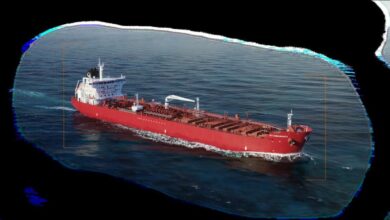
The figure of over USD 400,000 a day is particularly staggering, especially for Very Large Crude Carriers (VLCCs), which are the workhorses of long-haul crude oil transport from major exporting regions like the Arabian Gulf. This daily cost covers the vessel’s charter, excluding bunker fuel and port expenses, making it a pure reflection of the demand for the ship itself. Such high rates indicate that charterers are willing to pay a substantial premium to secure immediate transport for their crude oil shipments.
This current surge is not merely a statistical anomaly but a clear signal of acute tightness in the global oil tanker market. It suggests that shipowners hold considerable leverage, able to command exorbitant prices for their vessels due to a confluence of factors creating an urgent, immediate demand for maritime transport capacity for crude oil. The ripple effects of these elevated oil shipping costs are felt across the entire energy value chain, from producers to refiners and, ultimately, consumers worldwide.
Key Drivers Behind the Exponential Increase
Several interconnected factors contribute to the dramatic rise in oil cargo spot rates. Geopolitical tensions, particularly in critical maritime chokepoints, play a significant role. Recent conflicts and heightened security concerns in regions like the Red Sea have forced many vessels to reroute, opting for longer, safer passages around Africa instead of transiting through the Suez Canal. This extends voyage times, effectively reducing the available fleet capacity for new charters and driving up freight rates due to the increased demand for vessels covering longer distances.
Further compounding the issue are the decisions made by the Organization of the Petroleum Exporting Countries (OPEC+) and its allies. Changes in crude oil production levels directly influence the volume of oil cargoes needing transport. While production cuts can sometimes reduce overall demand for tankers, strategic decisions or sudden increases in output from certain regions can create localized surges in demand for specific vessel types, particularly for Middle Eastern crude, putting immense pressure on spot rates.
Global oil demand fluctuations also play a crucial role. Post-pandemic economic recovery has stimulated industrial activity and transportation, leading to an overall increase in global crude oil consumption. Seasonal demand peaks, such as those for heating oil in winter or gasoline in summer, can create temporary but intense requirements for additional oil shipping capacity. This increased consumption necessitates consistent and timely crude oil deliveries from major exporting hubs like the Gulf, further tightening the tanker market.
The availability and efficiency of the global tanker fleet are other critical determinants. The world’s aging fleet, coupled with limited new build orders in recent years, means that the supply of new VLCCs or Suezmax tankers is not rapidly expanding to meet sudden surges in demand. Furthermore, the implementation of stricter environmental regulations, such as the IMO 2023 carbon intensity indicator (CII) rules, encourages slower steaming speeds to reduce emissions, inadvertently diminishing the effective carrying capacity of the existing fleet. This combination of factors restricts the number of vessels available for immediate booking, pushing up oil tanker spot rates.
Port congestion and operational delays in key loading and discharge ports around the world exacerbate the issue of fleet availability. Whether due to infrastructure limitations, labor shortages, adverse weather conditions, or customs backlogs, vessels stuck awaiting berth or cargo take longer to complete their voyages. This ties up valuable shipping assets for extended periods, making them unavailable for new charters and further constricting the effective supply of maritime transport, directly contributing to the upward pressure on Gulf oil cargo rates.
Finally, arbitrage opportunities and strategic stockpiling by governments or major corporations can fuel demand in the spot market. Significant price differentials between regional crude oil markets incentivize traders to move large volumes of oil, leading to a scramble for available vessels. Similarly, nations building up strategic petroleum reserves or companies anticipating future market changes might book tankers speculatively, thereby tightening the near-term supply of vessels and pushing spot rates for oil cargoes even higher. This speculative element adds another layer of complexity and volatility to the tanker freight market.
Impact on Global Energy Markets and Supply Chains
The soaring oil tanker spot rates have profound implications for global energy markets. Primarily, higher shipping costs translate directly into increased delivered prices for crude oil, impacting refiners’ profit margins. These added expenses often trickle down to consumers in the form of higher prices at the fuel pump, contributing to inflationary pressures and affecting household budgets worldwide. The cost of maritime transport, therefore, becomes a significant component of the final energy price.
Furthermore, these elevated crude oil shipping costs can prompt shifts in global trade flows. Traders and charterers may explore alternative crude sources closer to their refineries or seek more efficient, albeit potentially longer, shipping routes to mitigate the financial burden. While the Middle East Gulf remains indispensable for a substantial portion of global crude supply, persistent high freight rates could encourage long-term strategic adjustments in sourcing and logistics, impacting traditional trade corridors and challenging energy security strategies.
Refineries heavily reliant on Middle Eastern crude may find their operational costs significantly higher, potentially forcing them to re-evaluate their crude purchasing strategies or absorb the additional expenses, which can impact their competitiveness. This financial strain can also affect the economic viability of certain refinery operations, especially those with tighter margins, creating a cascading effect across the petrochemical and manufacturing sectors dependent on affordable energy inputs.
The Volatile Nature of the Tanker Market
The tanker market has historically been characterized by its inherent volatility, with periods of extreme highs and lows in freight rates. This cyclical nature is a defining feature of crude oil shipping, driven by the fundamental supply-demand imbalance. A relatively small change in the demand for oil cargoes or the available fleet capacity can lead to disproportionately large swings in spot rates, as seen in previous market upturns fueled by geopolitical events or sudden economic shifts.
Unlike other commodities, the supply of new oil tankers cannot be rapidly adjusted to meet sudden increases in demand; it takes years to design, build, and deliver new vessels. This inelasticity in fleet supply means that any immediate surge in demand for maritime transport places immense pressure on existing resources, allowing shipowners to command premium prices. Conversely, a sharp downturn in demand can quickly flood the market with idle vessels, causing rates to plummet just as rapidly.
Future Outlook for Gulf Oil Cargo Rates
Looking ahead, the trajectory of Gulf oil cargo rates will heavily depend on the evolution of geopolitical events. Any de-escalation of tensions in key maritime areas could ease risk premiums and shorten voyage times, potentially bringing spot rates down. Conversely, further disruptions or expansions of conflicts could propel crude oil shipping costs even higher, sustaining the current elevated environment for the tanker market.
The health of the global economy also remains a critical determinant. Sustained economic growth will continue to drive demand for crude oil and, consequently, for oil tanker services. However, a significant global economic slowdown or recession could dampen energy demand, leading to a surplus of vessels and a subsequent softening of freight rates. Therefore, economic forecasts will be closely watched by all stakeholders in the maritime transport sector.
Furthermore, ongoing developments in fleet dynamics and regulatory landscapes will shape the future. The pace of new vessel deliveries, the rate of scrapping older ships, and the implementation of stricter environmental regulations will continue to influence effective fleet capacity. Compliance with new emissions standards may lead to further operational adjustments and potential capacity reductions, thereby impacting the delicate balance between supply and demand for oil shipping services.
Conclusion
The surge in spot rates for oil cargoes from the Gulf to well over USD 400,000 a day represents a significant moment in the global energy and shipping industries. It underscores the critical role of maritime transport in global energy security and highlights the complex interplay of geopolitical risks, fundamental supply-demand dynamics, and logistical challenges that define the modern tanker market. This unprecedented level of oil shipping costs impacts every participant in the crude oil supply chain.
Stakeholders, from oil producers and traders to refiners and policymakers, must remain agile and informed to navigate this highly volatile environment. The ongoing developments in global politics, economic indicators, and regulatory frameworks will continue to shape the future of Gulf oil cargo rates, making strategic planning and risk management more crucial than ever in ensuring the reliable and cost-effective delivery of crude oil worldwide. The dynamic nature of these oil tanker rates will undoubtedly keep the shipping world on alert.