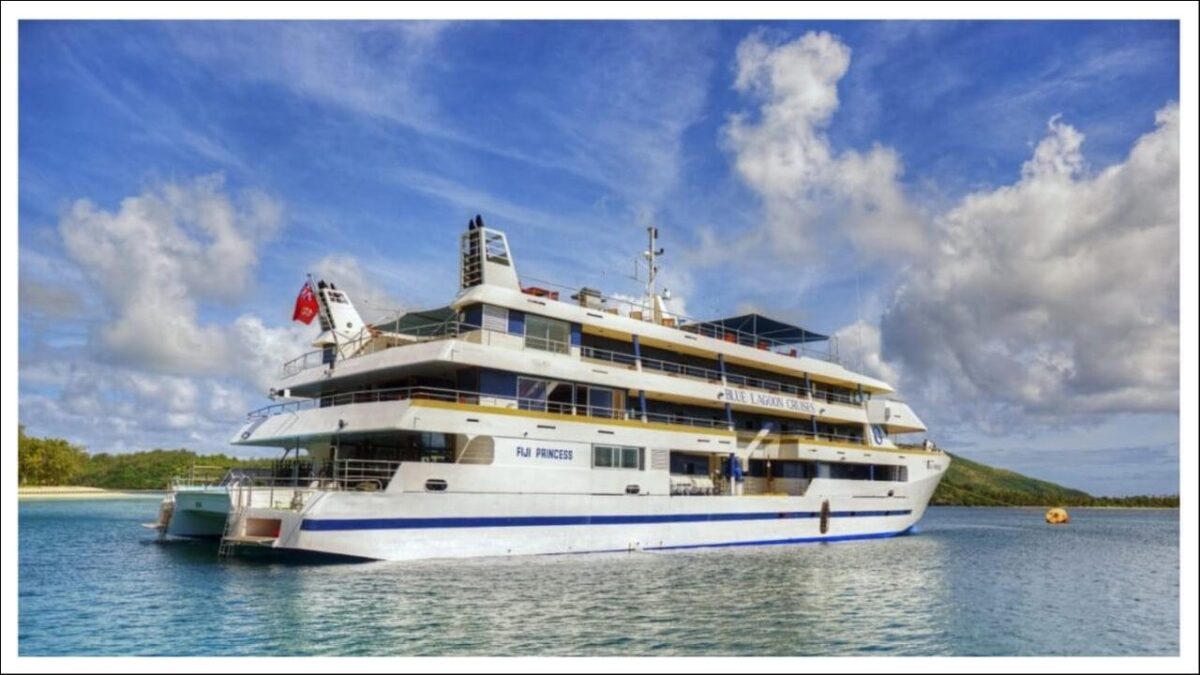
Grounded Fiji Cruise Ship Fuel Removal Operations | Mariner News
Urgent Response to a Grounded Cruise Ship in Fiji
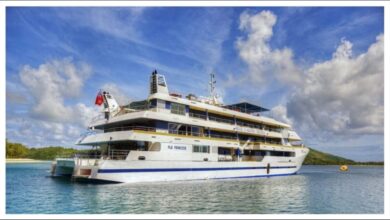
The pristine, turquoise waters surrounding Fiji, renowned globally for their unparalleled beauty and vibrant marine life, recently faced a significant ecological threat. The Fiji Princess, a prominent cruise ship, ran aground near the iconic Monuriki Island within the breathtaking Malolo Group. This unforeseen maritime incident immediately activated a sophisticated and rapid emergency response system, orchestrated by the Maritime Safety Authority of Fiji (MSAF). Their swift deployment and decisive actions focused on the critical operation of bunker fuel removal from the stranded vessel. This paramount undertaking was meticulously designed to avert a potentially devastating environmental catastrophe that could have irrevocably damaged one of the world’s most cherished marine ecosystems and severely impacted Fiji’s vital tourism sector.
The grounding of the Fiji Princess instantly escalated to a top-tier emergency, compelling the MSAF to activate its comprehensive maritime incident management plan. The overriding objective was unequivocally clear: to secure the vessel’s integrity and, most critically, to prevent any leakage of hazardous bunker fuel, a dense and persistent pollutant. This incident starkly highlights the inherent, unpredictable risks associated with even routine maritime operations, especially within ecologically sensitive areas. It serves as a potent reminder of the continuous, urgent need for robust preparedness strategies, including readily available resources and the rapid deployment of expert personnel. The successful execution of this initial, crucial phase brought a profound collective sigh of relief, emphatically demonstrating Fiji’s unwavering commitment to safeguarding its invaluable natural heritage for future generations.
This prompt and effective intervention stands as an exemplary case of how a well-exercised maritime emergency response can dramatically mitigate the most severe outcomes of unexpected vessel groundings. The immediate and unwavering focus on containing and systematically removing potential pollutants, such as the heavy fuel oil used to power large marine engines, is always the absolute priority in such precarious scenarios. The MSAF, operating with exemplary diligence and precision, ensured that these critical first steps were executed with an unparalleled sense of urgency and accuracy, laying a solid foundation for subsequent phases of salvage and long-term environmental rehabilitation.
The Critical Operation: Safeguarding Fiji’s Marine Ecosystem
At the core of Fiji’s initial emergency response lay the intricate and highly sensitive task of meticulously extracting the substantial volume of fuel contained within the Fiji Princess. On a Monday marked by intense operational activity, an estimated 23,000 litres of bunker fuel were successfully and safely siphoned off the grounded cruise ship. This significant quantity of fuel, had it been inadvertently released into the delicate marine environment, would have presented an immediate and existential threat to the vibrant coral reefs, myriad fish populations, and broader oceanic biodiversity that flourishes around Monuriki Island and the wider Malolo Group. This area, globally celebrated for its unparalleled pristine condition and immense popularity among discerning tourists, simply could not afford such a catastrophic impact.
The seamless execution of this critical fuel transfer operation necessitated a sophisticated array of specialized equipment, coupled with the precise expertise of highly trained personnel, unequivocally illustrating the profound logistical complexities inherent in high-stakes maritime recovery operations. A dedicated salvage support vessel played an instrumental role, expertly maneuvering alongside the distressed cruise ship to facilitate the safe and secure offloading of the volatile fuel. This intricate process demanded an extraordinary degree of meticulous planning, flawless coordination, and precise execution to ensure that absolutely no spills occurred during the transfer, further accentuating the incredibly high environmental stakes involved in protecting Fiji’s irreplaceable natural assets from an accidental oil spill.
As an additional layer of comprehensive preparedness and unwavering caution, despite the resounding success of the initial fuel removal, robust oil spill response booms were strategically deployed and vigilantly maintained around the perimeter of the Fiji Princess. These specialized barriers serve as an indispensable, active safeguard, poised to contain any unforeseen residual leakage or unexpected environmental developments as the vessel awaits its full and eventual recovery. This multi-layered and exceptionally thorough approach unequivocally underscores the MSAF’s profound commitment, not only to immediate crisis management but also to enduring vigilance, continuous monitoring, and long-term environmental protection. The sustained presence of these crucial booms signals an unwavering dedication to preserving the ecological integrity of the surrounding, invaluable waters.
Preventing Ecological Disaster: The Importance of Swift Action
The potential for catastrophic environmental impact stemming from a substantial fuel spill originating from a vessel of the Fiji Princess’s considerable size, particularly in a profoundly sensitive ecological area such as Monuriki Island, cannot be overstated. Fiji’s iconic islands are intricately cradled by vast, breathtakingly beautiful, and incredibly complex coral reef systems. These reefs are not merely stunning visual spectacles; they serve as absolutely critical habitats for countless marine species and provide vital natural coastal protection. An oil spill would inflict immediate and profound damage: coating and suffocating delicate corals, poisoning fish populations, and contaminating pristine shorelines, leading to an irreversible, long-term ecological degradation that could realistically take many decades to fully recover, if ever.
The Malolo Group, where Monuriki Island is located, stands as a prime, globally recognized example of a truly pristine marine environment. Its natural allure attracts discerning tourists from every corner of the globe, making its meticulous preservation an imperative that is equally economic as it is ecological. The region is justly celebrated for its crystal-clear waters, astonishingly diverse marine life, and idyllic beaches – all of which would be profoundly compromised by the introduction of even a relatively small quantity of bunker fuel. Consequently, the MSAF’s exemplary swift action in prioritizing and executing the bunker fuel removal was not merely an operational triumph; it was, more significantly, a monumental act of environmental stewardship, profoundly safeguarding the future viability of these invaluable natural resources and the intricate web of livelihoods dependent upon them.
Historical accounts of major marine oil spills around the globe provide chilling and unequivocal evidence of the devastating, long-term consequences that invariably arise from delayed or inadequate emergency responses. The pervasive damage extends far beyond the immediate pollution; it insidiously impacts entire marine food chains, critically disrupts delicate breeding cycles, and leaves enduring, painful scars on coastal communities whose very existence is intrinsically linked to fishing and tourism. By acting with such commendable promptness and decisive efficiency to prevent a major fuel release, Fiji has not only established an exemplary standard for marine emergency preparedness but has also eloquently demonstrated a profound, nuanced understanding of the intricate and inseparable interconnectedness between robust environmental health and sustainable economic prosperity.
Crew Safety and Vessel Salvage: Beyond Fuel Removal
While the immediate and overarching environmental concern centered intensely on the successful bunker fuel removal from the Fiji Princess, the paramount importance of ensuring the safety and well-being of the entire crew aboard the vessel remained an unwavering top priority. In the immediate aftermath of the grounding incident, every single crew member was meticulously and safely transferred from the distressed vessel. This critical operation saw them moved first to the Fiji Princess’s sister ship, the Cougar, and subsequently transported securely to the strategic hub of Port Denarau. This exceptionally efficient and well-coordinated evacuation process vividly underscores the rigorous adherence to stringent safety protocols fundamental in maritime emergencies, unequivocally affirming that human welfare remains paramount amidst the myriad of formidable technical and logistical challenges inherent in managing a grounded vessel situation.
With all crew members safely accounted for and securely ashore, and the immediate environmental threat of a catastrophic fuel spillage having been significantly mitigated, the focus of the ongoing maritime operation now shifts decisively towards the intricate, demanding, and often protracted task of salvaging the Fiji Princess itself. The Maritime Safety Authority of Fiji has officially communicated that the more extensive work required to fully recover the vessel will only commence once the prevailing weather patterns and sea conditions in the area show significant and sustained improvement. Salvage operations, particularly for a vessel of the Fiji Princess’s substantial size and complexity, are inherently challenging endeavors. They necessitate the deployment of highly specialized heavy equipment, the profound expertise of seasoned maritime salvage professionals, and an extraordinarily high degree of meticulous coordination, often performed under the most unpredictable and unforgiving marine conditions.
The Fiji Princess is proudly operated by Blue Lagoon Cruises, a widely recognized and highly respected entity within Fiji’s vibrant tourism sector. The company will undoubtedly be engaging in close, collaborative efforts with leading salvage experts and the relevant regulatory bodies to meticulously develop and precisely execute a comprehensive, multi-phase plan for the vessel’s complete recovery. This subsequent and complex phase will encompass a thorough assessment of any structural damage sustained by the ship, a critical operation to stabilize the vessel’s integrity, and the intricate process of carefully refloating it or, if deemed necessary, physically removing it from its current grounded position. The entire continuum of this incident, from the initial grounding through to the eventual full recovery, represents a multifaceted interplay of advanced marine engineering, complex logistical planning, and stringent environmental considerations, all meticulously overseen by the vigilant MSAF, whose unwavering dual focus remains firmly on upholding both paramount safety standards and comprehensive environmental protection throughout every stage of the ongoing operation.
Lessons Learned and Future Preparedness in Maritime Safety
The recent incident involving the grounding of the Fiji Princess serves as an exceptionally powerful and instructive case study, offering invaluable insights into the critical domains of maritime safety and emergency response. Its implications extend far beyond the immediate geographical confines of Fiji, providing profound lessons for the global shipping and international cruise industry at large. The resounding success of the bunker fuel removal operation unequivocally underscores the vital, irreplaceable importance of establishing and maintaining exceptionally robust emergency response plans. These plans must be complemented by a cadre of exceptionally well-trained personnel and supported by readily available, state-of-the-art resources specifically designed to respond effectively and rapidly to vessel groundings and the ever-present threat of potential oil spills. It stands as a compelling testament that with astute foresight, rigorous planning, and unequivocally rapid, decisive action, genuinely significant and long-lasting environmental damage can be averted, even when confronting the most challenging and unpredictable marine circumstances.
Fiji’s Maritime Safety Authority (MSAF) has demonstrably showcased its formidable capabilities in expertly managing a highly complex and sensitive maritime incident, thereby profoundly reaffirming its crucial role as a vigilant and proactive guardian of the nation’s pristine and economically vital waters. The agency’s meticulously coordinated efforts, encompassing everything from the immediate and thorough initial assessment, through to the precise and successful fuel extraction, and continuing with the ongoing, diligent environmental monitoring, collectively provide invaluable insights and establish exemplary best practices for effective marine incident management. Such critical events serve as powerful reinforcement for the urgent need for continuous and substantial investment in upgrading maritime infrastructure, developing and implementing advanced training programs, and fostering robust international collaboration. These synergistic efforts are essential to significantly enhance overall preparedness capabilities across all coastal nations, particularly those, like Fiji, that are profoundly and intrinsically reliant upon healthy marine ecosystems for both their flourishing tourism economies and the fundamental livelihoods of their citizens.
Beyond the immediate and pressing concerns of the crisis itself, this incident naturally catalyzes a broader and critically important discussion encompassing various facets of maritime operations. This includes the imperative for enhanced navigational safety protocols, the meticulous optimization of route planning, and the absolute necessity for rigorous and regular maintenance schedules for all vessels, especially those operating within particularly sensitive and ecologically fragile marine areas. Cruise ship operators, such as Blue Lagoon Cruises, are starkly reminded of the immense and multifaceted responsibility they bear – a responsibility that extends far beyond merely ensuring the safety and comfort of their passengers and crew. It unequivocally includes the profound imperative of actively protecting and preserving the delicate natural environments through which their vessels traverse. This unwavering commitment to robust ocean protection and the promotion of genuinely sustainable tourism demands constant vigilance, agile adaptation to evolving challenges, and a decidedly proactive approach to comprehensive risk management, ensuring that the breathtaking beauty and ecological richness of destinations like Fiji can be cherished, experienced, and enjoyed by countless generations to come. This ongoing commitment drives the global maritime transport industry to continually evolve, placing a strong and unwavering emphasis on environmental stewardship, accident prevention, and the safeguarding of our collective, invaluable marine heritage.