Green Hydrogen for Net Zero: Decade’s Fuel Choices | Mariner News
The ambitious global target of achieving net zero by 2050 looms large, presenting humanity with its most significant environmental and economic challenge. While the ultimate feasibility of this goal is a subject of ongoing debate, one truth remains undeniable: the critical fuel choices made within this current decade will definitively shape our chances of success. Central to this monumental undertaking is the scalable adoption of green hydrogen and its derivatives, particularly for hard-to-abate sectors like maritime shipping, heavy industry, and aviation.
The discussion surrounding green hydrogen’s role has traversed a journey from initial hype to a period of skepticism, now settling into a pragmatic consensus. Experts largely agree that for sectors where direct electrification is impractical or impossible, green hydrogen offers a vital pathway to deep decarbonization. However, a significant hurdle persists: the coordination problem. Despite the clear need, robust demand for green hydrogen awaits consistent, large-scale supply, while potential suppliers hesitate to invest without guaranteed buyers. This creates an ‘ouroboros’ paradox, stalling progress and threatening the timeline for emissions reduction.
The Critical Crossroads for Decarbonization Efforts
Reaching net zero by 2050 demands an unprecedented transformation of global energy systems. The window for action is rapidly closing, emphasizing the urgency of decisions made today regarding fuel infrastructure and investment. Global emissions continue their upward trajectory, signaling that theoretical debates must transition into concrete strategies and actionable deployments of clean energy solutions. This decade is not just about planning; it is about pivotal implementation.
Without a clear, coordinated strategy, the transition risks being fragmented and inefficient. The sheer scale of the energy transformation required means that individual sectors cannot operate in silos. An integrated approach, where demand signals are clear and supply chains are robustly developed, is paramount. This strategic alignment is what will differentiate a successful net zero trajectory from a series of missed opportunities, ensuring that the necessary infrastructure for sustainable fuels like green hydrogen is built and utilized effectively.
Green hydrogen, produced through electrolysis powered by renewable energy, promises a versatile and emissions-free energy carrier. Its potential applications span electricity generation, industrial processes, and transportation. However, moving from concept to widespread reality requires overcoming significant economic and logistical challenges. The high cost of production, storage, and distribution currently acts as a barrier, making cross-sector collaboration essential to drive down costs through economies of scale and shared infrastructure.
Shipping’s Proactive Stance: Technology Outpaces Fuel Supply
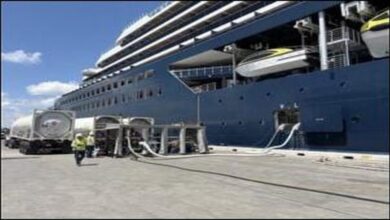
The maritime shipping industry provides a compelling case study of this challenge. Recognizing its immense contribution to global emissions and the impending regulatory pressures, the sector has shown remarkable foresight and initiative. Shipowners and operators have invested heavily in cutting-edge vessel technology, with a growing number of dual-fuel ships now setting sail. These innovative vessels are engineered to run on both conventional fossil fuels and alternative, synthetic fuels such as ammonia or methanol, which can be derived from green hydrogen.
These advanced engines are designed for maximum fuel efficiency, initially reducing emissions from traditional bunkers and, crucially, optimized to make the most efficient use of more expensive synthetic fuels in the future. This technological leap demonstrates the industry’s commitment to decarbonization and its readiness to adopt sustainable marine fuels. However, this impressive technological progress on the vessel front contrasts sharply with the lagging development of the necessary fuel supply infrastructure. The ships are ready, but the green fuel to power them at scale remains largely elusive.
This disparity creates a critical bottleneck. Without a reliable and affordable supply of green ammonia or green methanol, the environmental benefits of these advanced ships cannot be fully realized. The industry’s proactive investment in shipbuilding risks being undermined if the parallel investment in green fuel production and bunkering infrastructure does not accelerate commensurately. Bridging this gap is not just an environmental imperative; it is an economic necessity for the future of global trade and sustainable maritime operations.
Unlocking Green Hydrogen: Bridging the Supply-Demand Gap
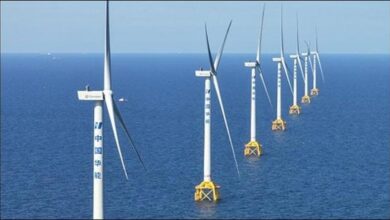
The task of establishing a robust green hydrogen economy is monumental. It requires a massive undertaking spanning the entire value chain: from deploying vast amounts of renewable energy capacity (solar, wind) to power the electrolysis process, to constructing electrolysis plants, synthesis facilities for converting hydrogen into ammonia or methanol, and developing extensive storage solutions, pipelines, and port bunkering infrastructure. The initial investment required for this transformation is staggering.
Estimates suggest that to achieve net zero by 2050, shipping alone will require 100 to 150 million tons of green hydrogen annually as feedstock, even with maximum efficiency improvements across the sector. When accounting for all hard-to-abate sectors—including heavy transport, aviation, and industrial processes like steel and cement production—the annual demand for green hydrogen and its derivatives could reach 500 to 600 million tons. The financial commitment to meet this demand is projected to be in the order of $9 trillion globally.
This colossal investment cannot be borne by individual sectors or companies alone. It necessitates a coordinated, cross-industry approach. The current ‘demand waits for supply, supply waits for demand’ impasse is a direct consequence of this lack of coordination. Potential investors in green hydrogen production facilities are hesitant without long-term off-take agreements, while industries requiring these fuels cannot commit to expensive new technologies without assurance of supply stability and competitive pricing. Overcoming this coordination problem is the single most critical factor in unlocking the green hydrogen economy.
Strategic Pathways to Scalable Green Fuel Production
Breaking the green hydrogen deadlock requires strategic intervention and collaborative action. One of the most effective strategies is the pooling of demand across multiple sectors. If shipping, aviation, heavy industry, and energy utilities can collectively signal their long-term demand for green hydrogen and its derivatives, it creates the necessary market certainty for producers to invest in large-scale facilities. This aggregated demand reduces perceived risk and makes financing viable.
Governments and international bodies also have a crucial role to play in fostering an enabling environment. This includes implementing supportive policy frameworks, such as carbon pricing mechanisms that make fossil fuels more expensive and thus green alternatives more competitive. Furthermore, offering subsidies, tax incentives, and robust regulatory certainty can de-risk early-stage investments in green hydrogen projects. Off-take agreements, facilitated or guaranteed by public-private partnerships, are vital for securing financing for production facilities.
Developing ‘green corridors’—specific shipping routes or industrial clusters where the infrastructure for producing, storing, and bunkering green fuels is concentrated—can serve as pilot projects and catalysts for wider adoption. These corridors allow for concentrated investment, proving the viability of the entire supply chain and demonstrating operational efficiency. Such initiatives can create virtuous cycles, attracting further investment and accelerating the learning curve for sustainable fuel deployment, fostering global hubs of clean energy production.
Economic Benefits and Energy Security in the Green Transition
The transition to a green hydrogen economy is not merely an environmental undertaking; it presents profound economic opportunities and significantly enhances energy security. Developing vast renewable energy infrastructure, building electrolysis plants, and establishing new supply chains will create millions of green jobs across various sectors, from engineering and manufacturing to logistics and operations. It will spur innovation, drive technological advancements, and position nations at the forefront of the clean energy revolution.
Furthermore, by reducing reliance on volatile fossil fuel markets, nations can achieve greater energy independence and stability. Investing in domestic renewable energy sources and green hydrogen production capacity protects economies from geopolitical shocks and price fluctuations that have historically impacted energy costs. This strategic shift strengthens national resilience and provides a predictable energy future, essential for long-term economic planning and industrial competitiveness.
Beyond direct economic gains, mitigating climate change through deep decarbonization avoids the catastrophic costs associated with extreme weather events, sea-level rise, and ecosystem collapse. The investment in green hydrogen infrastructure today is an investment in a stable climate, safeguarding future generations and critical global supply chains. It represents a proactive approach to managing environmental risks that could otherwise destabilize economies and societies worldwide. The synergy between economic growth and environmental stewardship is clear, offering a pathway to sustainable prosperity.
The Decisive Decade for Net Zero Ambitions
The path to net zero by 2050 is undeniably steep, but it is achievable if we act decisively in this pivotal decade. The choices we make now regarding our fuel sources, our investment strategies, and our commitment to cross-industry collaboration will determine whether the net zero target remains an aspiration or becomes a reality. Green hydrogen is not a silver bullet, but it is an indispensable tool, especially for the hard-to-abate sectors that drive global commerce and industry.
The shipping industry has demonstrated its readiness on the technology front; now, the focus must shift aggressively to scaling up green fuel production. Governments, industry leaders, and financial institutions must converge to resolve the coordination problem, channeling the necessary capital and policy support to build the green hydrogen economy. The opportunity is immense, not only to decarbonize our industries but to build a more resilient, secure, and prosperous future. The time for deliberation is over; the time for decisive fuel choices is now.