Greek Oil Tanker Exits Hormuz Amid Iran Blockade | Mariner News
The critical waterways of the Middle East remain a focal point for global energy security, and recent events highlight the persistent challenges faced by international shipping. In a significant development, another Greek oil tanker has successfully traversed the volatile Strait of Hormuz, despite ongoing tensions and Iran’s declared blockade against what it terms “hostile” entities. This incident underscores the intricate dance between geopolitics, naval strategy, and the relentless demands of the global oil market.
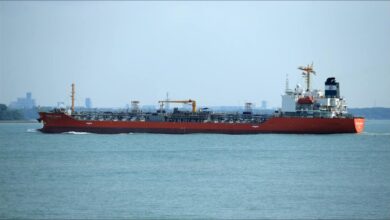
The vessel, identified as the Suezmax Pola, managed by Dynacom Tankers Management Ltd., completed its journey through this vital oil chokepoint, marking the fourth such transit by a Dynacom-managed tanker since regional hostilities intensified. The Pola’s successful passage, initially shrouded in mystery due to its tracking system being switched off in the Persian Gulf, was confirmed by its reappearance in the eastern Indian Ocean. This event provides a crucial glimpse into the strategies employed by shipping companies to navigate an increasingly complex maritime landscape, balancing commercial imperatives with severe security risks. The global community watches closely, as every successful transit through the Strait of Hormuz contributes to the delicate stability of oil supply chains and international trade.
The Strait of Hormuz: A Vital Global Oil Chokepoint
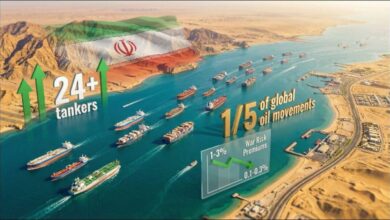
The Strait of Hormuz is arguably the most strategically important maritime corridor in the world, linking the oil-rich Persian Gulf with the Arabian Sea and beyond. Approximately one-fifth of the world’s total petroleum consumption, and a third of the world’s seaborne oil, passes through this narrow waterway. This includes crude oil, refined petroleum products, and liquefied natural gas (LNG) from major producers like Saudi Arabia, Iran, UAE, Kuwait, and Qatar. Its geographical significance alone makes it a perennial flashpoint for international disputes and geopolitical maneuvering. Any disruption, however minor, sends ripples throughout the global energy markets, impacting everything from oil prices to insurance premiums for oil tankers.
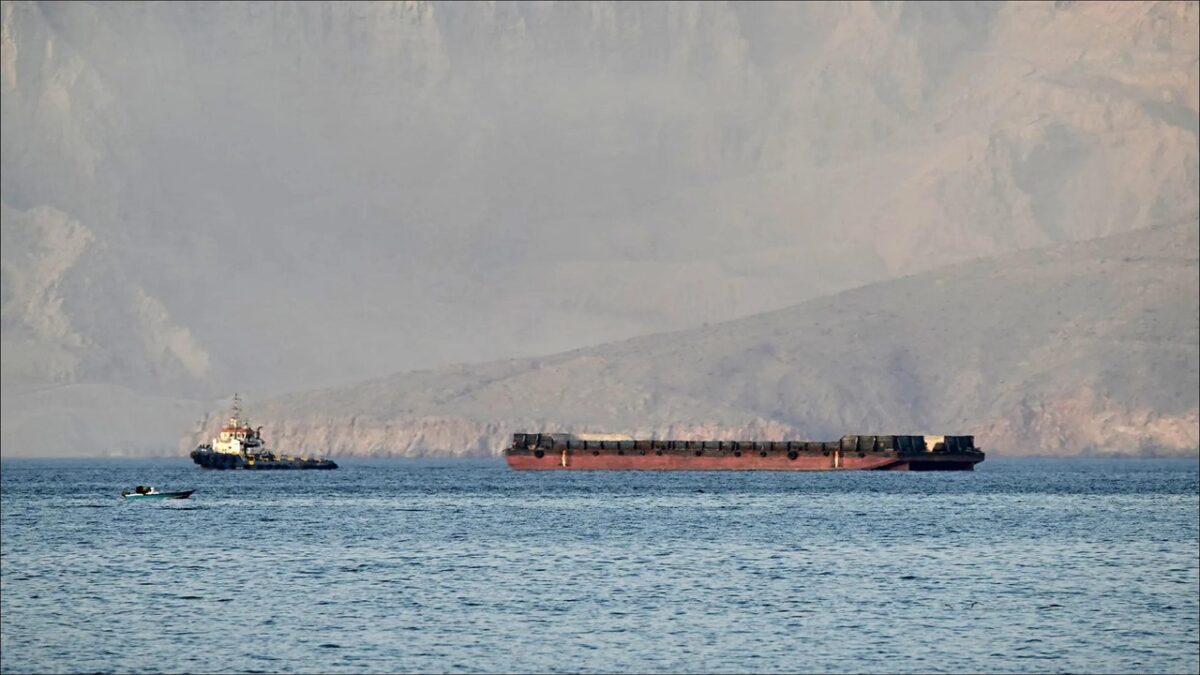
The strait is only 21 nautical miles (39 km) wide at its narrowest point, with the shipping lanes for inbound and outbound vessels each just two miles wide. These lanes are separated by a two-mile-wide buffer zone, making safe transit a precise and challenging endeavor even under normal circumstances. The sheer volume of traffic, combined with the presence of both commercial and naval vessels from various nations, creates a complex environment. Historically, the strait has been a stage for numerous conflicts and confrontations, particularly involving Iran, which controls its northern coast. Its strategic value cannot be overstated, influencing everything from regional power dynamics to global economic stability. The continuous flow of crude oil and other commodities through Hormuz is essential for the economic well-being of many nations, making its security a paramount international concern.
Navigating Geopolitical Tensions: The Pola’s Intriguing Journey
The journey of the Suezmax Pola through the Strait of Hormuz is a testament to the high stakes and complex risk assessments involved in modern maritime operations. The tanker, laden with approximately 1 million barrels of crude, had its Automatic Identification System (AIS) transponder switched off on March 10 while in the Persian Gulf. This move, often undertaken to mask a vessel’s location and intentions, can be a tactic to evade surveillance or reduce perceived risk in hazardous areas. For nearly two weeks, the Pola’s whereabouts were unknown to public tracking systems, raising concerns among maritime intelligence agencies and shipping news outlets.
Its reappearance, detected by vessel tracking data compiled by Bloomberg, showed the ship in the eastern Indian Ocean near a maritime corridor off Indonesia’s Sumatra island. This confirmed that the Pola had successfully traversed the Strait of Hormuz, navigating a region that has seen sharply reduced commercial traffic since the United States and Israel heightened hostilities with Iran. The successful transit of the Pola, a Greek-controlled oil tanker, highlights the continued determination of shipping companies to maintain vital supply lines, even in the face of significant maritime security threats. It also raises questions about the specific arrangements or factors that allowed this particular vessel to pass where others might face restrictions or seizure.
Iran’s Stance and Bilateral Shipping Agreements
Iran’s policy regarding the Strait of Hormuz has been consistently clear: it asserts its right to control passage through its territorial waters and has frequently threatened to close the strait in response to international pressure or sanctions. Its current stance involves barring “hostile” entities from the strategic waterway, a broadly defined category that can encompass vessels linked to nations perceived as adversaries. This has led to an unpredictable environment for many shipping companies, as the definition of “hostile” can shift with political tides. The direct implications for shipping companies operating oil tankers in the region are significant, ranging from increased insurance costs to the constant threat of seizure or harassment.
However, the successful passage of the Pola, en route to Thailand, suggests that not all traffic is equally affected. Intelligence firm Kpler noted that several Asian countries, including Thailand, have secured bilateral agreements with Iran to allow passage through the Strait for some tankers and cargo ships. These agreements are crucial diplomatic tools, enabling certain nations to maintain their energy supply chains despite broader regional conflicts. They underscore the complex web of international relations and economic dependencies that govern transit through critical chokepoints. For nations heavily reliant on Middle East oil imports, such arrangements are vital for ensuring continued access to global energy markets and mitigating the risk of supply disruptions.
Broader Implications for Global Oil Markets and Shipping
The ongoing tensions in the Strait of Hormuz, exacerbated by Iran’s blockade rhetoric and actions, have profound implications for global oil markets and the wider shipping industry. Any perceived threat to the flow of oil through Hormuz can trigger immediate spikes in crude oil prices, as traders factor in the risk of supply disruptions. This volatility directly impacts consumers worldwide through higher fuel costs and broader economic instability. Furthermore, maritime insurance premiums for vessels operating in the Persian Gulf have soared, making it more expensive to transport goods through the region. This increased operational cost is eventually passed on to consumers, contributing to inflationary pressures globally.
Beyond immediate price fluctuations, the long-term impact includes a potential shift in shipping routes. While the Strait of Hormuz remains indispensable for now, repeated security incidents could accelerate efforts to develop alternative pipelines or bypass routes, though these are often costly and politically complex. The reliance on this single chokepoint creates a strategic vulnerability that major oil-importing nations are keen to address. The incident with the Pola, while successful, reminds stakeholders of the inherent risks and the urgent need for stable and secure maritime corridors. The global energy landscape is intricately linked to the security of these routes, and any disruption can have cascading effects on economies and international relations.
The Future of Maritime Security in the Persian Gulf
The future of maritime security in the Persian Gulf remains uncertain, shaped by evolving geopolitical dynamics and the actions of regional and international powers. The successful transit of the Greek oil tanker Pola offers a glimmer of hope that commercial shipping can continue, albeit under significant duress and through specific arrangements. However, the underlying tensions persist, and the potential for escalation remains a constant concern for the shipping industry. The involvement of international naval forces, increased surveillance, and diplomatic efforts are all crucial elements in maintaining a semblance of order in this vital region.
Moving forward, there will likely be increased emphasis on technology, such as advanced vessel tracking and communication systems, to enhance transparency and safety. The role of international organizations and forums in mediating disputes and ensuring adherence to maritime law will also be paramount. For oil tankers and other commercial vessels, navigating this complex environment will require meticulous planning, robust security protocols, and a keen awareness of geopolitical shifts. The enduring strategic importance of the Strait of Hormuz means that its security will continue to be a top priority for global energy security and international trade, demanding constant vigilance and adaptive strategies from all stakeholders in the maritime domain.
In conclusion, the successful passage of another Greek oil tanker through the Strait of Hormuz, despite Iran’s blockade, is a testament to the resilience of global shipping news and the intricate diplomatic efforts at play. It highlights the delicate balance between maintaining vital energy flows and navigating a volatile geopolitical landscape. As the world continues its reliance on Middle East crude oil, the security and accessibility of this pivotal waterway will remain a critical measure of regional stability and global economic health.