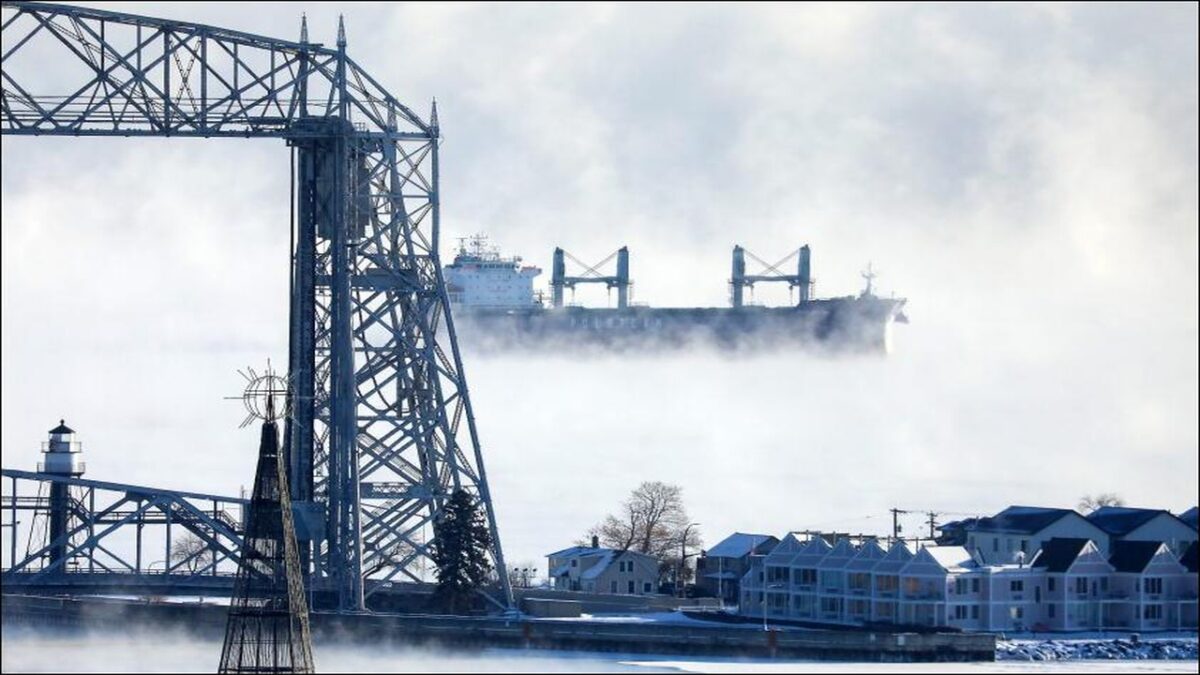
Great Lakes Shipping Slowed by Ice: Lake Superior Delays | Mariner News
The eagerly anticipated start of the 2026 Great Lakes shipping season has been significantly hampered by persistent and formidable ice conditions, particularly across the upper reaches of Lake Superior. While the iconic Soo Locks at Sault Ste. Marie, Michigan, officially reopened on March 25, marking the traditional resumption of commercial vessel traffic, vast stretches of the vital waterway remain impassable. This challenging scenario has led to a frustrating standstill for numerous maritime commerce vessels, underscoring the profound impact severe winter weather can have on this critical inland marine transport system and posing substantial economic threats to key industries relying on the timely movement of bulk cargo throughout the Great Lakes region.
Unprecedented Ice Conditions Cripple Early Season Navigation
The primary impediment to Great Lakes shipping remains the formidable ice cover that blankets substantial portions of Lake Superior, particularly in critical areas like Whitefish Bay. Reports from the Lake Carriers Association indicate that this crucial passage, situated just west of the Soo Locks, is still buried under two feet of thick ice. Exacerbating the challenge for commercial vessels, a late-season blizzard in early March deposited an additional three feet of snow on top of this already deep ice layer, creating an almost impenetrable barrier for even the most robust lake freighters. This dangerous combination of dense ice and heavy snow accumulation makes navigation exceptionally difficult, if not impossible, leading to significant delays for dozens of vessels attempting to traverse these vital maritime routes.
NOAA spokesperson Brian Howell confirmed that ice coverage on Lake Superior peaked above normal this winter, reaching an astonishing 60 percent. Even at the end of March, overall ice coverage on the broader Great Lakes system remained stubbornly high at 24 percent, well above historical averages. A critical factor is the continued refreezing that occurs overnight, preventing any significant natural melt and perpetuating the icy grip on the waterway. These unusual and persistent cold weather patterns are directly contributing to the paralysis of early-season marine transport, impacting everything from raw material delivery to finished product distribution. The struggle against these overwhelming natural forces highlights the vulnerability of the supply chain to extreme environmental conditions.
The Critical Role of the Soo Locks and Bottlenecks
The reopening of the Soo Locks is traditionally a celebrated event, signaling the full resurgence of economic activity for the Great Lakes shipping community. These locks are the sole passage for vessels traveling between Lake Superior and the lower Great Lakes, making them indispensable for maritime commerce connecting industrial hubs like Duluth and Thunder Bay with the rest of the world. Their annual closure for essential maintenance ensures readiness for a seamless restart of navigation. However, the current situation demonstrates that even with the locks operational, the wider environmental context can render their functionality moot, hindering the essential movement of goods.
This year’s scenario is a testament to nature’s power; while ships can theoretically pass through Sault Ste. Marie, the conditions immediately beyond the locks create an insurmountable barrier. Whitefish Bay, acting as a critical bottleneck, remains choked with thick ice, effectively stranding commercial vessels and negating the benefit of the open locks. The Lake Carriers Association has reported that a dozen or more ships have already become stuck, unable to make progress through the frozen expanse. This creates an economic paradox: the infrastructure is ready, but the natural waterway is not, leading to a profound disruption in the marine transport network and challenging the very foundations of the region’s early-season trade. The inability to move bulk cargo through this crucial passage reverberates throughout the entire logistical chain, delaying vital shipments.
Economic Repercussions for Key Industries
The prolonged delays in Great Lakes shipping due to the severe ice conditions are creating significant economic fallout, particularly for industries heavily reliant on timely marine transport of bulk cargo. The Lake Carriers Association has voiced grave concerns, emphasizing the critical situation facing steel mills across the region. These mills depend on a steady influx of raw materials, primarily iron ore, which is predominantly transported via lake freighters through Lake Superior. When these commercial vessels are stranded or significantly delayed, it directly disrupts production schedules, leads to inventory shortages, and ultimately impacts profitability.
Beyond the steel industry, other sectors such as agriculture (grain exports) and mining (taconite pellets, coal) are also feeling the pinch. The inability to move goods efficiently along the maritime routes of the Great Lakes causes ripple effects throughout the entire supply chain. Businesses face increased operational costs due to idle ships and crews, potential penalties for delayed deliveries, and the desperate search for alternative, often more expensive, transportation methods. The economic vitality of port cities like Duluth and Thunder Bay, which thrive on the bustling activity of commercial vessels, is directly threatened by these prolonged periods of limited navigation. This intricate web of interconnected industries highlights the vital, yet often overlooked, role of Great Lakes shipping in supporting the North American economy, exacerbating logistical challenges and threatening the seasonal economic boom.
The Persistent Challenge of Icebreaking Capacity
One of the most pressing issues highlighted by the current crisis in Great Lakes shipping is the perceived shortage of adequate icebreaker capacity. Industry stakeholders, including the Lake Carriers Association, are sounding a cautionary tale, arguing that insufficient icebreaking resources are compounding an already difficult situation caused by unusually heavy ice. While the United States Coast Guard (USCG) and Canadian Coast Guard (CCG) operate icebreaking vessels on the Great Lakes, the sheer volume and thickness of the ice this season have stretched these resources thin, leading to slow progress in clearing critical maritime routes.
The task of breaking through two feet of ice, often topped by three feet of snow, is a labor-intensive and time-consuming endeavor. When multiple commercial vessels are stranded simultaneously, the demand for icebreaker assistance quickly outstrips availability, leading to long queues and extended waiting periods. This situation reignites calls for greater investment in icebreaking capabilities, with proponents arguing that the economic significance of Great Lakes shipping warrants a more robust fleet. A well-resourced icebreaker fleet is not just a matter of convenience; it is an essential component of ensuring the reliability and resilience of marine transport in the face of increasingly unpredictable winter weather patterns, directly supporting the movement of bulk cargo and fostering economic stability in the region. Without sufficient capacity, the annual reopening of the Soo Locks can become a symbolic gesture rather than a practical restart for maritime commerce.
Navigating Future Winters: Preparedness and Adaptation
The challenging start to the 2026 Great Lakes shipping season serves as a stark reminder of the need for enhanced preparedness and adaptation strategies in the face of variable and sometimes extreme winter weather. While climate change discussions often focus on warming trends, specific regions can still experience periods of intense cold and heavy ice, demonstrating the complexity of meteorological patterns. For the Great Lakes region, this implies a need for sustained vigilance and proactive measures to mitigate future disruptions to maritime commerce. Investing in advanced forecasting technologies, potentially coupled with enhanced satellite monitoring of ice coverage, could provide earlier and more precise warnings for commercial vessels and port authorities.
Furthermore, discussions around modernizing and expanding the icebreaker fleet should be prioritized, with a focus on vessels capable of efficiently tackling severe ice and snow conditions. This strategic investment in infrastructure would not only alleviate immediate transit issues but also bolster the long-term resilience of the marine transport system. Port operators and shipping companies may also need to consider more flexible operational schedules or explore technological advancements in hull designs and propulsion systems that enhance ice-going capabilities. The goal is to minimize the economic impact of unavoidable natural phenomena, ensuring that the vital flow of bulk cargo and other goods through the Soo Locks and across Lake Superior remains as uninterrupted as possible, safeguarding the economic backbone of the region. This proactive approach is essential for the future of Great Lakes shipping.
As the 2026 Great Lakes shipping season grudgingly gets underway, the pervasive and unusual ice conditions, particularly on Lake Superior and within Whitefish Bay, present a significant and costly challenge. Despite the crucial Soo Locks being operational, the inability of commercial vessels to navigate through the thick ice is creating substantial economic pressure on industries from steel mills to agriculture. The situation underscores the urgent need for a comprehensive evaluation of icebreaker capabilities and broader strategic planning for climate resilience within the maritime commerce sector. For the Great Lakes region, the timely movement of bulk cargo is not merely a logistical detail but a fundamental pillar of its economic prosperity. Stakeholders must collaborate to ensure that future winters, however severe, do not paralyze this vital marine transport artery, thereby protecting jobs and livelihoods dependent on uninterrupted trade, and informing robust solutions to secure the future of Great Lakes shipping.