GCMD Study: Onboard Carbon Capture Reduces Ship Emissions | Mariner News
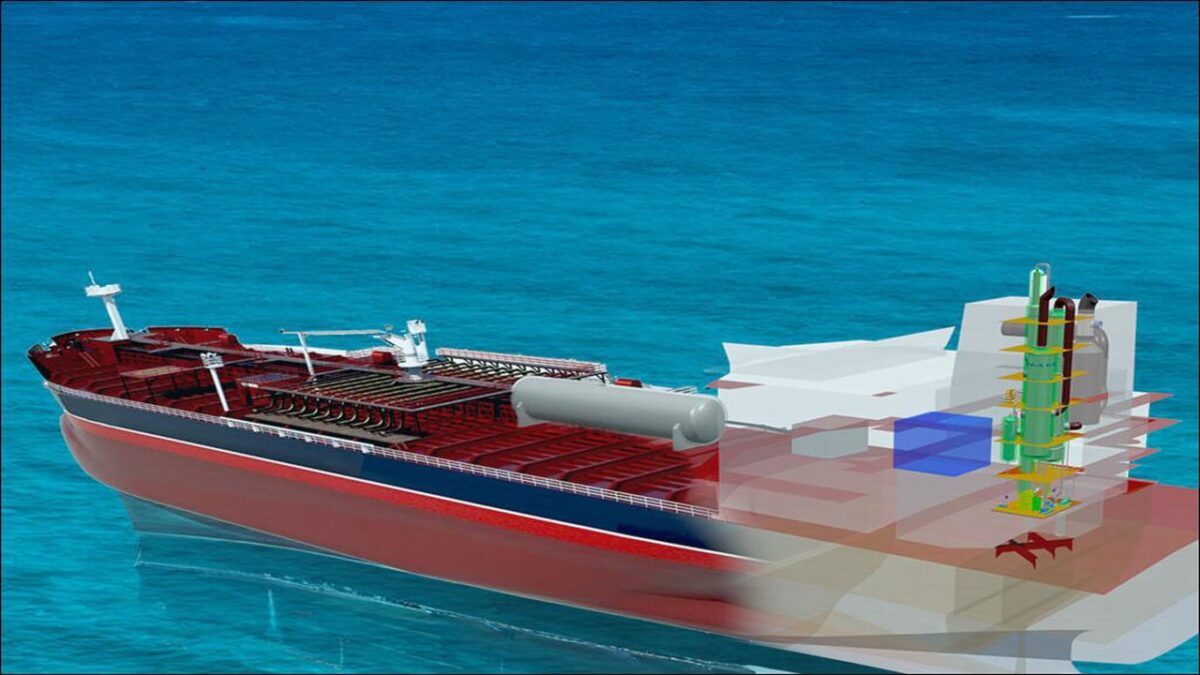
A recent groundbreaking study by the Global Centre for Maritime Decarbonisation (GCMD) highlights the significant potential of onboard carbon capture technology to reduce maritime emissions. The pilot project, “Project Captured,” demonstrated overall greenhouse gas (GHG) savings of 7.9% across the entire carbon value chain, offering a promising pathway for sustainable shipping. This innovative approach involved capturing CO2 directly on a container vessel, marking a crucial step towards a greener future for the global shipping industry.
Significant Emissions Savings Achieved
Verified by DNV, the life cycle assessment tracked captured CO2 from a container ship through offloading and industrial utilization. The onboard carbon capture system (OCCS) achieved a 10.7% capture rate, translating to 7.9% GHG emission savings – equivalent to approximately 0.84 tonnes of CO2 avoided for every tonne captured. This pioneering project included the world’s first ship-to-ship offloading of liquefied CO2, proving the operational viability of such systems.
Unlocking Greater Decarbonization Potential
Despite initial constraints like increased bunker fuel consumption and logistical challenges, the study projects an even greater potential. Addressing these issues could boost emissions savings to an impressive 17.8%, nearly two tonnes of CO2 avoided per tonne captured. Furthermore, the GCMD research indicates that CO2 utilization strategies can deliver substantially higher emissions reductions compared to permanent offshore storage, showcasing the multifaceted benefits of this advanced decarbonization solution.
These findings provide invaluable insights into scaling carbon capture technologies for maritime decarbonisation. The GCMD study reinforces the industry’s commitment to achieving ambitious sustainability goals and underscores the vital role of technological innovation in paving the way for a truly green shipping sector.