Gasum Secures Klaipeda LNG Terminal Access 2033-2040 | Mariner News
In a significant move poised to reshape the energy landscape of Northwestern Europe, leading Nordic energy company Gasum has officially secured long-term access to the Klaipeda LNG terminal in Lithuania. This pivotal agreement, spanning from 2033 to 2040, marks a strategic milestone for Gasum, solidifying its future capabilities to supply liquefied natural gas (LNG) and renewable bio-LNG to a growing customer base across the region. The commitment to the Klaipeda facility underscores Gasum’s dedication to fortifying its supply chain, enhancing operational flexibility, and championing the ongoing energy transition towards cleaner maritime fuels. This access is vital for meeting the increasing demand for lower-emission solutions, particularly within the maritime sector, where LNG and bio-LNG are becoming increasingly preferred options for sustainable shipping. The decision reflects Gasum’s proactive approach to ensuring energy security and accelerating the shift to more environmentally friendly fuel alternatives, cementing its role as a key player in the evolving European energy market.
Klaipeda LNG Terminal: A Strategic Anchor in Gasum’s Network
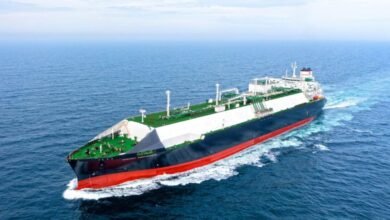
The Klaipeda LNG terminal is far from a new player in Gasum’s extensive supply chain; it has already served as a critical reloading point for the company’s LNG carrier and bunker vessels. Its integration into Gasum’s operations has been instrumental in supporting natural gas deliveries and bunkering activities across Finland and the Baltic countries. The terminal’s strategic geographical location on the Baltic Sea coast makes it an invaluable asset, complementing Gasum’s existing network of LNG terminals in Finland, Sweden, and Norway. By locking in long-term capacity at Klaipeda, Gasum significantly enhances its ability to optimize logistics and ensure reliable deliveries to its network of terminals and diverse maritime customers, particularly those operating within and around the bustling Danish Straits. This sustained access provides a stable foundation for future growth and reinforces Gasum’s commitment to reliable energy provision in a region increasingly focused on energy independence and diversification. The flexibility offered by this central hub allows for more agile responses to market demands and strengthens the resilience of Gasum’s overall supply infrastructure.
Beyond its current utility, the Klaipeda terminal’s significance extends to broader regional energy security. Lithuania has championed the terminal as a cornerstone of its energy independence strategy, reducing reliance on single-source energy imports. Gasum’s commitment to this terminal therefore not only benefits its own operations but also contributes to the robustness of the Baltic energy market, promoting diverse supply routes and fostering a competitive environment for natural gas distribution. The terminal’s infrastructure, designed for flexibility and efficient re-export, aligns perfectly with Gasum’s need for a versatile supply point capable of handling various types of liquefied gas, including the increasingly vital bio-LNG. This long-term engagement signals a mutual benefit, ensuring stability for the terminal’s operations while providing Gasum with guaranteed, critical access for the coming decades. This foundational investment highlights the enduring strategic value of well-positioned energy infrastructure in a dynamic global market.
Driving the Energy Transition with LNG and Bio-LNG Solutions
Gasum’s prolonged commitment to the Klaipeda facility is intrinsically linked to its broader vision of being a dependable partner in the global energy transition. The company anticipates a substantial surge in demand for both LNG and bio-LNG, primarily propelled by the maritime industry’s urgent need for lower-emission fuel options. As the number of LNG-fuelled vessels continues to expand across global fleets, the pressure to adopt cleaner fuels intensifies. LNG, as a marine fuel, offers significant environmental advantages over traditional heavy fuel oil, including near-zero sulfur oxide (SOx) and particulate matter emissions, a substantial reduction in nitrogen oxide (NOx) emissions, and a notable decrease in greenhouse gas (GHG) emissions. These benefits are critical for shipping companies striving to comply with increasingly stringent international and regional environmental regulations, such as the IMO 2020 sulfur cap and upcoming stricter GHG reduction targets.
Bio-LNG represents the next frontier in sustainable marine fuels, offering a pathway towards carbon-neutral shipping. Produced from renewable biomass sources like agricultural waste and municipal waste, bio-LNG is chemically identical to conventional LNG but boasts a significantly smaller carbon footprint, often achieving net-zero emissions on a well-to-wake basis. Gasum is at the forefront of developing and supplying bio-LNG, recognizing its potential to further decarbonize the maritime sector. Securing capacity at Klaipeda directly supports Gasum’s ability to scale up its bio-LNG supply capabilities, providing customers with a readily available, sustainable solution that supports ambitious climate targets. This proactive investment in renewable gas infrastructure positions Gasum as a leader in innovative, environmentally responsible energy solutions, demonstrating a tangible commitment to fostering a greener future for shipping and industry. The terminal’s capacity could also be leveraged to support the burgeoning bio-LNG market, providing crucial infrastructure for its distribution.
Optimizing Supply Chains and Enhancing Maritime Customer Service
Anders Malm, Senior Vice President, Supply & Trading at Gasum, underscored the profound implications of this agreement: “Securing capacity at Klaipeda supports Gasum’s strategic long-term supply capability and gives us flexibility in optimizing deliveries to our terminal network and maritime customers. It also underpins our commitment to being a dependable partner in the energy transition.” This statement highlights the dual benefits of enhanced operational efficiency and strengthened market position. The ability to optimize deliveries is crucial in a complex and competitive energy market. By having a secure and flexible supply point like Klaipeda, Gasum can better manage its inventory, reduce logistical costs, and ensure timely fuel provisions, even amidst fluctuating market conditions or unforeseen supply chain disruptions. This strategic flexibility is a significant competitive advantage, enabling Gasum to maintain high service levels and respond swiftly to customer needs.
For maritime customers, this long-term access translates into greater reliability and predictability in their fuel supply. As more vessels adopt LNG and bio-LNG, a robust and diversified bunkering network becomes paramount. Gasum’s expanded presence and reinforced capabilities, particularly in key maritime hubs like the Danish Straits, mean that shipping companies can confidently plan their routes and operations, assured of consistent access to sustainable fuels. This certainty is invaluable for vessel owners and operators making long-term investment decisions in LNG-fuelled newbuilds or retrofits. Gasum’s strategy not only addresses the immediate fuel requirements but also builds a resilient infrastructure that supports the long-term growth and sustainability goals of the entire maritime industry, fostering confidence and encouraging further adoption of these cleaner energy solutions.
Future Growth and Market Leadership in Green Shipping
The global maritime industry is undergoing a profound transformation, driven by a dual mandate of economic efficiency and environmental stewardship. Gasum’s investment in Klaipeda is a clear reflection of its forward-looking strategy to capitalize on these trends and maintain its leadership position in the evolving marine fuel market. The company firmly believes that the demand for LNG and especially bio-LNG will continue its upward trajectory, fueled by technological advancements in engine design, expanding bunkering infrastructure, and ever-tightening environmental regulations. This growth is not merely speculative; it is grounded in concrete industry shifts, with numerous shipping lines already committing to LNG-powered fleets. Gasum aims to be at the forefront of this green shipping revolution, providing the essential infrastructure and sustainable fuels required to achieve a low-carbon future for marine transportation.
Furthermore, by strengthening its network and capabilities across Northern Europe, Gasum is not just responding to market demand but actively shaping it. Its integrated approach, from sourcing and liquefaction to distribution and bunkering, positions it as a comprehensive energy partner for industries striving for decarbonization. The long-term agreement at Klaipeda is a testament to Gasum’s robust business model and its unwavering commitment to sustainable energy solutions. It ensures that the company can continue to provide reliable, competitively priced, and environmentally sound energy options to its diverse customer base for decades to come, reinforcing its reputation as an innovative and responsible energy provider. This strategic foresight ensures Gasum remains a critical enabler of the energy transition for industrial and maritime sectors alike, setting a benchmark for future-oriented energy infrastructure development and operations. The enhanced capacity will allow Gasum to further explore the potential for power-to-gas solutions, converting renewable electricity into synthetic methane, which can also be utilized through the LNG infrastructure.