Fujairah Tanker Attack: UKMTO Confirms Maritime Incident | Mariner News
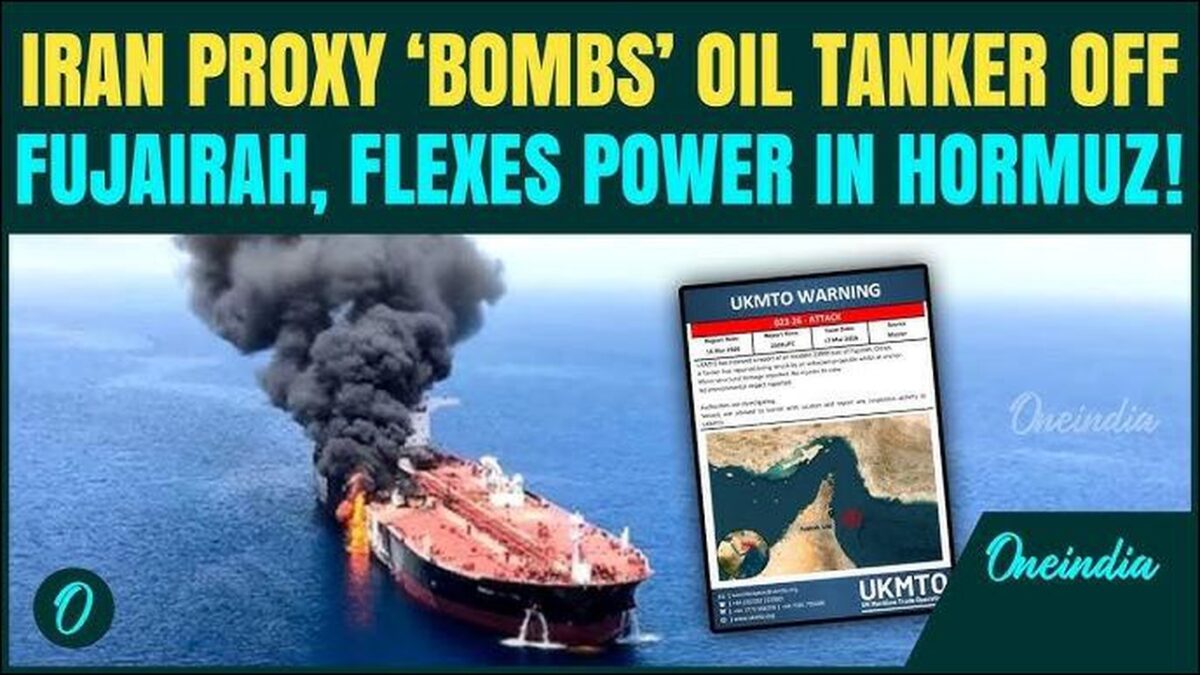
The global maritime industry is once again on heightened alert following a confirmed tanker attack off Fujairah during the overnight hours, as reported by the UK Maritime Trade Operations (UKMTO). This concerning incident, involving an unknown projectile striking a vessel, has swiftly reignited profound worries about the escalating maritime security landscape within the Middle East’s critical shipping lanes. The strategic waters near Fujairah, a vital hub for bunkering and maritime operations, have become a focal point for geopolitical tensions, making any such event a significant cause for international concern. Shipping companies, insurers, and crews operating in the region are now reassessing risks and bolstering precautionary measures in the wake of this latest assault on commercial shipping, underscoring the delicate balance of peace and commerce in this volatile area.
The Incident: Unraveling the Fujairah Tanker Attack Details
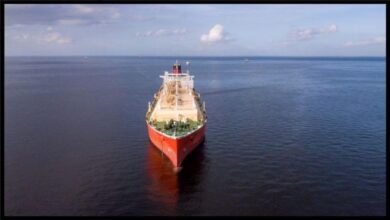
Late on Monday night, a commercial tanker experienced a direct strike from what has been described as an unknown projectile while at anchor approximately 23 nautical miles east of Fujairah. The incident, recorded at 23:01 UTC, was promptly communicated by the UKMTO through its advisory channels, alerting mariners and the broader shipping community to the developing situation. Initial assessments indicate minor structural damage to the vessel, a fortunate outcome given the potential for catastrophic consequences. Crucially, reports confirm that no injuries were sustained by the crew onboard, and there has been no observable pollution, mitigating immediate environmental and human welfare concerns.
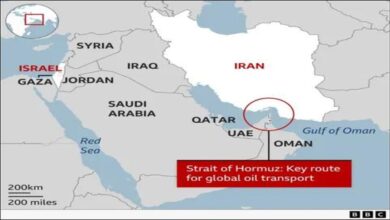
The nature of the projectile remains a subject of ongoing investigation and speculation. Authorities are working to determine the origin and type of the weapon used, a key factor in understanding the intent behind the assault. While the damage was reported as minor, any attack on a commercial vessel, particularly an oil tanker, carries significant implications for regional stability and global energy security. The location of the incident, just outside the Strait of Hormuz but strategically close to this critical choke point, highlights the persistent threats faced by vessels transiting these economically vital waters.
The swift reporting by UKMTO allowed for rapid dissemination of information, enabling other ships in the vicinity to take appropriate evasive or cautionary actions. This incident underscores the precarious operating environment for tankers and other commercial ships in the Arabian Gulf, a region that has witnessed a troubling pattern of maritime security incidents in recent years. The global community now watches closely for further details and any potential attribution for this latest act of aggression against international shipping, emphasizing the need for robust security protocols and collaborative intelligence sharing.
UKMTO’s Crucial Role in Maritime Security Monitoring
Established to provide vital maritime security information, the UK Maritime Trade Operations (UKMTO) serves as a critical conduit for reporting incidents and issuing advisories to commercial shipping operating in areas of heightened risk, including the Arabian Gulf, Gulf of Oman, and the Indian Ocean. Its primary mission is to maintain situational awareness and facilitate the flow of information between military authorities and the commercial maritime sector, acting as a crucial interface for operational risk assessment. By monitoring potential threats, ranging from piracy to geopolitical-motivated attacks, UKMTO plays an indispensable role in safeguarding seafarers and ensuring the continuity of global trade routes.
The organization’s effectiveness lies in its ability to rapidly collect, verify, and disseminate accurate information. When an incident like the recent Fujairah tanker attack occurs, UKMTO’s immediate social media posts and advisories become the primary source of actionable intelligence for vessel operators and shipping companies. This timely communication allows mariners to make informed decisions regarding route planning, implement enhanced security measures, and maintain a vigilant watch, thereby significantly reducing the risk of further incidents. Their operational reach and coordination capabilities are paramount in a region where threats can materialize quickly and unpredictably.
Beyond immediate incident reporting, UKMTO also fosters cooperation among naval forces and industry stakeholders. This collaborative approach ensures a coordinated response to maritime security challenges, facilitating shared intelligence and joint efforts to deter hostile actions. Their continuous presence and monitoring provide a layer of security that is essential for commercial vessels navigating these complex and often dangerous waters. The recent report off Fujairah exemplifies UKMTO’s ongoing commitment to maritime safety and its indispensable contribution to global supply chain resilience, acting as a beacon of information in an uncertain environment.
Geopolitical Currents: Strait of Hormuz Tensions and Regional Instability
The Strait of Hormuz, a narrow waterway connecting the Persian Gulf with the Arabian Sea, stands as the world’s most important oil transit choke point, making the surrounding maritime areas inherently sensitive to geopolitical fluctuations. The recent tanker attack off Fujairah cannot be viewed in isolation but rather as another manifestation of the simmering tensions and regional instability that have plagued the Middle East for years. This strategic maritime artery is particularly susceptible to disruptions stemming from political disputes, military posturing, and proxy conflicts involving various state and non-state actors.
Historically, the region has been a flashpoint for international incidents, with previous attacks on vessels and seizures of tankers amplifying global anxieties about energy supplies and shipping safety. The current backdrop includes heightened friction following recent US and Israeli strikes on territories linked to Iran, which in turn has issued stern warnings about its retaliatory capabilities. While some nations’ ships have been permitted passage, Iran has explicitly cautioned that vessels with perceived links to the US or Israel could become targets, introducing a complex layer of risk assessment for international shipping companies.
Fujairah, situated just outside the Strait of Hormuz, serves as a crucial strategic hub for bunkering, ship supplies, and a holding anchorage for vessels awaiting transit. Its proximity to the Strait means that any security incident in its waters, even if technically outside the most confined section, carries profound implications for all maritime operations in the broader region. The recurring pattern of such incidents, whether through direct military action, drone attacks, or limpet mine placements, signals a persistent and evolving threat landscape. This ongoing instability necessitates constant vigilance and robust international diplomatic efforts to de-escalate tensions and protect vital global trade arteries from further disruption.
Far-Reaching Consequences: Impact on Global Shipping and Bunker Markets
The reverberations of any maritime security incident in the Middle East, such as the recent tanker attack off Fujairah, extend far beyond the immediate damage to a single vessel. Global shipping routes are immediately impacted, as carriers reassess risks and potentially reroute vessels away from perceived danger zones. Such diversions lead to extended transit times, increased fuel consumption, and significant disruptions to established liner schedules. This ripple effect can cause delays in delivery, create bottlenecks at major ports, and ultimately drive up shipping costs, which are then passed on to consumers, affecting global supply chains and inflating prices for various commodities.
Moreover, the economic repercussions are acutely felt in the maritime insurance sector. War risk premiums, already elevated for vessels transiting the Arabian Gulf, are likely to climb further in response to increased perceived threats. Protection and Indemnity (P&I) clubs, which provide liability coverage for shipowners, will also review their terms and conditions, potentially imposing stricter requirements or higher rates for operations in the region. This financial burden adds considerable operational costs for shipping companies, directly impacting their profitability and sustainability, especially for those with long-term commitments to Middle Eastern routes.
Beyond the financial implications, the psychological toll on seafarers cannot be overlooked. Crew welfare and safety are paramount, and operating in an environment fraught with security threats places immense stress on maritime personnel. The constant fear of attack, capture, or harm necessitates heightened vigilance and comprehensive security training. Furthermore, critical bunkering hubs like Fujairah, which is one of the world’s busiest, face direct economic challenges. Any threat to its operations or the vessels calling there can lead to immediate price volatility in bunker fuels, affecting sourcing strategies and overall operational budgets for thousands of ships globally. The confluence of these factors underscores the profound and multifaceted impact of such maritime security incidents on the intricate web of international trade and energy markets.
Navigating the Future: Enhancing Maritime Safety and Industry Resilience
In response to recurring security challenges, the international maritime community must continually adapt and innovate to enhance safety and build resilience. For vessels operating in high-risk areas like the waters surrounding Fujairah and the Strait of Hormuz, strict adherence to recommended Best Management Practices (BMP) for protection against piracy and other maritime threats is paramount. This includes implementing comprehensive vessel hardening measures, maintaining vigilant watchkeeping, and establishing clear communication protocols with maritime security authorities. The adoption of advanced surveillance technologies, such as enhanced radar systems, drone detection capabilities, and integrated monitoring platforms, can provide early warning of potential threats, allowing for proactive defensive actions and better situational awareness.
International collaboration and diplomatic efforts remain foundational to de-escalating regional tensions and preventing future attacks. A united front among global powers, focused on upholding freedom of navigation and ensuring the safety of international waterways, is essential. This involves robust intelligence sharing between naval forces, coast guards, and commercial shipping intelligence centers to identify and mitigate emerging threats effectively. Regular information exchange helps to paint a clearer picture of the threat landscape, allowing for more targeted security advisories and patrols.
The shipping industry itself plays a vital role in fostering a culture of safety and preparedness. This includes investing in comprehensive crew training programs that cover threat recognition, emergency response, and psychological resilience. Encouraging crew members to report suspicious activities promptly contributes significantly to collective security. Moreover, ongoing dialogue between shipowners, operators, insurers, and governmental bodies is crucial to developing long-term strategies for protecting vital shipping arteries. Embracing innovative maritime security solutions, advocating for robust international legal frameworks, and consistently adapting to evolving threats will be key to navigating the complex waters of global trade safely and ensuring the continued flow of commerce in an increasingly unpredictable world.