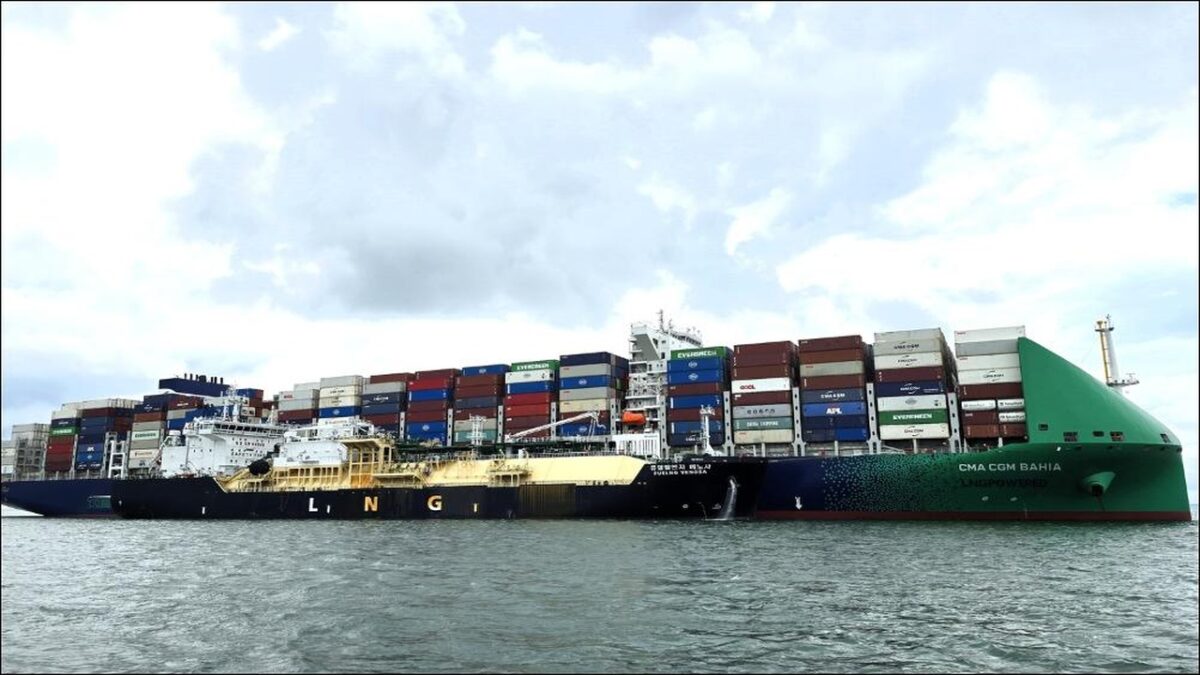
FueLNG Achieves 800th LNG Bunkering Milestone in Singapore | Mariner News
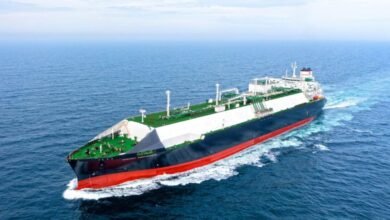
FueLNG, a leading provider of sustainable maritime fuel, has successfully completed its 800th LNG bunkering operation in Singapore. This significant milestone, achieved on July 11, involved the supply of Liquefied Natural Gas (LNG) to the vessel MV Ubuntu Humanity by FueLNG’s bunker vessel, FueLNG Venosa, at Singapore’s Eastern Bunkering A Anchorage (AEBA). This accomplishment not only highlights FueLNG’s operational excellence and unwavering commitment to safety and efficiency but also reinforces Singapore’s position as a critical global hub for LNG supply and green maritime initiatives. As the shipping industry increasingly embraces decarbonization, such achievements are vital indicators of progress, demonstrating the viability and growing adoption of alternative fuels like LNG in the global push for environmental responsibility. This robust growth in bunkering operations underscores the trust customers place in FueLNG’s reliable marine fuel services.
FueLNG’s Commitment to Cleaner Marine Fuel Services
FueLNG stands at the forefront of the maritime energy transition, operating as a strategic joint venture between Seatrium Offshore & Marine Ltd and Shell Singapore. This powerful collaboration leverages extensive marine engineering expertise and global energy leadership to establish FueLNG as a key enabler of sustainable shipping. The company’s mission extends beyond mere fuel delivery; it is deeply rooted in fostering a cleaner, more efficient maritime ecosystem. Their consistent execution of LNG bunkering operations reflects a profound commitment to environmental stewardship, offering shipowners a proven pathway to reduce their carbon footprint and comply with increasingly stringent international regulations. By championing LNG as a transitional fuel, FueLNG plays an indispensable role in helping the industry move away from traditional heavy fuel oils, significantly cutting emissions of sulfur oxides (SOx), nitrogen oxides (NOx), and particulate matter.
The successful completion of 800 LNG bunkering missions represents years of meticulous planning, continuous innovation, and steadfast dedication to operational excellence. Each operation, exemplified by the recent supply to MV Ubuntu Humanity, underscores the intricate coordination and rigorous safety protocols necessary for seamless and secure fuel transfers. This proven track record builds immense confidence among shipping lines considering the adoption of LNG fuel for their fleets, demonstrating the reliability and practical feasibility of LNG as a large-scale marine fuel solution. FueLNG’s pioneering efforts provide a robust framework and valuable insights for the wider industry, showcasing how specialized marine fuel services effectively support decarbonization without compromising operational efficiency.
Singapore: A Global Leader in LNG Supply and Green Maritime
Singapore has long maintained its status as the world’s leading bunkering port, a position further solidified by its proactive embrace of LNG bunkering. The city-state’s strategic location at the confluence of major global shipping lanes makes it an unparalleled hub for international trade and marine fuel services. The Maritime and Port Authority of Singapore (MPA) has played a pivotal role, implementing a forward-thinking strategy that includes developing robust infrastructure and a comprehensive regulatory framework for LNG fuel. Significant investments in specialized LNG bunker vessels, advanced port facilities, and comprehensive training for personnel involved in bunkering operations have created an environment highly conducive to the rapid expansion of cleaner fuel adoption. This strategic foresight ensures Singapore remains at the vanguard of the maritime energy transition, supporting vessels seeking sustainable fuel options.
Establishing Singapore as a premier LNG bunkering hub provides substantial advantages to shipowners globally, offering a reliable and efficient LNG supply chain within a highly accessible and strategically vital port. This reliability is paramount for maritime logistics, enabling vessels to optimize routes and schedules with assurance regarding fuel availability. Furthermore, Singapore’s stringent regulatory environment and unwavering commitment to safety in all bunkering operations instill confidence in international shipping lines. By facilitating seamless access to cleaner fuel, Singapore actively contributes to global efforts to reduce shipping emissions, illustrating how a major port can champion environmental sustainability while preserving economic competitiveness. This commitment reinforces Singapore’s status as a dynamic leader in green maritime innovation, attracting further investment and advancement in alternative fuels.
Environmental Impact and Operational Excellence of LNG Fuel
LNG bunkering operations involve the precise transfer of liquefied natural gas, typically from a supply vessel like the FueLNG Venosa, to an LNG-fueled ship. This process demands specialized equipment, highly trained personnel, and strict adherence to safety protocols due to the cryogenic nature of LNG. The meticulous coordination, rigorous safety checks, and precise temperature management ensure efficient and incident-free fuel transfers. Stored at extremely low temperatures (-162°C), LNG requires advanced containment systems on both the bunker vessel and the receiving ship. The technological sophistication integral to these transfers highlights the high operational standards maintained by providers such as FueLNG, guaranteeing both reliability and environmental protection during every LNG supply procedure.
The primary driver behind the increasing adoption of LNG as a marine fuel is its substantial environmental advantages. Compared to conventional heavy fuel oils, LNG dramatically reduces harmful emissions. It virtually eliminates sulfur oxide (SOx) and particulate matter (PM) emissions, major contributors to air pollution. Moreover, LNG fuel cuts nitrogen oxide (NOx) emissions by up to 85% and reduces greenhouse gas (GHG) emissions, including carbon dioxide, by up to 25%. These significant reductions are critical for the shipping industry, which faces intense pressure to meet global decarbonization targets and comply with stringent IMO environmental regulations. The consistent use of cleaner fuel like LNG represents a tangible and effective step towards achieving a more sustainable maritime sector.
Beyond its environmental benefits, LNG bunkering offers distinct operational advantages for shipowners. Improved combustion efficiency can lead to enhanced engine performance and potentially lower maintenance costs. The expanding global LNG supply network, bolstered by hubs like Singapore, provides confidence for ship operators to invest in LNG-fueled vessels. The industry’s growing experience with bunkering operations for gas fuels refines best practices, enhancing safety and improving efficiency. The proven mechanics and clear benefits of maritime LNG fuel solidify its position as a cornerstone of the maritime energy transition, offering a responsible path towards reducing global trade’s ecological footprint.
Charting the Course for Future Maritime Decarbonization
FueLNG’s 800th LNG bunkering operation in Singapore illustrates the accelerating momentum within the maritime energy transition. While LNG is a vital transitional fuel, its role extends to paving the way for next-generation cleaner fuels and more ambitious decarbonization targets. The infrastructure, operational expertise, and safety protocols developed for LNG will prove foundational for widespread adoption of zero-emission fuels such as green methanol, ammonia, or hydrogen, each presenting unique bunkering challenges. This continuous evolution in marine fuel services is crucial for the industry to achieve its long-term goal of net-zero emissions, underscoring the importance of investing in technologies and capabilities today that will serve future requirements.
The global shipping industry stands at a critical juncture, with escalating regulatory pressures and heightened environmental consciousness driving profound changes. Milestones like FueLNG’s 800th operation demonstrate that sustainable shipping is not merely an aspiration but a rapidly expanding reality. The growing fleet of LNG-fueled vessels, effectively supported by a robust LNG supply network in strategic locations like Singapore, signals that shipowners are making tangible commitments to reducing their environmental impact. This transformative shift represents a collective effort from fuel suppliers, port authorities, shipbuilders, and operators to embrace innovation and foster a greener future for maritime transport. The sustained growth in bunkering operations for alternative fuels is a clear indication that the industry is actively responding to the urgent global need for decisive climate action.
Looking ahead, the momentum generated by successful LNG bunkering operations will undoubtedly catalyze further advancements in green maritime technologies and practices. As more experience is gained, operational efficiencies will improve, and the economic attractiveness of cleaner fuel options will grow. The unwavering focus will remain on safety, efficiency, and scalability, ensuring that as the industry progresses towards sustainable energy sources, the integrity and reliability of marine fuel services are enhanced. FueLNG’s achievement in Singapore is a forward-looking indicator of a vibrant, innovative, and increasingly sustainable future for global shipping, setting the course for comprehensive maritime decarbonization.
Conclusion
FueLNG’s successful completion of its 800th LNG bunkering operation in Singapore marks a significant achievement, solidifying its leadership in providing sustainable maritime fuel solutions and reinforcing Singapore’s pivotal role as a global green maritime hub. This impressive milestone, highlighted by the bunkering of the MV Ubuntu Humanity, underscores the unwavering commitment of FueLNG and its partners, Seatrium and Shell, to operational excellence, safety, and environmental responsibility. As the shipping industry intensifies its efforts towards decarbonization, the continuous expansion and refinement of LNG supply capabilities are absolutely vital. This achievement not only paves the way for wider adoption of cleaner fuel but also strengthens Singapore’s position at the forefront of the maritime energy transition. It is a clear indication that the future of shipping is increasingly fueled by sustainable choices, promising a cleaner, more efficient, and environmentally conscious global fleet.