French Navy Intercepts Sanctioned Shadow Fleet Tanker | Mariner News
The tranquil waters of the Western Mediterranean recently bore witness to a significant act of maritime enforcement as the French Navy, in a coordinated operation with British forces, successfully intercepted a sanctioned shadow fleet tanker. This high-stakes operation underscores the increasing vigilance against illicit shipping activities that threaten global maritime security and undermine international sanctions regimes. The vessel, identified as the tanker Deyna, was stopped on March 20 for verification due to strong suspicions of operating under a false flag, a common tactic employed by the burgeoning shadow fleet.
This incident highlights a critical challenge for international maritime authorities: tracking and interdicting vessels that deliberately obscure their identity, ownership, and cargo to circumvent legal restrictions. The interception of the Deyna, a vessel that had been sanctioned by multiple international bodies for its ties to the Russian oil industry, sends a clear message about the unwavering commitment of naval forces to uphold maritime law and ensure compliance with global sanctions. The implications of this operation extend far beyond the immediate seizure, resonating through the complex networks of illicit trade and the efforts to maintain stability in global shipping lanes.
The Rise of the Shadow Fleet: A Threat to Global Shipping
The phenomenon of the ‘shadow fleet’ or ‘dark fleet’ has emerged as a major concern for maritime safety and environmental protection. These vessels typically operate outside conventional regulatory frameworks, often using outdated ships, cutting corners on maintenance, and failing to adhere to international safety standards. The Deyna, a 2005-built tanker, perfectly exemplifies this trend, with its class reportedly withdrawn in March 2024 and no inspection record since August 2024. Such conditions not only pose significant risks of accidents and oil spills but also enable the illicit transport of sanctioned commodities, particularly crude oil, to global markets.
Experts in maritime intelligence estimate that hundreds of these vessels are now actively involved in crude oil and refined product shipping, predominantly linked to Russian energy exports. This network of vessels is deliberately opaque, employing complex ownership structures, frequent name changes, and the notorious practice of ‘dark activities’ – disabling AIS transponders to avoid detection. The growth of this clandestine fleet directly challenges the effectiveness of economic sanctions imposed by nations and international bodies, making it harder to track trade flows and enforce compliance.
Operation Deyna: A Coordinated Maritime Enforcement Success
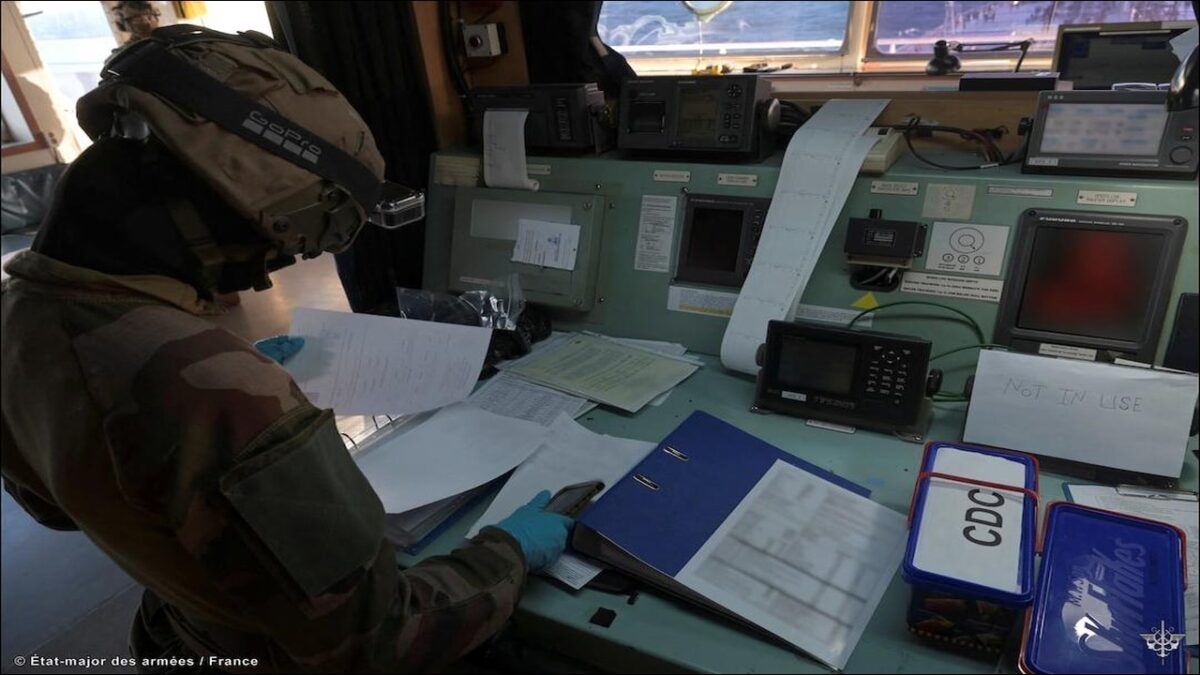
The interception of the Deyna was the culmination of extensive intelligence gathering and coordinated tracking efforts. French and British forces had been monitoring the vessel, which originated from Murmansk, Russia. Despite its AIS signal indicating a course towards the Suez Canal and likely onward to China, the intelligence suggested a much more intricate and illicit journey. French forces, deployed by helicopter, boarded the tanker in the Western Mediterranean, initiating a thorough verification process.
This robust response demonstrates the enhanced collaboration among naval powers to combat such sophisticated evasion tactics. The ability to track, identify, and interdict these vessels requires advanced surveillance capabilities, intelligence sharing, and rapid deployment readiness. The success of the Deyna operation reinforces the importance of such international cooperation in safeguarding the integrity of global shipping and mitigating the risks associated with non-compliant vessels. The images depicting the vessel low in the water, heavily laden with crude, provided compelling visual evidence of its illicit cargo and operational status.
False Flags and Deceptive Practices in Maritime Operations
A critical aspect of the Deyna case, and indeed many shadow fleet operations, is the use of false flags. The French authorities reported that the vessel claimed to be operating under the flag of Mozambique, while Equasis, a public information system for ships, listed its flag as Tonga. This discrepancy highlights the deliberate obfuscation of national identity, a key strategy to avoid scrutiny, bypass regulatory checks, and operate with impunity. False flag operations undermine the fundamental principle of freedom of navigation and the integrity of national registries.
African nations, in particular, have become unwitting participants in this deceptive practice, with countries like Madagascar and landlocked Zimbabwe having recently warned the IMO about vessels falsely claiming their flags. The ease with which these vessels acquire and display false flags exposes a vulnerability in the international maritime system that bad actors readily exploit. Addressing this requires stricter flag state controls, enhanced verification processes, and greater transparency in ship registration globally. The legal implications for vessels operating under false pretenses are severe, ranging from immediate detention to significant financial penalties and criminal charges for the operators.
International Sanctions and the Battle Against Illicit Oil Trade
The Deyna was specifically sanctioned by the United States in January 2025 for its involvement with the Russian oil industry and its links to Sino Ship Management, a company implicated in supporting illicit oil transport. The European Union and the United Kingdom followed suit with their own sanctions in 2025. These comprehensive sanctions aim to cut off funding for geopolitical aggressions and enforce compliance with international norms, making the interception of the Deyna a direct win for global stability efforts.
Sanctions are a powerful tool in international diplomacy, but their effectiveness hinges on robust enforcement. The shadow fleet directly challenges this enforcement, creating a parallel economy that benefits illicit actors. The successful interdiction of the Deyna serves as a powerful deterrent, signaling that even the most covert operations will face consequences. It also highlights the intricate web of shell companies and intermediaries, like Sino Ship Management, used to mask the true beneficiaries of this illicit trade, necessitating deeper investigations into beneficial ownership.
Navigating the Legal and Regulatory Labyrinth of Maritime Law
Maritime law is a complex framework designed to govern activities on the high seas, but the shadow fleet often operates in legal gray areas. The process of verifying a vessel’s nationality, its cargo, and its compliance with international conventions like the International Safety Management (ISM) Code, the Maritime Pollution (MARPOL) Convention, and the International Ship and Port Facility Security (ISPS) Code, is critical. The fact that the Deyna had its class withdrawn and lacked recent inspection records points to serious non-compliance, raising alarms about its seaworthiness and environmental risk.
Naval interventions like the one conducted by the French Navy are grounded in international law, specifically the right of visit on the high seas under certain circumstances, such as reasonable grounds to suspect statelessness or involvement in illicit activities. The legal basis for stopping and boarding such a vessel is crucial for ensuring that enforcement actions are legitimate and upheld in international courts. This incident will undoubtedly contribute to ongoing discussions at the International Maritime Organization (IMO) and other international bodies about strengthening regulatory oversight and enforcement mechanisms to combat rogue shipping effectively.
The Broader Impact: Security, Economy, and Environment
Beyond the immediate tactical success, the interception of the sanctioned shadow fleet tanker has far-reaching implications. From a security perspective, it mitigates the risks posed by uninspected and uninsured vessels navigating critical shipping lanes. These vessels could be used for other illicit activities, including arms trafficking or even terrorism, making their unchecked proliferation a serious global security concern. The operation directly enhances maritime security by removing a non-compliant vessel from circulation.
Economically, the shadow fleet distorts global oil markets by providing an avenue for sanctioned oil to reach buyers, undermining the impact of sanctions and creating unfair competition for legitimate shipping companies that adhere to strict regulations. Environmentally, these older, poorly maintained ships are ticking time bombs, posing significant risks of oil spills and other forms of pollution that could devastate marine ecosystems. The crude oil cargo on the Deyna, had it been involved in an accident, would have caused significant environmental damage. The French Navy’s action is therefore a multifaceted victory for security, economic fairness, and environmental protection on the world’s oceans.