France Targets Shadow Tankers, Stiffer Penalties for False Flags | Mariner News
France is taking a decisive stand against the growing menace of the global shadow tanker fleet, enacting new legislation designed to impose significantly stiffer penalties on vessels operating under false flags or failing to comply with legitimate authority. This robust approach underscores the nation’s commitment to upholding international maritime law and bolstering the enforcement of sanctions, particularly those targeting the illicit trade of Russian oil. The proactive measures by French authorities are a direct response to a rise in dangerous and non-compliant shipping activities, aiming to dismantle networks that exploit ambiguities in maritime governance for profit.
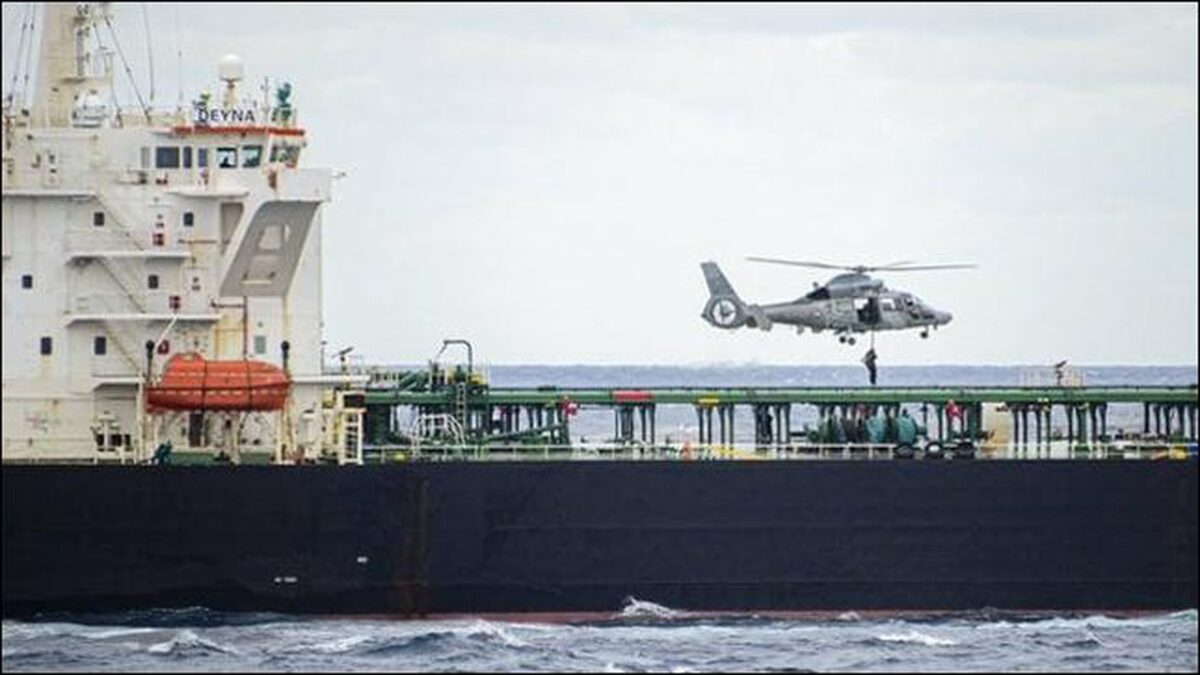
Over the past seven months, French forces have demonstrated their resolve by detaining three shadow fleet tankers. These interceptions highlight the tangible threats posed by such vessels, which often operate without proper insurance, safety standards, or transparent ownership. The legislative push, reported by Agence France-Presse (AFP) after reviewing draft documents, seeks to create a more formidable deterrent, ensuring that the economic and legal risks associated with these illicit operations far outweigh potential gains. This crackdown is not merely about punitive action; it’s about safeguarding maritime safety, protecting the marine environment, and maintaining the integrity of global shipping lanes against the clandestine activities of the dark fleet.
The Escalating Threat of Shadow Fleets and False Flags
Shadow tankers represent a complex challenge to global maritime security and governance. These vessels are typically older, often poorly maintained, and frequently change their names, flags, and ownership to obscure their origins and destinations. Their primary function often revolves around circumventing international sanctions, particularly those imposed on the Russian oil industry following geopolitical events. By operating outside conventional regulatory frameworks, these illicit oil tankers pose significant risks, including environmental disasters from potential spills, safety hazards due to neglected maintenance, and direct threats to legitimate shipping through uncooperative behavior or suspicious maneuvers. The use of false flags – misrepresenting a vessel’s nationality – is a common tactic employed by these fleets to evade detection and scrutiny, making identification and interception incredibly difficult for maritime authorities worldwide.
The global shadow fleet is estimated to comprise hundreds of vessels, primarily older crude oil and product tankers, whose operations are designed for opacity. This clandestine network allows sanctioned entities to continue exporting commodities, undermining the effectiveness of international sanctions regimes. The economic incentives for participating in this illicit trade are substantial, leading to a sophisticated web of shell companies, deceptive shipping practices, and logistical complexities. France’s targeting of these vessels is a critical step in a broader international effort to illuminate and disrupt these dark operations, recognizing that unchecked, they could destabilize the entire maritime industry and pose grave threats to global security. The risks extend beyond oil, potentially facilitating other forms of illegal trade and dangerous activities on the high seas.
France’s Stricter Maritime Penalties and Legal Clarity
The proposed French legislation introduces significant increases in penalties, signaling a hardening stance against illegal shipping and false flag operations. Under the new rules, fines for ships suspected of operating under a false flag would be doubled to €300,000 (approximately $350,000), and could lead to prison sentences of up to two years. This substantial increase in financial penalties is designed to hit the economic viability of shadow fleet operations directly, making the cost of non-compliance prohibitively high. Furthermore, the legislation addresses the critical issue of crew and enforcement officer safety. If the lives of individuals boarding a suspicious vessel are endangered, the penalties escalate dramatically, with fines reaching €700,000 (approximately $818,000) and prison sentences extending up to seven years. This provision reflects the inherent dangers faced by French forces when intercepting and boarding potentially hostile or uncooperative vessels at sea, providing greater protection and legal backing for their actions.
Beyond financial and custodial penalties, the new law also brings crucial clarity to the definition of responsibility within maritime operations. It expands the legal definition to encompass any person “who exercises power of control or management” over a vessel’s operations. This crucial amendment aims to tackle the complex ownership structures and opaque management chains characteristic of the shadow fleet. Traditionally, legal action might have focused solely on the vessel captain or flag state. However, by extending liability to those exerting real control – whether beneficial owners, charterers, or clandestine managers – France seeks to dismantle the broader network supporting these illegal shipping activities, holding the true orchestrators accountable. This broadened scope represents a significant legal innovation in combating maritime illicit activities, setting a precedent that other nations might consider adopting to enhance their own enforcement capabilities against dark fleet operations.
Illustrative Enforcement Actions: The Boracay Incident
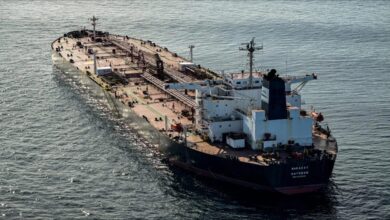
The necessity for France’s bolstered legal framework is clearly illustrated by several high-profile detentions, most notably the incident involving the shadow fleet tanker, the Boracay, in September 2025. This particular vessel, notorious for its suspected involvement in sanctions evasion, became a focal point for French maritime enforcement. Reports indicate that when French forces moved to intercept the Boracay in the Western Mediterranean, its captain, a Chinese citizen, initially refused to obey orders and attempted to obstruct the boarding of the vessel by French troops. Such defiance underscores the significant challenges and potential risks associated with confronting non-compliant vessels. The incident highlighted the immediate need for stronger legal instruments to manage such encounters and ensure the safety of enforcement personnel.
Despite the captain’s resistance, French forces successfully boarded and ultimately directed the Boracay into territorial waters, where it was held for several days for thorough investigation. This decisive action prevented the vessel from continuing its potentially illegal voyage and sent a clear message about France’s resolve to enforce maritime law within its jurisdiction and beyond. The master of the Boracay was subsequently arrested and ordered to stand trial in February 2026, marking a significant legal victory in the fight against illicit maritime operations. His eventual sentencing, though not fully detailed in the initial reports, would serve as a crucial deterrent, showcasing that individuals directly involved in operating shadow tankers face severe legal consequences. This case exemplifies the practical application of France’s commitment to actively pursuing and prosecuting those who aid and abet violations of international sanctions and maritime safety regulations, making it harder for other dark fleet operators to evade justice.
Broader Implications for Maritime Security and Sanctions Enforcement
France’s stringent measures against shadow tankers and false flag operations resonate far beyond its territorial waters, carrying significant implications for global maritime security and the effectiveness of international sanctions. By actively intercepting and prosecuting these vessels, France contributes to a collective effort to disrupt the illicit oil trade, primarily involving Russian crude, which continues to fund geopolitical conflicts. This proactive stance encourages other nations to re-evaluate their own maritime enforcement strategies and potentially adopt similar robust legislative frameworks. The challenge of identifying and tracking these elusive vessels is immense, often requiring advanced intelligence gathering, satellite surveillance, and international cooperation. France’s actions underscore the importance of these collaborative efforts in building a comprehensive defense against maritime illicit activities and safeguarding global supply chains from the risks posed by dark fleets. The international community watches closely, recognizing the leadership displayed by France in addressing this complex issue.
Moreover, the expanded definition of responsibility in the new French law could set a powerful precedent for holding the true beneficiaries and orchestrators of shadow fleet operations accountable. This shift from solely targeting vessel captains to pursuing those who exert control or management could fundamentally alter the risk calculus for entities involved in sanctions evasion. It makes it harder for individuals and corporations to hide behind complex corporate structures and flag-of-convenience registrations. The long-term impact could be a significant reduction in the viability of the shadow fleet model, forcing these operations further into the shadows or compelling them to cease activities altogether. This renewed focus on accountability sends a clear message that the international community is increasingly united in its efforts to enforce maritime law and ensure the transparency and safety of global shipping. The ongoing cat-and-mouse game between enforcers and evaders requires continuous innovation and unwavering commitment, and France’s latest moves exemplify this dedication.
International Cooperation and Future Outlook in Combating Illicit Shipping
The fight against shadow tankers and false flag vessels is inherently a global endeavor, demanding extensive international cooperation and intelligence sharing. France’s intensified crackdown serves as a powerful call to action for its European partners and other maritime nations. Sharing real-time data on suspicious vessel movements, ownership changes, and port calls is critical for identifying and intercepting dark fleet components. Organizations such as the International Maritime Organization (IMO) and regional maritime security bodies play a vital role in establishing common standards and facilitating collaborative enforcement actions. The effectiveness of sanctions evasion tactics relies heavily on exploiting jurisdictional gaps and varying enforcement capacities among states. Therefore, a harmonized international approach, spurred by leading nations like France, is essential to close these loopholes and present a united front against illicit shipping operations that undermine global stability and environmental safety. This collective vigilance and coordinated response are the cornerstones of future success in maintaining order at sea.
Looking ahead, the evolution of technologies such as artificial intelligence and advanced satellite tracking will undoubtedly play an increasing role in detecting and monitoring shadow fleets. However, these technological advancements must be complemented by strong legal frameworks and determined political will, as demonstrated by France’s recent legislative initiatives. The economic pressures that drive the illicit oil trade are unlikely to dissipate quickly, meaning the cat-and-mouse game between enforcers and evaders will continue to evolve. France’s proactive measures not only bolster its own maritime security but also contribute significantly to shaping the future of international maritime law and its enforcement. By consistently raising the stakes for those engaged in illegal shipping, France is helping to create a more transparent, secure, and environmentally responsible global maritime industry, reinforcing the principle that the rule of law must prevail on the high seas. This commitment ensures that the oceans remain pathways for legitimate commerce, free from the dangers posed by non-compliant vessels.