

France Deploys Patrol Plane to Black Sea Amid Vessel Attacks
France has deployed a patrol aircraft to the Black Sea, marking a significant escalation in NATO’s surveillance posture following a sharp rise in kinetic threats to merchant vessels. The move comes as regional volatility has resulted in at least eight merchant ships being struck over the past three weeks. The deployment signals a transition from […]
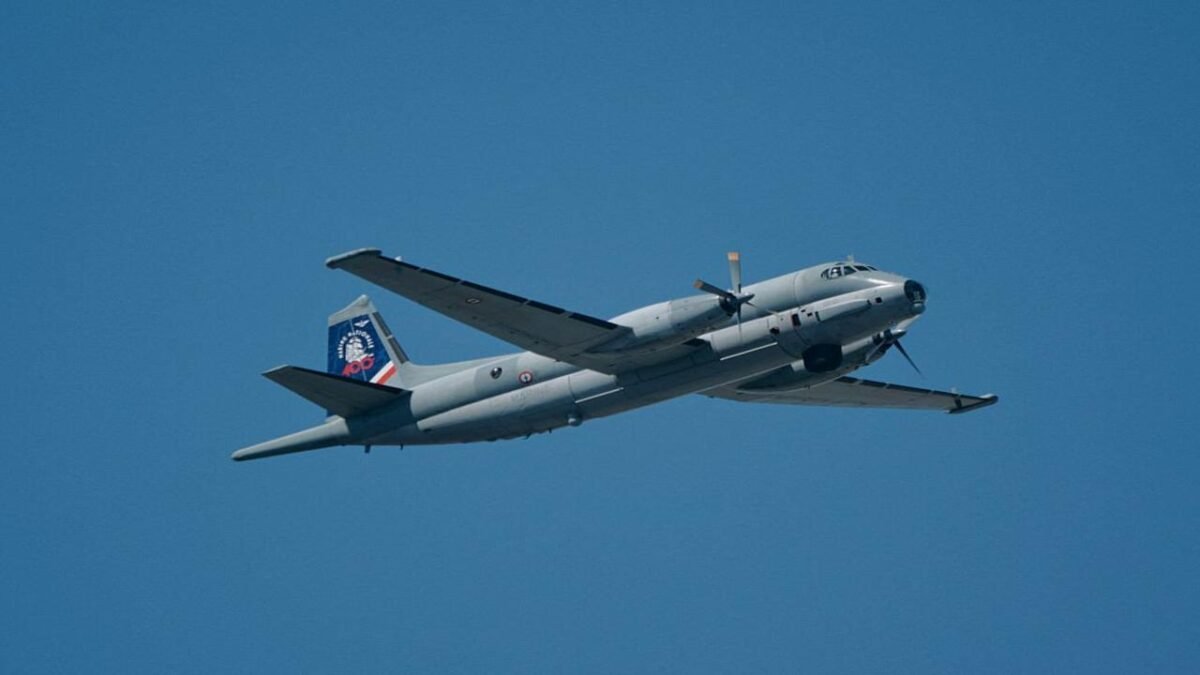
France has deployed a patrol aircraft to the Black Sea, marking a significant escalation in NATO’s surveillance posture following a sharp rise in kinetic threats to merchant vessels. The move comes as regional volatility has resulted in at least eight merchant ships being struck over the past three weeks.
The deployment signals a transition from passive observation to an active, reinforced intelligence-gathering presence in the corridor. While the Romanian Ministry of Defense recently documented a kinetic engagement involving an F-16 fighter intercepting a drone, the French aerial contribution suggests a broader effort to secure the maritime situational awareness required to mitigate regional risks.
Operational implications for operators in the Black Sea are likely to manifest as a tightening of regional security protocols. For charterers and owners, this development underscores that the region is no longer a localized conflict zone but a high-risk operational environment necessitating continuous naval monitoring. While increased surveillance aims to deter aggression, it also serves as a formal acknowledgement by alliance powers that current commercial traffic remains a primary target for drone-based warfare. This creates a difficult calculus for shipowners regarding the viability of existing insurance premiums and crew safety mandates in transit lanes that have become increasingly hostile.