Fortescue & CMB.TECH Drive Zero-Emissions Shipping | Mariner News
In a pivotal move set to redefine the future of global maritime transport, industry giants Fortescue and CMB.TECH have forged a groundbreaking agreement. This strategic partnership aims to significantly accelerate the adoption of zero-emissions shipping solutions, primarily through the deployment of ammonia-capable vessels. This collaboration marks a monumental stride towards decarbonizing the shipping industry, illustrating a tangible commitment to sustainable maritime practices and establishing green ammonia as a viable and leading future marine fuel. The initiative not only highlights the urgent need for action in reducing carbon footprints but also showcases a practical pathway to achieve environmental sustainability within the crucial shipping sector. This is not merely an agreement; it is a blueprint for a cleaner, more sustainable shipping future, setting a precedent for other industry players.
A Landmark Collaboration for Sustainable Maritime Transport
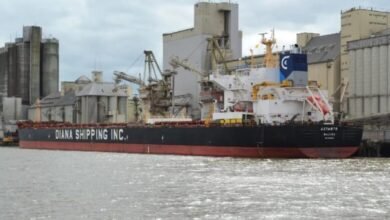
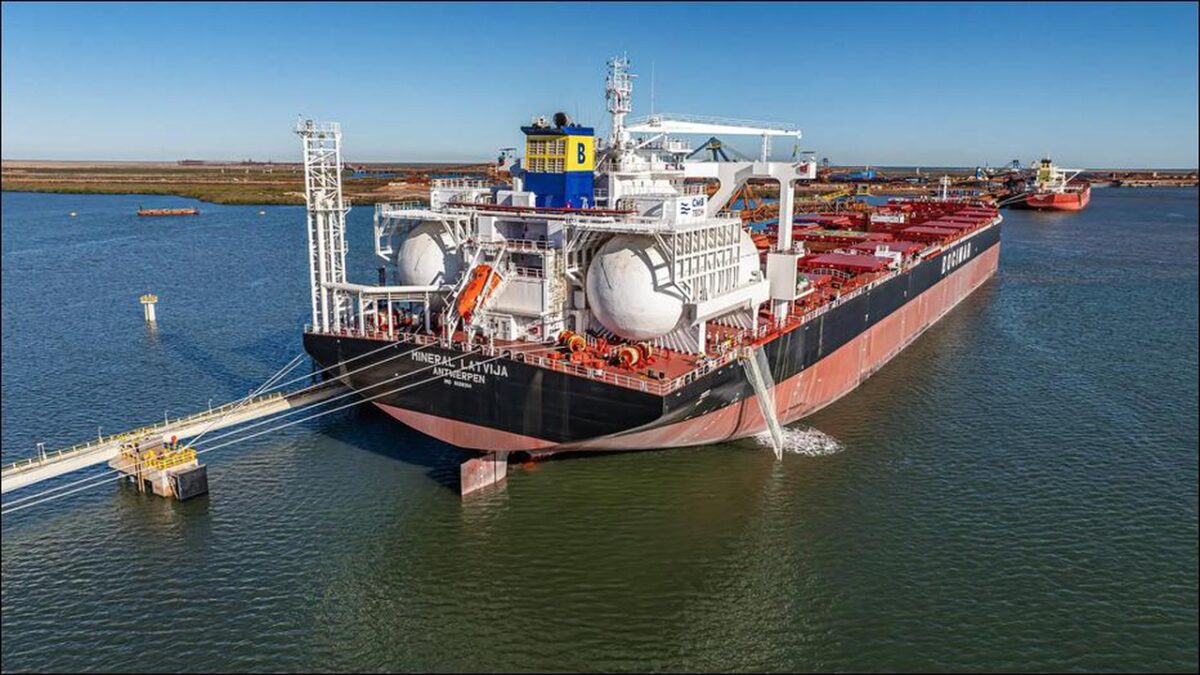
The agreement between Fortescue, a global leader in green energy, technology, and metals, and CMB.TECH, a pioneer in hydrogen and ammonia engine technology, is centered around the charter of up to 12 innovative ammonia-capable vessels. This bold initiative underscores a shared vision for a drastically reduced carbon footprint in maritime operations. Specifically, Fortescue will charter a fleet of 12 Newcastlemax dry bulk vessels, each with a substantial capacity of 210,000 deadweight tonnes (dwt), from Bocimar, CMB.TECH’s dedicated dry bulk shipping operator. This fleet represents a tangible commitment to advancing sustainable shipping solutions and integrating advanced maritime decarbonization technologies directly into active commercial operations.
The implications of this partnership extend far beyond the immediate commercial benefits. It sends a strong signal to the entire global shipping ecosystem that green ammonia is not just a theoretical alternative but a practical and scalable solution for cleaner fuel. By investing in these cutting-edge vessels, Fortescue and CMB.TECH are not only meeting stringent environmental regulations but are actively shaping the future landscape of ocean freight, demonstrating that economic viability and environmental responsibility can coalesce. This significant investment in ammonia-capable vessels is a clear indicator of the partners’ dedication to pioneering the energy transition within shipping, transforming the dry bulk sector into a beacon of environmental progress.
Unpacking the Ammonia-Capable Fleet: Technology and Impact
The strategic deployment plan for these 12 Newcastlemax dry bulk carriers is meticulously designed to maximize their impact on reducing emissions. Up to three of these advanced vessels are slated for delivery with state-of-the-art dual-fuel ammonia engines. These pioneers of clean shipping technology are expected to enter service by the close of 2026, marking a rapid transition from agreement to operational reality. The remaining nine vessels in the fleet will be delivered as ammonia-ready, meaning they are designed with the necessary infrastructure and specifications to be seamlessly converted to operate on ammonia fuel in the future, providing crucial flexibility and long-term sustainability options for Fortescue’s extensive shipping needs.
The environmental benefits projected from this future fuels initiative are substantial. If the entire fleet is powered by green ammonia, the combined operations could achieve an estimated reduction of approximately 250,000 tonnes of carbon dioxide emissions annually. This impressive figure represents a significant step towards mitigating climate change impacts associated with conventional marine fuels and underscores the transformative potential of green ammonia as a carbon reduction strategy. This commitment to innovative technology showcases a proactive approach to environmental stewardship, setting a new benchmark for eco-friendly shipping within the global supply chain. The phased introduction of dual-fuel and ammonia-ready ships demonstrates a pragmatic and forward-thinking strategy for fleet modernization and emission reduction.
Fortescue’s Vision: Driving Action in Maritime Decarbonization
Fortescue’s dedication to accelerating the energy transition is clearly articulated through this agreement. Katie Charuga, Fortescue Director Integrated Operations, emphasized the urgency, stating, “The shipping industry doesn’t need more talk. It needs action.” This powerful sentiment encapsulates Fortescue’s proactive approach to addressing the environmental challenges facing the maritime sector. The company’s philosophy is centered on implementing practical, impactful solutions that pave the way for a sustainable future, positioning green ammonia as one of the clearest and most effective pathways to substantially reduce carbon dioxide emissions from shipping operations.
Fortescue’s strategic investment in these ammonia-powered vessels is not merely a corporate decision; it is a statement of intent to lead by example. By actively backing new technologies and collaborating with partners who are committed to pioneering innovation, Fortescue is playing a crucial role in de-risking and accelerating the adoption of clean energy solutions across the entire value chain. This forward-thinking approach is integral to Fortescue’s broader mission of achieving net-zero emissions, extending its commitment beyond its operational boundaries to influence and transform the wider industrial landscape, thereby fostering greater environmental sustainability throughout global trade routes.
The Strategic Role of Green Ammonia in Shipping’s Future
Green ammonia has emerged as a frontrunner among future marine fuels due to its inherent advantages and potential for zero-carbon emissions at the point of use. Produced using renewable energy sources, green ammonia offers a pathway to completely eliminate greenhouse gas emissions from ship engines, a critical factor in achieving the International Maritime Organization’s ambitious decarbonization targets. Its high energy density makes it an efficient fuel for long-haul voyages, a vital characteristic for the global shipping industry. Moreover, the existing infrastructure for ammonia production, storage, and transportation, albeit needing significant upgrades for green applications, provides a foundational advantage over other nascent alternative fuels.
While the promise of green ammonia is immense, its widespread adoption also presents challenges that the industry is actively addressing. These include the need for robust safety protocols for handling ammonia, which is toxic, and the development of comprehensive bunkering infrastructure at key global ports. Regulatory frameworks must also evolve to support the safe and efficient operation of ammonia-fueled vessels. Despite these hurdles, the collaborative efforts exemplified by Fortescue and CMB.TECH demonstrate a concerted drive to overcome these challenges, recognizing that the long-term benefits of clean shipping far outweigh the initial investments and complexities. Continued research and development are crucial to optimizing engine performance and reducing operational costs associated with this innovative fuel, bolstering the maritime energy transition.
Broader Industry Implications and the Path Forward
The partnership between Fortescue and CMB.TECH serves as a powerful catalyst for the broader maritime industry. Such high-profile agreements encourage other shipping companies, technology providers, and logistics firms to accelerate their own decarbonization efforts and explore alternative marine fuels. It fosters a competitive environment where innovation thrives, leading to faster development and deployment of eco-friendly shipping solutions. This positive feedback loop is essential for achieving the scale required to make a meaningful impact on global emissions, pushing the entire sector towards greater environmental responsibility and innovation.
The commitment to zero-emissions shipping also necessitates significant investment in green infrastructure, including facilities for green ammonia production, storage, and distribution networks. This creates new economic opportunities and jobs within the burgeoning green economy. Governments and international bodies have a crucial role to play in supporting this transition through policy incentives, regulatory harmonization, and funding for research and development. The collective efforts of industry pioneers, policymakers, and technological innovators will ultimately determine the pace and success of the maritime energy transition, shaping a more sustainable future for global trade and protecting our planet for generations to come.
In conclusion, the strategic agreement between Fortescue and CMB.TECH represents more than just a commercial deal; it is a beacon of hope and a practical demonstration of leadership in the global quest for zero-emissions shipping. By embracing green ammonia and investing in cutting-edge ammonia-capable vessels, these two entities are not merely reacting to environmental pressures but actively forging a sustainable path forward. This partnership is a testament to what can be achieved when innovation, commitment, and collaboration converge to tackle one of the most pressing challenges of our time. The journey towards a fully decarbonized maritime sector is complex, but with such visionary collaborations, the horizon looks increasingly green.