Former Maersk Chief Kolding Exits Danish Ship Finance Chair | Mariner News
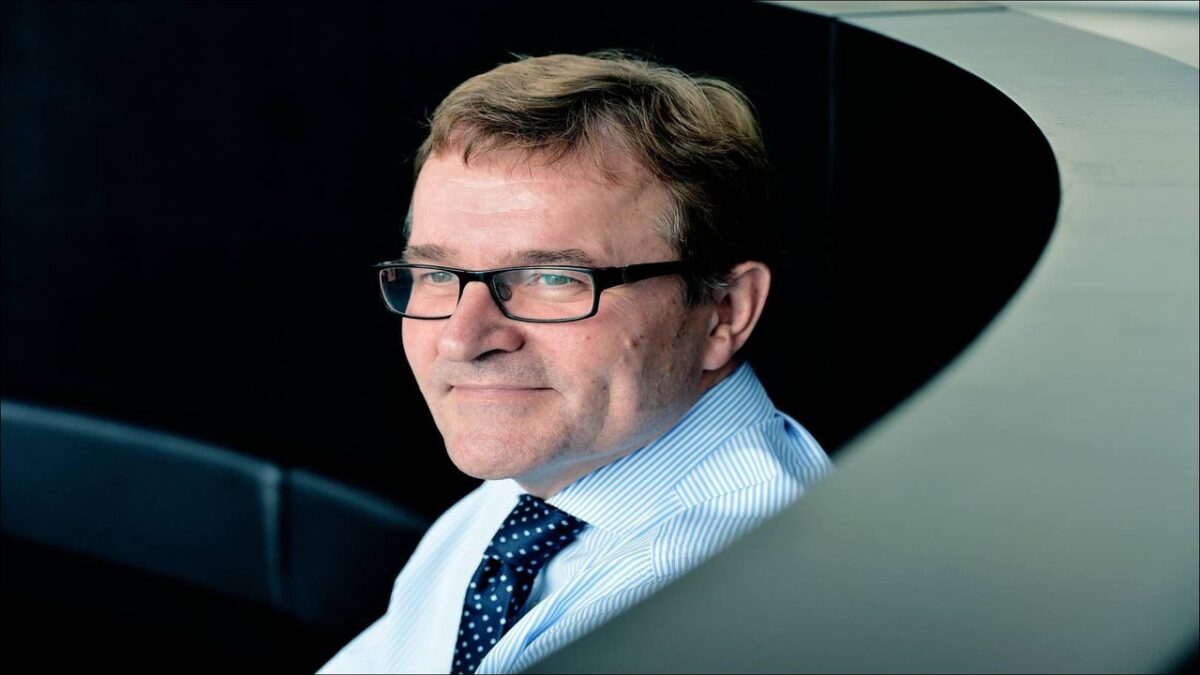
In a significant development within the global maritime finance sector, Eivind Kolding, a prominent figure and former chief executive of shipping giant Maersk, has announced his decision to step down as the Danish Ship Finance chairman. After a distinguished tenure of ten years at the helm of the board of directors, Kolding will not seek re-election, marking the end of an era for the venerable Danish financial institution. This leadership transition signals a pivotal moment for Danish Ship Finance, as it prepares to welcome Christian Frigast, the current chairman of the private equity fund Axcel, into the crucial role. The move is expected to usher in a new strategic chapter, influencing the direction of maritime lending and investment in a rapidly evolving global shipping industry. The departure of such an influential leader from a key shipping bank invariably draws attention to the institution’s future trajectory and its continued relevance in facilitating critical financial flows for the shipping sector worldwide.
A Decade of Leadership: Eivind Kolding’s Tenure at Danish Ship Finance
Eivind Kolding’s ten years as Danish Ship Finance chairman were characterized by a steady hand navigating complex financial waters and significant industry shifts. Joining the board after a high-profile career at A.P. Møller – Maersk, where he served as CEO of Maersk Line and later as CEO of Saxo Bank, Kolding brought a wealth of experience in corporate management, international finance, and the nuances of global trade. His leadership period coincided with considerable volatility in the maritime sector, including the aftermath of the 2008 financial crisis, fluctuating freight rates, and the imperative for environmental sustainability.
Under his guidance, Danish Ship Finance continued its crucial role as a specialized lender to the shipping industry, providing essential capital for vessel acquisition, fleet modernization, and operational expansion. Kolding was instrumental in maintaining the bank’s stability and strategic focus, ensuring its robust position amidst challenging economic cycles. He oversaw initiatives that helped solidify Danish Ship Finance’s reputation as a reliable and knowledgeable partner for shipowners globally, adapting to changing market dynamics while upholding sound financial principles. His legacy is one of resilience and strategic foresight, preparing the institution for future challenges and opportunities in maritime finance.
During his chairmanship, Kolding emphasized prudent risk management and sustainable growth, understanding the cyclical nature of the shipping market. His deep understanding of the global logistics and container shipping landscape, garnered from his extensive career with Maersk, provided invaluable insights into the needs and challenges faced by the bank’s clientele. This operational perspective allowed Danish Ship Finance to tailor its financial products and services more effectively, supporting various segments of the maritime economy. The institution’s consistent performance throughout his tenure is a testament to the robust governance and strategic vision implemented under his experienced board leadership.
The Succession: Christian Frigast Steps Up
The search for a new chairman following Kolding’s decision to step down has concluded with the appointment of Christian Frigast, an accomplished figure in the world of private equity and investment. Frigast currently chairs Axcel, one of the leading private equity funds in the Nordics, and his extensive background in corporate finance, strategic investments, and business development positions him uniquely to lead Danish Ship Finance. His transition from the private equity realm to the specialized shipping finance sector brings a fresh perspective and potentially new strategic approaches to the board of directors.
Frigast’s experience at Axcel involves identifying growth opportunities, managing complex portfolios, and driving value creation across diverse industries. This expertise will be invaluable for Danish Ship Finance as it navigates the evolving demands of the global shipping industry, including the push towards decarbonization, digital transformation, and shifts in global trade patterns. His appointment signals a forward-looking approach, emphasizing financial acumen and strategic agility in an increasingly competitive and regulated environment. The board’s decision reflects a desire to inject new energy and innovative thinking into the institution’s top leadership.
The handover from Kolding to Frigast is a carefully managed process, designed to ensure continuity and a smooth transition of leadership. Stakeholders in the maritime and financial communities will be closely watching how Frigast’s background in private equity influences Danish Ship Finance’s strategic direction, particularly in terms of investment philosophy, risk appetite, and potential for diversification. His leadership will be critical in maintaining the bank’s strong market position and its ability to attract and deploy capital effectively in the dynamic shipping sector. The institution is poised for an exciting period of strategic evolution under his guidance.
Danish Ship Finance: A Pillar in Maritime Investment
Danish Ship Finance plays a critical role as a dedicated shipping bank, providing specialized financial services vital to the global maritime industry. For decades, it has served as a cornerstone for shipowners and operators, offering financing solutions for new builds, vessel acquisitions, and refinancing existing fleets. Its deep sector knowledge, coupled with robust financial capabilities, allows it to support complex projects and contribute significantly to the growth and modernization of the global shipping fleet. The institution’s commitment to understanding the intricacies of the various shipping segments – from tankers and bulk carriers to container ships and specialized vessels – underscores its importance.
In a world increasingly reliant on sea-borne trade, the stability and strategic vision of financial institutions like Danish Ship Finance are paramount. They facilitate the enormous capital expenditures required for maritime assets, which in turn support global supply chains and economic activity. The bank’s ability to provide tailored financial products, coupled with its expertise in market analysis and risk assessment, makes it an indispensable partner for companies operating in this capital-intensive industry. Its strong relationships with clients and stakeholders are built on trust, transparency, and a shared understanding of the long-term investment cycles inherent in shipping.
The institution’s continued focus on responsible lending and sustainable practices is becoming increasingly important as the industry grapples with environmental regulations and the transition to greener fuels. Danish Ship Finance is at the forefront of supporting initiatives that promote environmental sustainability within shipping, aligning its financial offerings with the industry’s broader goals for decarbonization. This strategic emphasis not only mitigates risks but also opens up new avenues for investment in eco-friendly maritime technologies and practices, solidifying its role as a progressive and responsible financial player in the maritime ecosystem.
The Broader Impact: Maersk Legacy and Industry Outlook
Eivind Kolding’s departure from Danish Ship Finance inevitably invites reflection on the interconnectedness of leadership figures across major maritime organizations. His background as a former Maersk chief meant he brought a unique blend of operational shipping experience and high-level corporate governance to the financial institution. This fusion of insights often translated into a deeper understanding of client needs and broader industry trends, benefiting the bank’s strategic decision-making and its ability to respond effectively to market shifts. The Maersk legacy he carried symbolized a deep connection to the practical realities of global logistics and trade.
The transition prompts questions about how the maritime finance landscape might evolve. While Kolding’s direct influence will cease, the strong foundations he helped build at Danish Ship Finance remain. The institution’s robust policies and strategic frameworks are designed to endure leadership changes, ensuring continuity in its core mission. However, any change at the top of such a pivotal organization can subtly shift the focus, influencing how capital is allocated and which segments of the shipping industry receive priority attention. The broader industry will observe closely for any signs of altered strategic direction or investment priorities under new leadership, particularly concerning emerging technologies and environmental initiatives.
Furthermore, Kolding’s tenure bridged periods of significant digital transformation and growing environmental awareness within shipping. His leadership ensured that Danish Ship Finance remained adaptable, recognizing the need to support innovation while maintaining financial prudence. The move signifies a natural progression in leadership, allowing the institution to continue leveraging diverse expertise to meet the demands of a dynamic global shipping sector. The impact of leaders with such extensive industry experience resonates beyond their direct roles, shaping the intellectual and strategic currents within the broader maritime community for years to come.
Strategic Outlook Under New Leadership
With Christian Frigast taking over as Danish Ship Finance chairman, the institution is poised for a period of strategic recalibration and renewed focus. Frigast’s extensive background in private equity, particularly his experience with identifying high-growth opportunities and navigating complex financial landscapes, suggests a potential emphasis on optimizing capital allocation, enhancing operational efficiency, and exploring new avenues for value creation within the shipping finance sector. His leadership is likely to bring a disciplined, results-oriented approach, typical of private equity management, which could foster innovation in funding models and client engagement.
Frigast will face a myriad of challenges and opportunities. The global shipping industry is at a crossroads, contending with ambitious decarbonization targets, technological disruptions, and shifting geopolitical dynamics. Danish Ship Finance, under his guidance, will need to strategically position itself to finance the transition to greener shipping, invest in digital solutions, and adapt to evolving regulatory frameworks. His experience in managing diverse investment portfolios could prove invaluable in diversifying the bank’s offerings and mitigating risks associated with sector-specific downturns, ensuring its long-term resilience and profitability.
Looking ahead, stakeholders will anticipate how Frigast’s leadership will influence the bank’s engagement with various shipping segments and its role in fostering sustainable growth. His strategic vision will be critical in maintaining Danish Ship Finance’s reputation as a leading specialized lender while simultaneously adapting to the future demands of maritime commerce. The effective stewardship of this vital financial institution under Christian Frigast will undoubtedly shape a significant portion of the global shipping industry’s financial future, reinforcing its commitment to supporting a robust and sustainable maritime ecosystem for decades to come.