FMC Reports Surge in Chinese Detentions of Panama Vessels | Mariner News
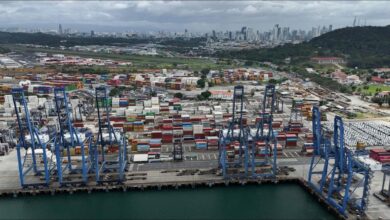
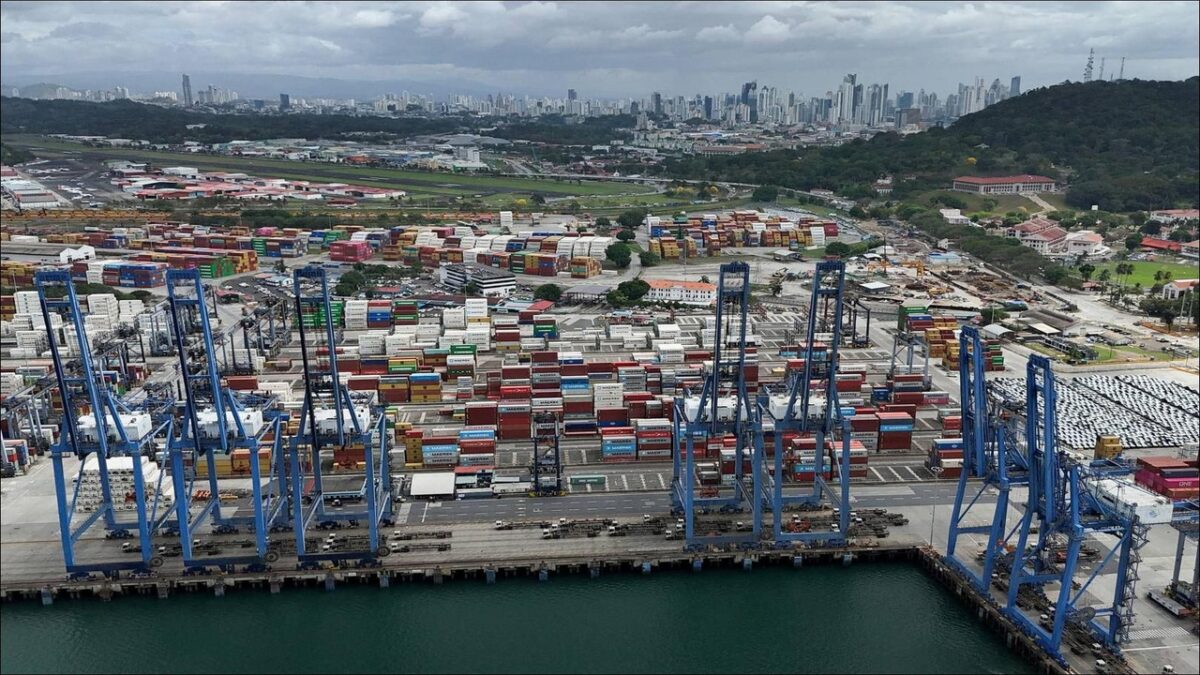
The US Federal Maritime Commission (FMC) has raised alarms over a significant and unusual surge in Chinese detentions of Panama-flagged vessels, a development that is sending ripples of concern throughout the international maritime community. This uptick in inspections and subsequent detentions appears intrinsically linked to the Panamanian government’s recent decision to revoke the port operating contracts of Chinese-owned CK Hutchison at two critical terminals along the Panama Canal. This geopolitical maneuver, which saw Maersk’s port operator APM Terminals and MSC’s Terminal Investment Limited (TiL) step in as interim operators, has ignited a complex maritime dispute with far-reaching implications for global shipping and trade. The FMC’s report underscores a potential escalation in trade tensions, with vessel inspections being leveraged as a form of economic or diplomatic pressure, directly affecting the operational fluidity and predictability of vessels flying the Panamanian flag. As a vital artery for international commerce, the Panama Canal’s stability and the unimpeded passage of vessels through its waters are paramount to global supply chains, making these Chinese detentions of Panama-flagged vessels a critical issue demanding immediate attention and analysis from industry stakeholders and policymakers alike.
Escalating Tensions: The FMC’s Alarming Findings
The US Federal Maritime Commission’s detailed report sheds light on an alarming trend: an “unusually high number” of inspections by Chinese authorities targeting vessels registered under the Panamanian flag. These inspections, often preceding detentions, are not merely routine port state control measures; their frequency and timing strongly suggest a deliberate response to the unfolding situation in Panama. The FMC, responsible for regulating the nation’s international ocean transportation system, views these actions with grave concern, recognizing their potential to disrupt established shipping routes and create significant economic hurdles for vessel operators. This pattern of heightened scrutiny has created an environment of uncertainty for shipowners and charterers utilizing Panama as a flag state, compelling a re-evaluation of risk and operational strategies when transiting through or docking at Chinese ports.
The increase in these maritime incidents points towards a tit-for-tat dynamic, where geopolitical disputes translate directly into operational challenges for the global fleet. The FMC’s analysis implicitly connects these actions to the broader context of maritime trade relations and national interests. This is not just a commercial dispute; it carries undercurrents of international relations, potentially signaling a strategic leveraging of port state control powers to exert pressure on Panama and, by extension, other nations involved in the Panama Canal’s operations. The implications extend beyond immediate delays, threatening the delicate balance of international maritime law and the principle of freedom of navigation for commercial vessels.
The Panama Canal Dispute: A Geopolitical Chessboard
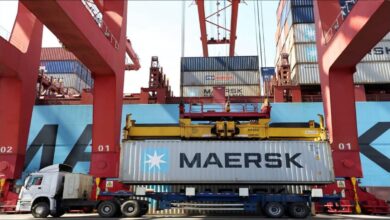
At the heart of the current maritime tension lies Panama’s Supreme Court ruling, which led to the cancellation of CK Hutchison’s port operating contracts. This decision effectively ousted the Chinese-owned conglomerate from managing two key terminals at the Panama Canal, a move that reverberated through diplomatic and commercial circles globally. The subsequent appointment of industry giants APM Terminals (a Maersk subsidiary) and Terminal Investment Limited (TiL, associated with MSC) as interim operators has shifted the operational landscape of this vital waterway, introducing new commercial dynamics and geopolitical alignments.
The Panama Canal, a strategic choke point in global maritime trade, facilitates approximately 5% of all world trade. Its control and operational efficiency are therefore of immense importance to international commerce and national security interests. The displacement of CK Hutchison, a company with deep ties to Beijing, from such a critical infrastructure asset is a significant geopolitical development. It represents a potential recalibration of influence in the region, affecting China’s strategic footprint in Latin America and its access to crucial maritime infrastructure, leading directly to the current situation of heightened scrutiny on vessels flying the Panamanian flag.
This dispute underscores the growing competition for control over global trade arteries. While Panama asserts its sovereign right to manage its national assets, the reaction from China, as evidenced by the Panama-flagged vessels detentions, suggests a perceived challenge to its economic and strategic interests. The situation highlights how commercial decisions, particularly those involving critical infrastructure, can quickly escalate into broader geopolitical confrontations, impacting the everyday operations of the shipping industry.
Impact on Global Shipping and Supply Chains
The escalating number of Chinese detentions poses a direct threat to the efficiency and reliability of global shipping routes, particularly impacting the container shipping sector. Each detention translates into significant operational delays, increased fuel consumption, higher crew costs, and potential penalties for missed delivery windows. Such disruptions cascade through the supply chain, affecting manufacturers, distributors, and ultimately, consumers worldwide. For vessels involved in trans-Pacific trade, which frequently utilize the Panama Canal, the uncertainty introduced by these detentions necessitates immediate risk assessment and contingency planning.
Shipping companies, already navigating a complex landscape of fluctuating demand, geopolitical instability, and environmental regulations, now face an additional layer of unpredictability. The financial implications are substantial, including potential demurrage charges at ports, claims from cargo owners for delayed shipments, and higher insurance premiums due to increased risk. This situation forces carriers to consider alternative routes or flag states, which could further exacerbate costs and logistical complexities, directly impacting the profitability and operational stability of the maritime industry.
The current climate of uncertainty also undermines the principle of predictable and secure maritime passage, which is fundamental to global trade. It encourages a fragmented approach to international shipping, where political tensions dictate the flow of goods rather than economic efficiency. The long-term effects could include a re-evaluation of global supply chain strategies, with companies seeking to diversify their routes and logistics partners to mitigate exposure to such geopolitical flashpoints, thus impacting the efficiency of global maritime transport.
Legal and Economic Repercussions for Maritime Stakeholders
The legal framework surrounding vessel detentions under international maritime law is complex, but the current pattern of detentions appears to extend beyond typical port state control mandates, venturing into areas of economic coercion. Shipowners and operators of Panama-flagged vessels face immediate legal challenges, including potential fines, extended port stays, and the administrative burden of resolving inspection-related issues. The Panamanian flag is one of the world’s largest, making its vessels a frequent target, exacerbating the impact across a wide segment of the global fleet.
Economically, the repercussions are severe. Beyond the direct costs of delays and potential damages, there’s a significant hit to reputation and market confidence. Companies might find it challenging to secure favorable charters or insurance terms for vessels flying the Panamanian flag, perceiving them as higher risk. This could lead to a broader economic strain on Panama itself, as shipowners might reconsider their flag state registration, impacting the nation’s vital maritime revenue streams. The ongoing claim by CK Hutchison against Panama, reportedly exceeding USD 2 billion, further complicates the economic landscape, indicating significant financial liabilities stemming from the original dispute.
This scenario highlights the vulnerability of the maritime sector to geopolitical machinations. While international conventions aim to ensure safe and predictable shipping, the selective application of port state control measures based on political motivations can undermine these principles. Maritime stakeholders, from flag states to individual shipowners, must navigate this intricate web of legal obligations and economic pressures, advocating for adherence to international maritime law to ensure fair treatment and stability for all commercial shipping operations.
Navigating Future Uncertainties in Maritime Trade
The current standoff concerning Chinese detentions of Panama-flagged vessels underscores a critical need for diplomatic engagement to de-escalate tensions and ensure the smooth flow of global maritime trade. Without a swift resolution, the maritime industry could face prolonged instability, affecting everything from shipping schedules to freight rates. Diplomatic channels between Washington, Beijing, and Panama City are crucial to finding a mutually acceptable path forward that respects national sovereignty while upholding the principles of open and predictable international shipping.
For shipping companies, strategic planning in this volatile environment becomes paramount. This includes diversifying flag states where feasible, carefully assessing the risks associated with particular routes and port calls, and strengthening relationships with port authorities and customs officials to anticipate and mitigate potential issues. Investing in robust legal and compliance teams capable of navigating complex international maritime regulations and geopolitical challenges is also essential. The ability to quickly adapt to changing geopolitical landscapes will define resilience in the modern shipping industry.
Looking ahead, the incident at the Panama Canal and the subsequent detentions may serve as a harbinger of a new era in global maritime affairs, where economic and political rivalries increasingly play out on the seas. This calls for a renewed focus on multilateral cooperation, transparency in port state control, and the strengthening of international maritime governance to safeguard the integrity of global supply chains. The stability of maritime operations is not just an economic imperative; it is a foundation for global peace and prosperity, necessitating a collective commitment to resolving disputes through dialogue rather than disruption. The future of maritime trade depends on our ability to navigate these complex geopolitical waters with foresight and collaboration.