Final MSC Baltic III hull section pulled ashore in Newfoundland

Resolve Marine and the Canadian Coast Guard complete the removal of the MSC Baltic III hull, but site remediation will continue until 2027.
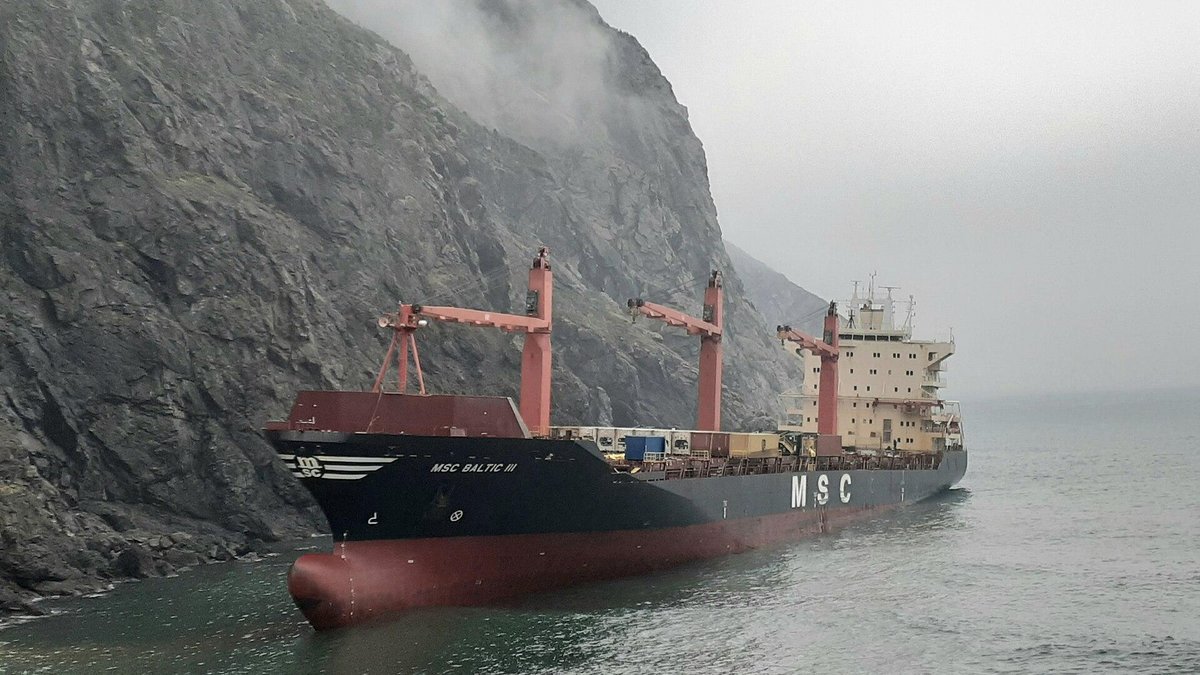
The Canadian Coast Guard and Resolve Marine pulled the final section of the wrecked containership MSC Baltic III ashore on November 27. The operation to remove the hull sections took approximately four months, following the earlier removal of the vessel’s accommodation block, cargo hatches, and gear.
The 33,767-dwt vessel grounded in Cedar Cove, a remote area west of Corner Brook, after a blackout during a storm on February 15, 2025. Salvors used large chain pulls to move the 679-foot vessel forward before bringing sections onto the shore to be cut and trucked away for recycling. The operation removed 11,000 tons of steel, 472 containers, and 1,700 metric tonnes of bulk fuel.
Why it matters
The completion of the hull removal ends the most volatile phase of a salvage operation that has occupied Resolve Marine and the Canadian Coast Guard for most of 2025. For shipowners and insurers, the MSC Baltic III serves as a case study in the extreme costs of remote wreck removal. When a vessel grounds in a location like Cedar Cove, the logistical burden of trucking 11,000 tons of steel out of a wilderness area replaces the simpler task of a blue-water refloat.
The operation also demonstrates the persistent nature of environmental liability. Although the Coast Guard reported minimal pollution during the salvage, it stated that the threat remains until the final portion of the wreck is dismantled and removed. This means the risk to the marine environment does not end when the ship leaves the water; it continues as long as the scrap remains on the shoreline.
The timeline for this incident is exceptionally long. With site remediation not scheduled to begin until 2027, the MSC Baltic III will remain a line item on balance sheets and a presence on the Newfoundland coast for at least two more years. This multi-year tail is the reality for any owner operating in sensitive or remote regions where severe winter weather can fracture a hull before a salvage team can finish its work.
What to watch
The start of site remediation in 2027 will be the final trigger for closing the environmental chapter of the grounding.