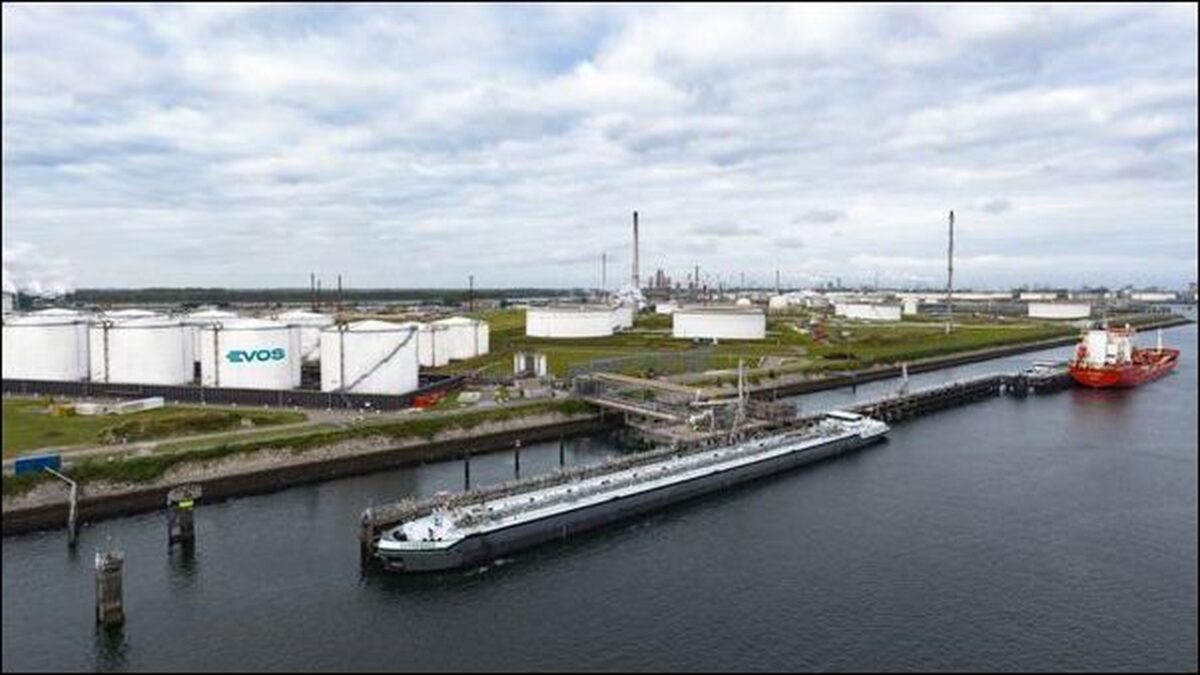
Evos Expands Methanol & Ethanol Storage in Rotterdam | Mariner News
The global shipping industry is at a pivotal juncture, grappling with the urgent need to decarbonize its operations and embrace sustainable energy solutions. In a significant move set to bolster Europe’s position in the green energy transition, Evos Rotterdam is embarking on a major expansion of its terminal, specifically targeting the increased demand for methanol and ethanol storage in Rotterdam. This strategic investment not only underscores the growing importance of these versatile chemicals but also reinforces the Port of Rotterdam’s ambition to become a leading hub for low-emission marine fuels and industrial feedstocks, driving significant change across the maritime sector and beyond. The expansion will add substantial new capacity, critical for supporting the shift towards a more environmentally friendly future in global commerce.
Driving the Green Transition: Methanol and Ethanol as Future Fuels
The maritime sector faces stringent regulations from organizations like the International Maritime Organization (IMO) to reduce greenhouse gas emissions. Methanol and ethanol have emerged as frontrunners in the race for cleaner marine fuels, offering a viable pathway to significant emission reductions. Methanol, in particular, is gaining traction as a lower-emission alternative to conventional bunker fuels. When produced from sustainable sources, often referred to as bio-methanol or e-methanol, it can significantly reduce carbon dioxide, sulfur oxides, nitrogen oxides, and particulate matter emissions, contributing directly to improved air quality in port areas and along shipping routes. Its liquid state at ambient temperatures makes it easier to handle and store compared to cryogenic fuels like LNG, simplifying bunkering operations and infrastructure development.
Ethanol, especially bio-ethanol, similarly offers a compelling case as a renewable energy carrier and chemical feedstock. Derived from biomass, bio-ethanol provides a sustainable option for various industrial applications and also holds potential as a blend-in or standalone marine fuel, further diversifying the portfolio of green energy solutions available to the shipping industry. The flexibility of these liquid fuels allows for relatively straightforward integration into existing vessel designs or new builds equipped with dual-fuel engines, accelerating their adoption across different segments of the global fleet. The increasing investment in their production and infrastructure highlights their critical role in achieving the ambitious decarbonization targets set for the coming decades.
Their biodegradability and lower toxicity compared to heavy fuel oil also present environmental advantages in the event of a spill, further cementing their appeal as preferred marine fuel alternatives. As the energy landscape evolves, the ability to store and distribute these advanced biofuels efficiently becomes paramount. Evos Rotterdam’s expansion directly addresses this burgeoning need, ensuring that the supply chain can keep pace with the escalating demand from shipping lines and industrial consumers committed to sustainability. This forward-looking approach positions Rotterdam at the forefront of the global energy transition, ready to fuel the next generation of maritime transport.
Evos Rotterdam’s Strategic Expansion: Capacity and Infrastructure
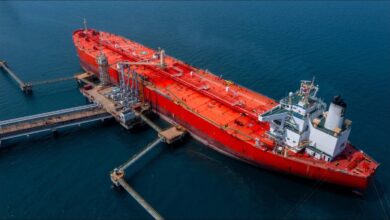
Evos Rotterdam’s ambitious project involves a substantial increase in its storage capabilities within the strategically vital Europoort area of the Port of Rotterdam. The company plans to introduce five new tanks, designed specifically for the safe and efficient handling of bio-methanol and bio-ethanol. These state-of-the-art tanks will collectively add approximately 67,500 cubic meters of storage capacity, a significant boost to the terminal’s existing infrastructure which currently comprises 21 tanks with roughly 260,000 cubic meters of capacity. This expansion reflects a clear commitment to investing in the infrastructure necessary to support the broader adoption of these sustainable fuels.
To facilitate the increased cargo movements and optimize operational logistics, the Port of Rotterdam Authority will construct a new quay. This essential piece of infrastructure will include an additional inland shipping berth, enhancing the terminal’s ability to handle a greater volume of vessels and ensuring seamless distribution of methanol and ethanol. Crucially, the new quay will also integrate shore power facilities, a forward-thinking provision that allows berthed vessels to switch off their auxiliary engines and connect to the port’s electricity grid, thereby reducing local emissions and noise pollution. This commitment to sustainable port operations aligns perfectly with the broader environmental goals of the project.
The development of the new quay, a cornerstone of this infrastructure upgrade, is expected to reach completion in the first quarter of 2028. This timeline allows for comprehensive planning and construction, ensuring that the facilities are robust, efficient, and meet the highest safety standards required for handling these essential energy carriers. The combined efforts of Evos and the Port of Rotterdam Authority demonstrate a powerful public-private partnership aimed at creating a world-class hub for advanced biofuels, securing the region’s competitive edge in the evolving global energy market. This collaborative approach is vital for overcoming the complexities associated with large-scale energy infrastructure projects.
Port of Rotterdam: A Global Hub for Sustainable Bunkering
The Port of Rotterdam, already Europe’s largest port and a traditional energy gateway, is proactively positioning itself as a pivotal international hub for sustainable marine fuels. The Evos expansion for methanol and ethanol storage is a testament to this strategic vision. The Port Authority actively fosters an environment conducive to innovation and investment in green energy solutions, understanding that a strong, supportive infrastructure is key to attracting global players and accelerating the energy transition. Their involvement in building critical supporting infrastructure, such as the new quay, underscores their commitment to this goal.
Rotterdam’s extensive existing infrastructure, deep-water access, and excellent connectivity to inland waterways and European industrial centers make it an ideal location for such a development. Its robust logistical networks enable efficient distribution of fuels and feedstocks across the continent and beyond. This strategic geographic advantage, combined with a forward-thinking policy framework, allows Rotterdam to serve as a vital link in the supply chain for low-emission fuels, ensuring reliability and accessibility for the global maritime fleet. The port’s role extends beyond mere logistics; it is actively shaping the future of maritime energy.
The port’s comprehensive approach includes not only facilitating storage and bunkering but also promoting the production of green hydrogen and its derivatives, which are crucial for sustainable methanol production. By integrating various aspects of the green energy value chain, Rotterdam aims to create a holistic ecosystem that supports the entire lifecycle of sustainable fuels, from production to consumption. This integrated strategy solidifies its reputation as a leading port committed to environmental stewardship and economic growth, setting a benchmark for other global ports to follow in the pursuit of decarbonization.
Economic and Environmental Impact: Shaping the Future of Shipping
The Evos Rotterdam expansion is set to deliver substantial economic and environmental benefits, both locally and globally. Environmentally, the increased availability of methanol and ethanol as marine fuels will directly contribute to a significant reduction in greenhouse gas emissions from shipping activities originating from or calling at Rotterdam. This cleaner bunkering option will help mitigate air pollution in densely populated coastal areas, improving public health and supporting broader climate action goals. The focus on bio-methanol and bio-ethanol emphasizes the drive towards a circular economy, minimizing the environmental footprint of marine fuel production.
Economically, the project strengthens Rotterdam’s position as a vital energy and logistics hub, attracting further investment and fostering job creation in highly skilled sectors. The development of new infrastructure and the expansion of operational capabilities will stimulate local economies, creating new opportunities in construction, engineering, logistics, and port services. Furthermore, by providing reliable access to sustainable fuels, Rotterdam enhances its competitive advantage, offering shipping companies a clear pathway to meet their own decarbonization targets without compromising operational efficiency. This proactive approach ensures the port remains relevant and essential in a rapidly changing global landscape.
Beyond immediate gains, the project has a ripple effect across the entire shipping industry. It sends a clear signal to vessel operators, shipyards, and technology providers that the infrastructure for alternative marine fuels is growing, encouraging further adoption of methanol and ethanol-powered vessels. This accelerates the transition away from fossil fuels, contributing to a more sustainable and resilient global supply chain. The leadership demonstrated by Evos and the Port of Rotterdam serves as a powerful model, inspiring other ports and industry players to invest in similar green initiatives, thereby collectively shaping a cleaner, greener future for international trade.
The Path Forward: Challenges and Opportunities in Alternative Fuels
While the expansion of methanol and ethanol storage in Rotterdam represents a monumental step forward, the journey towards fully decarbonized shipping is not without its challenges. The scalability of sustainable methanol and ethanol production, ensuring it meets the massive demand of global shipping, remains a key focus. Developing cost-effective production methods and establishing robust supply chains for bio-feedstocks are crucial. Furthermore, the standardization of bunkering procedures and the continuous evolution of regulatory frameworks are essential to provide clarity and confidence for shipowners making long-term investment decisions in alternative fuel vessels. Addressing these complexities requires concerted effort from governments, industry players, and technological innovators.
Despite these hurdles, the opportunities presented by alternative marine fuels are immense. Continuous innovation in engine technology, fuel production processes, and digital solutions for optimizing fuel consumption will unlock further efficiencies and cost reductions. Research and development into novel energy carriers, such as ammonia and hydrogen, will also continue to diversify the future fuel mix, providing even more options for various vessel types and operational profiles. The collaboration between industry, academia, and policymakers will be paramount in fostering an ecosystem where these innovations can thrive and be rapidly deployed at scale, accelerating the maritime sector’s sustainability agenda.
Evos Rotterdam’s commitment to expanding its capacity for methanol and ethanol storage exemplifies a proactive approach to seizing these opportunities. By investing in the necessary infrastructure today, they are not only preparing for tomorrow’s energy demands but actively shaping them. This forward-looking strategy positions the Port of Rotterdam as a critical enabler of the global energy transition, providing the vital storage and bunkering facilities that the shipping industry desperately needs to meet its ambitious decarbonization goals. Such strategic investments pave the way for a resilient, sustainable, and economically vibrant maritime future, where cleaner fuels power global trade.
Evos Rotterdam’s significant investment in expanding its methanol and ethanol storage in Rotterdam marks a pivotal moment for the maritime industry’s energy transition. By bolstering critical infrastructure for these low-emission fuels, Evos and the Port of Rotterdam are not only responding to current market demands but are actively pioneering a sustainable future for global shipping. This collaborative effort solidifies Rotterdam’s status as an indispensable hub for green marine energy, setting a powerful precedent for decarbonization across the world.