EU Ship Recycling Laws: Harmonization & Future | Mariner News
Global ship recycling faces a critical challenge: a fragmented legal landscape despite significant international efforts. While rules exist, a ‘governance failure’ often prevents them from connecting effectively where vessel decommissioning actually occurs. This lack of cohesion highlights the urgent need for clearer, harmonized standards to ensure responsible practices worldwide. The EU is playing a pivotal role in pushing for greater alignment, aiming to close this compliance gap and advance maritime sustainability.
Bridging the Global Governance Gap
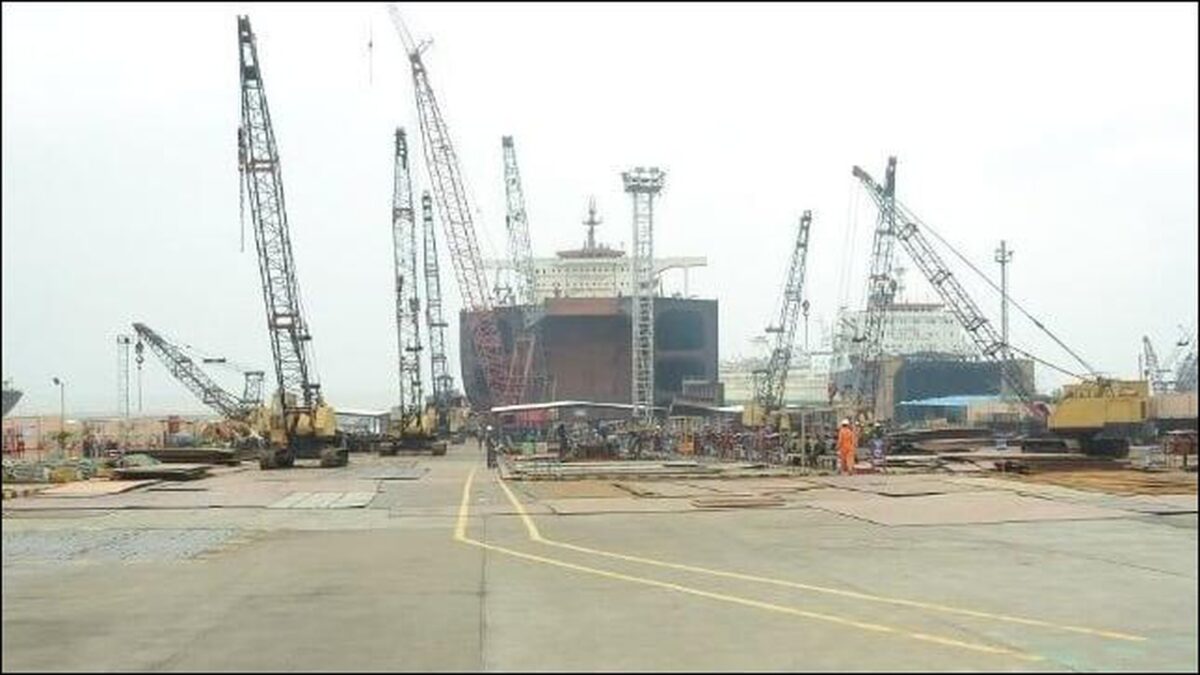
The current system is complex, with varying legal regimes failing to engage with actual ship recycling operations. Countries like India and Bangladesh, which handle nearly 80% of global end-of-life vessels, have made substantial progress. Both nations have ratified the Hong Kong Convention, undertaking extensive reforms to align their domestic frameworks with international sustainability standards. These efforts demonstrate a commitment to improving environmental and safety conditions in vessel decommissioning.
The Future of Sustainable Maritime Practices
EU harmonization seeks to further elevate these global standards, advocating for stricter oversight and promoting green ship recycling practices. The goal is to ensure that ships from EU member states are processed in facilities adhering to stringent environmental and safety criteria, regardless of location. This push encourages significant investments in infrastructure, training, and robust safety systems, ultimately fostering a more responsible maritime industry. Moving forward, continued collaboration and unified regulations are essential for a truly sustainable future in vessel decommissioning.