EU Bolsters Ports with Easier Funding Access | Mariner News
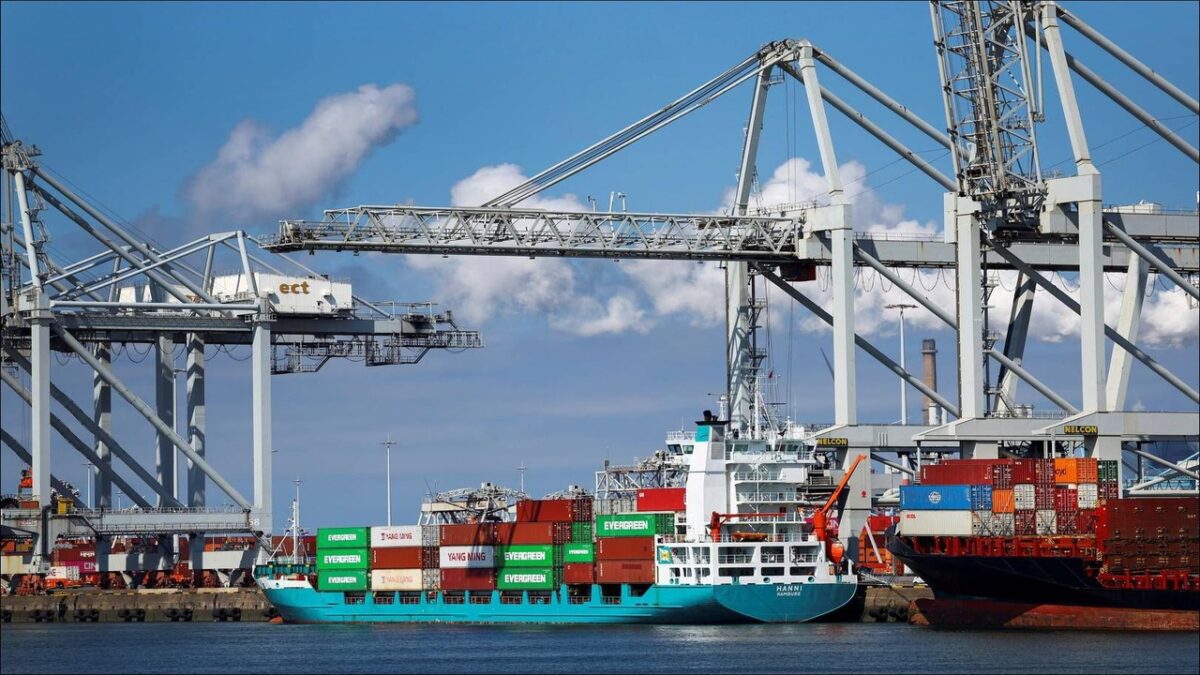
The European Union has unveiled ambitious plans to significantly bolster its extensive network of EU ports by providing easier access to crucial funding. This strategic move is designed to enhance the competitiveness, resilience, and sustainability of European maritime infrastructure, which serves as a vital artery for the continent’s economy and global trade. Recognizing the critical role ports play in maintaining robust supply chains, fostering economic development, and driving the green transition, Brussels is committed to streamlining financial support mechanisms. This initiative aims to address long-standing challenges related to infrastructure modernization, digital transformation, and the urgent need for greener operations across the diverse range of EU ports, from major international hubs to smaller regional gateways.
This concerted effort by the EU signals a clear understanding of the evolving landscape of global logistics and the intensifying competition among port regions worldwide. By facilitating port funding, the Union intends to empower member states and port authorities to undertake essential upgrades and innovative projects that will secure Europe’s position as a leader in maritime transport and logistics. The emphasis is not merely on increasing financial allocations but on making the process of accessing these funds less cumbersome, more efficient, and directly aligned with the strategic objectives of a connected, digital, and environmentally responsible Europe.
The Strategic Imperative: Why European Ports Need Bolstering
European ports are more than just transit points; they are complex multimodal logistics hubs, industrial centers, and gateways to international trade, handling approximately 75% of the EU’s external trade and 35% of its internal trade by volume. Their strategic importance extends to supporting myriad industries, generating employment, and acting as critical nodes in global supply chains. However, many European ports face significant challenges, including aging infrastructure, the need for substantial investments in digitalization, and the imperative to drastically reduce their environmental footprint in line with the European Green Deal objectives. Without sustained and accessible port funding, these vital assets risk falling behind global competitors.
Compounding these issues are the pressures of increasing trade volumes, the requirement for deeper berths and larger handling capacities to accommodate modern mega-vessels, and the growing demand for more efficient and resilient logistics chains, particularly in the wake of recent global disruptions. The need for maritime infrastructure development is paramount, not only to maintain existing trade routes but also to foster new economic opportunities and strengthen regional cohesion. Investment in port infrastructure is an investment in the EU’s economic future, ensuring that European businesses remain competitive on the global stage and that consumers have reliable access to goods.
Furthermore, the ambition to make EU ports climate-neutral by 2050 necessitates significant technological transitions and infrastructure overhauls. This includes the widespread adoption of shore power facilities, the deployment of alternative fuels infrastructure for ships, and the implementation of advanced environmental monitoring systems. These initiatives are capital-intensive, and simplified access to funding is crucial for accelerating the transition to more sustainable and environmentally friendly maritime operations. The EU’s proactive stance on funding for ports underscores its commitment to both economic prosperity and ecological responsibility.
Unlocking Funding: New EU Mechanisms and Policies
To achieve its objectives, the EU is refining existing funding instruments and exploring new mechanisms to ensure easier access to funding for port development. Key financial programs such as the Connecting Europe Facility (CEF), the European Regional Development Fund (ERDF), and the Cohesion Fund are being adapted to better support maritime infrastructure projects. The CEF, in particular, is a cornerstone of the EU’s transport policy, designed to fund projects that improve European transport networks, including EU ports and their hinterland connections. Efforts are underway to simplify application processes, reduce administrative burdens, and provide clearer guidance to project proponents, making it easier for port authorities to secure the necessary financial backing.
Beyond direct grants, the EU is also promoting innovative financing solutions, including blended finance, which combines public funds with private investments. Initiatives like InvestEU aim to mobilize substantial private capital for strategic investments across the Union, including in sustainable transport and digital infrastructure. This approach recognizes that public funds alone may not be sufficient to meet the vast investment needs of European port development. By de-risking investments and providing technical assistance, the EU seeks to attract a wider range of investors to support critical port modernization projects.
Moreover, the EU is emphasizing the importance of integrated planning and cross-border cooperation in port investment strategies. By encouraging projects that contribute to the wider Trans-European Transport Network (TEN-T) and foster synergy with other transport modes (rail, road, inland waterways), the Union aims to maximize the impact of its financial support. This holistic view ensures that investments in individual EU ports contribute to a more efficient and resilient overall European transport system, thereby boosting maritime logistics and ensuring long-term economic benefits.
Investing in Modernization and Green Port Initiatives
The enhanced access to port funding is primarily directed towards driving comprehensive modernization and a robust green transition across European ports. Digitalization is a key focus, with funds earmarked for implementing smart port technologies, automation solutions, and advanced data exchange platforms. These investments will streamline port operations, enhance efficiency, reduce vessel turnaround times, and improve overall supply chain predictability. The goal is to create truly ‘smart’ EU ports that can adapt quickly to changing demands and leverage data for optimized management and decision-making.
Crucially, a significant portion of the funding is dedicated to promoting environmental sustainability and decarbonization within the maritime sector. This includes support for the installation of shore power facilities, allowing vessels to switch off their auxiliary engines while docked, thereby reducing air pollution and noise. Investments will also target the development of infrastructure for alternative fuels, such as LNG, hydrogen, and ammonia, preparing EU ports to accommodate the next generation of greener ships. These green port initiatives are vital for achieving the EU’s ambitious climate targets and for positioning European ports as global leaders in eco-friendly maritime operations.
Furthermore, the funding will facilitate critical infrastructure upgrades, such as deepening navigation channels, expanding terminal capacities for both container and bulk cargo, and enhancing intermodal connections. Improved rail and road links to European ports are essential for efficiently distributing goods to inland markets and enhancing the overall resilience of the supply chain. These strategic investments in port infrastructure are designed to meet future demand, improve operational safety, and ensure that EU ports remain competitive and capable of handling increasing trade volumes efficiently and sustainably.
Economic Impact and Regional Development
The benefits of bolstering EU ports through improved funding access extend far beyond operational efficiencies; they are deeply intertwined with economic growth and regional development. Significant investments in maritime infrastructure are proven catalysts for job creation, both directly within the port sector and indirectly through associated industries like logistics, manufacturing, and services. Modernized and expanded European ports attract new businesses, stimulate local economies, and enhance the overall attractiveness of their surrounding regions for investment. This influx of economic activity helps to strengthen regional cohesion and reduce socio-economic disparities across the Union.
By ensuring that EU ports are well-equipped, technologically advanced, and environmentally compliant, the EU is effectively safeguarding its competitive edge in global trade. Enhanced port efficiency means lower costs for businesses, faster delivery times, and greater reliability in supply chains, all of which contribute to a more robust and resilient European economy. Furthermore, the capacity to handle diverse cargo types and offer state-of-the-art services makes European ports more appealing to international shipping lines and logistics operators, thereby reinforcing Europe’s position as a major trading bloc.
Moreover, the focus on sustainable maritime transport through green port initiatives not only contributes to environmental protection but also creates new market opportunities. The development and adoption of green technologies in EU ports foster innovation, support green industries, and position Europe as a frontrunner in the global transition to a low-carbon economy. This dual focus on economic prosperity and environmental stewardship ensures that investments in port funding yield long-term, sustainable benefits for all member states and their citizens.
Overcoming Obstacles and Ensuring Effective Implementation
While the commitment to bolster EU ports through easier funding access is strong, the successful implementation of this initiative will require overcoming several potential obstacles. One significant challenge lies in navigating the complexities of multi-level governance, involving national, regional, and local authorities, each with their own priorities and bureaucratic procedures. Ensuring consistent understanding and application of new funding mechanisms across all member states will be crucial to avoiding delays and inefficiencies. The EU must continue to provide robust technical assistance and capacity-building support to help port authorities develop strong project proposals and manage funded initiatives effectively.
Another key aspect is fostering strong public-private partnerships. Given the enormous capital requirements for modernizing European port infrastructure, leveraging private investment is indispensable. The EU’s role will be to create an attractive and stable regulatory environment that encourages private sector participation, potentially through innovative financial instruments and risk-sharing mechanisms. Building trust and common objectives between public and private stakeholders is essential for scaling up investment and accelerating port development.
Finally, effective monitoring and evaluation of funded projects will be vital to ensure accountability and demonstrate the tangible benefits of these investments. Transparent reporting on project progress, environmental impact, and economic outcomes will allow the EU to refine its funding strategies and ensure that resources are directed towards the most impactful and sustainable projects in EU ports. By continuously learning and adapting, the Union can maximize the return on its investment in maritime infrastructure, securing a future where European ports are globally competitive, environmentally sound, and economically vibrant.
In conclusion, the EU’s renewed focus on providing easier access to port funding represents a pivotal step towards strengthening its vital maritime gateways. This comprehensive strategy, encompassing financial simplification, technological modernization, and a robust commitment to environmental sustainability, is designed to transform European ports into state-of-the-art logistics hubs. By fostering substantial investment in port infrastructure, the Union is not only enhancing its economic resilience and trade capabilities but also laying the groundwork for a greener, more connected, and prosperous future for all its citizens. Stakeholders across the maritime sector are urged to engage with these new opportunities to help shape the future of European maritime transport.