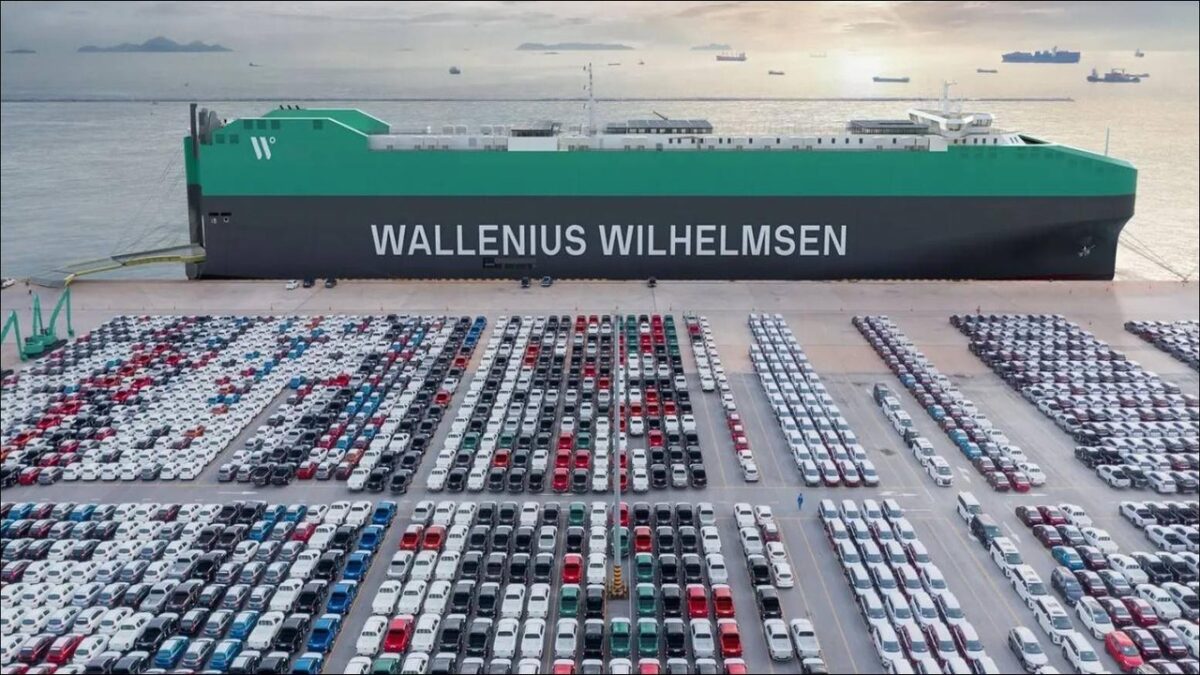
Equinor Bio-Methanol Supply to Wallenius Wilhelmsen Ships | Mariner News
The global maritime industry is charting an ambitious course toward decarbonization, and a landmark agreement signals a significant leap forward. Energy giant Equinor has announced a crucial bio-methanol supply deal, set to deliver sustainable marine fuel to Wallenius Wilhelmsen’s fleet operating in Belgian ports. This two-year partnership, commencing in late 2026, underscores a shared commitment to reducing greenhouse gas emissions within the global shipping sector. The move highlights the increasing viability and adoption of alternative fuels like bio-methanol, which are pivotal in achieving a greener future for maritime operations. As shipping companies face mounting pressure to minimize their carbon footprint, strategic alliances like this are instrumental in transitioning towards a more sustainable fuel landscape for the maritime industry.
The Promise of Bio-Methanol for Sustainable Shipping
Bio-methanol stands out as a leading contender in the race for green marine fuels. Produced from renewable sources such as biomass or captured carbon, it offers a pathway to significantly reduce net carbon emissions compared to traditional fossil fuels. Its combustion produces minimal sulfur oxides (SOx), nitrogen oxides (NOx), and particulate matter, addressing critical air quality concerns. Being liquid at ambient temperatures, it is relatively easy to store and handle on board ships, integrating well with existing bunkering infrastructure or requiring minor modifications. This ease of adoption facilitates a quicker transition for methanol-ready vessels, serving as a vital bridge fuel while more advanced zero-emission technologies evolve. Its environmental credentials are compelling, representing a circular economy approach by transforming waste into valuable energy.
A key aspect of Equinor’s offering is the mass-balanced bio-methanol system. This innovative approach ensures that for every quantity of bio-methanol supplied, an equivalent amount of renewable methanol has been produced and injected into the broader supply chain. While physical molecules delivered may be blended, certified accounting methods rigorously track and verify the renewable origin and allocation. This provides a practical, scalable solution for incorporating renewable fuels into existing logistics networks without separate infrastructure. It allows companies like Wallenius Wilhelmsen to claim verifiable greenhouse gas reductions, aligning with stringent environmental regulations and corporate sustainability targets. The mass-balance principle, often guided by the EU Renewable Energy Directive (RED), offers transparency and credibility, assuring genuine decarbonization across the complex global maritime network.
A Strategic Partnership Driving Maritime Decarbonization
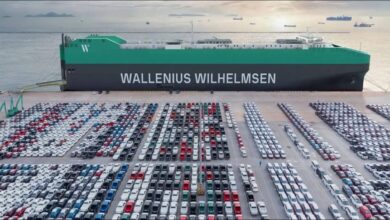
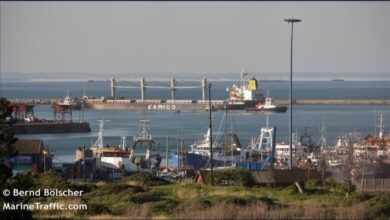
The collaboration between Equinor, a global energy powerhouse, and Wallenius Wilhelmsen, a leader in global shipping and logistics, marks a pivotal moment in the drive towards maritime decarbonization. This two-year agreement specifically targets Wallenius Wilhelmsen’s modern fleet of methanol-fuelled ships operating within key Belgian ports, namely Antwerp and Zeebrugge. These strategic hubs for European trade will serve as the initial delivery points for the sustainable marine fuel. Commencing in late 2026, the timeline allows both companies ample time for operational preparations, bunkering logistics, and integration into established supply chains. This reflects a proactive stance to meet and exceed future environmental compliance standards, moving away from heavy fuel oil.
Wallenius Wilhelmsen has long invested in technologically advanced vessels capable of running on alternative fuels. By securing a reliable bio-methanol supply from Equinor, Wallenius Wilhelmsen strengthens its position as an industry leader in sustainable shipping practices. Equinor, in turn, reinforces its commitment to diversifying its energy portfolio and becoming a key supplier of low-carbon solutions for hard-to-abate sectors like shipping. This mutually beneficial agreement leverages Equinor’s expertise in energy production and logistics with Wallenius Wilhelmsen’s extensive global shipping network. The focus on Belgian ports highlights Europe’s growing role in green maritime initiatives. The success of this partnership will provide invaluable insights, serving as a blueprint for expanding similar green fuel initiatives across other major shipping routes, solidifying momentum towards cleaner oceans.
Equinor’s Expanding Footprint in Green Marine Fuels
Equinor’s commitment to sustainable marine solutions extends beyond this recent deal. The energy firm is rapidly establishing itself as a significant player in the green fuels market, particularly for the maritime industry. Their mass-balanced bio-methanol is produced at their facility at Tjeldbergodden, in Norway, a country renowned for its progressive environmental policies. The production process leverages conventional methanol production alongside biogas certificates, derived from captured biogas and other biomass. This ensures the bio-methanol adheres strictly to the robust criteria outlined in the EU Renewable Energy Directive (RED), crucial for certifying renewable origin and associated greenhouse gas emission reductions.
This strategic approach allows Equinor to scale bio-methanol production while maintaining verifiable sustainability credentials. The company is not new to supplying alternative marine fuels; they already provide bio-methanol to other prominent shipping lines, including A.P. Moller-Maersk and North Sea Container Line ships. These earlier engagements demonstrate Equinor’s proven capability and reliability in the nascent but rapidly growing market for sustainable marine energy. By continuously expanding its client base and refining production methods, Equinor cements its position as a frontrunner in the energy transition, offering tangible solutions for companies eager to reduce their environmental impact and foster a sustainable ecosystem for global trade.
Charting the Course for a Sustainable Maritime Future
The increasing adoption of bio-methanol supply and other alternative fuels like ammonia and hydrogen signifies a paradigm shift in the global shipping industry. While the journey towards fully decarbonized shipping is complex, facing technological hurdles, infrastructure development, and significant investment, every strategic partnership like the one between Equinor and Wallenius Wilhelmsen represents a crucial step forward. The maritime sector faces unique challenges in decarbonization due to long vessel lifespans, global operations, and high energy density requirements. However, innovations in engine technology, fuel production, and bunkering infrastructure are rapidly evolving to meet these demands. The establishment of green corridors and port-centric initiatives, such as those in Belgian ports, will be vital in creating a supportive ecosystem for sustainable shipping.
Beyond immediate environmental benefits, the transition to green fuels also presents economic opportunities. It drives innovation, creates new industries, and fosters job growth in renewable energy production and advanced maritime engineering. Proactive companies investing in sustainable solutions gain a competitive edge, attracting environmentally conscious clients and investors. The regulatory landscape, spearheaded by organizations like the International Maritime Organization (IMO) and regional directives such as the EU Emissions Trading System (ETS) for shipping, continues to push for stricter emissions targets, making bio-methanol adoption a commercial imperative. The collective efforts of energy suppliers, shipping lines, port authorities, and policymakers are indispensable in navigating this transformation. This agreement serves as a powerful testament to the collaborative spirit required to forge a truly sustainable future for the maritime industry, ensuring cleaner air and healthier oceans.