EC Approves German State Takeover of Rosneft Assets | Mariner News
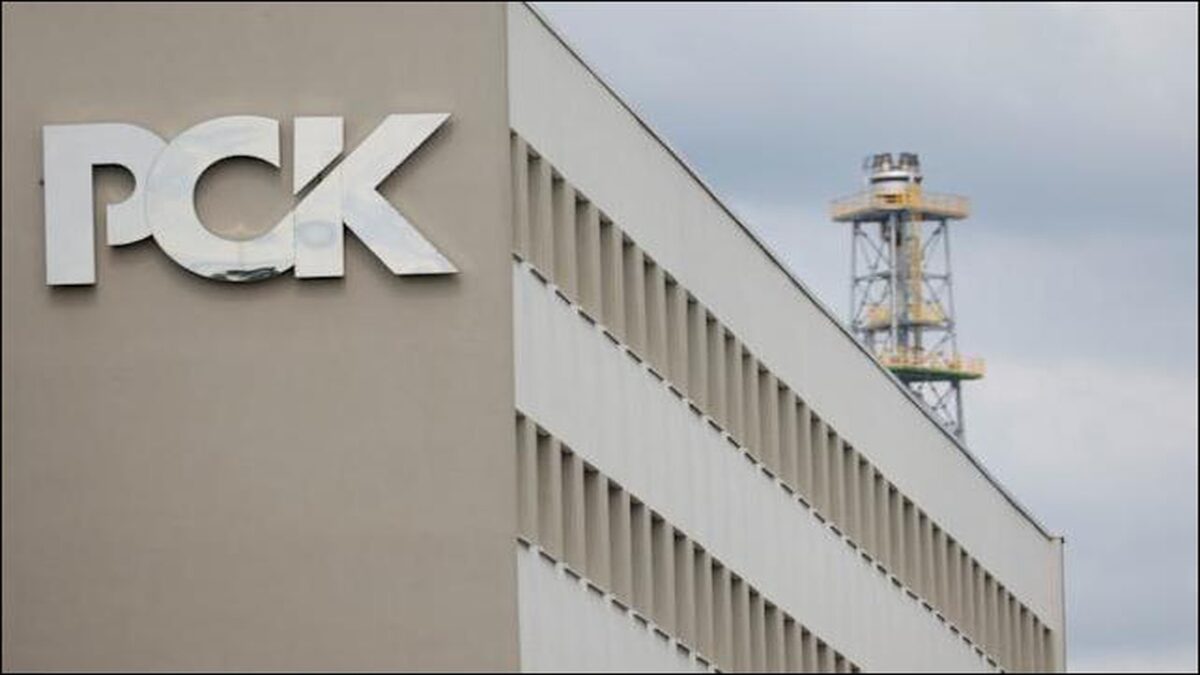
In a landmark decision poised to significantly reshape the European energy landscape, the European Commission (EC) has recently given its definitive approval for the German state takeover of Rosneft assets within Germany. This crucial development marks a pivotal moment for Germany’s energy security strategy, particularly amidst ongoing global geopolitical shifts. The comprehensive acquisition by Germany’s Federal Ministry for Economic Affairs and Energy specifically targets Rosneft Deutschland GmbH (RDG) and RN Refining & Marketing GmbH (RN R&M), entities that hold significant stakes in vital German refining infrastructure. The EC’s clearance, granted under a streamlined EU Merger Regulation review, underscores the strategic importance of ensuring stable and reliable energy supplies for the nation, impacting everything from industrial operations to the critical bunker fuel market. This strategic move aims to solidify Germany’s control over key energy resources, mitigating risks associated with foreign ownership in critical sectors and bolstering national energy independence for the foreseeable future.
Strategic Rationale: Germany’s Drive for Energy Security and Stability
Germany’s decision to move forward with the acquisition of Rosneft’s German refining operations is rooted deeply in its commitment to national energy security and maintaining economic stability. For a nation heavily reliant on robust industrial output and efficient logistics, ensuring a consistent supply of crude oil and refined products, including essential fuels, is paramount. The initial move to place these assets under trusteeship following geopolitical tensions highlighted the vulnerabilities in Germany’s energy supply chain, prompting a more permanent solution. By taking sole control, the German government aims to safeguard the operational integrity of these refineries and secure the continuous flow of fuels to its domestic market, including critical sectors such as transportation, agriculture, and the maritime industry.
This strategic nationalization allows Germany to directly influence the sourcing and distribution of oil products, reducing its exposure to external volatilities and ensuring greater autonomy in energy policy. The Federal Ministry for Economic Affairs and Energy has emphasized that this acquisition is a proactive measure to prevent potential disruptions and stabilize the energy market during uncertain times. It reflects a broader European trend towards re-evaluating and fortifying national control over critical infrastructure, especially in sectors vital for economic resilience and public welfare. The decision represents a strong statement about Germany’s resolve to protect its economic interests and secure its energy future, moving towards greater self-sufficiency and reducing reliance on external actors.
Furthermore, the move is expected to streamline decision-making processes regarding investments and operational adjustments within these facilities. Under state control, these refineries can better align their strategies with national energy goals, including long-term plans for decarbonization and the eventual transition to cleaner energy sources. This direct oversight ensures that the refineries operate in alignment with Germany’s broader energy agenda, fostering a more integrated and resilient energy system. It also provides a stable foundation for the employees of these facilities, ensuring job security and operational continuity in a critical industry.
Rosneft’s Significant German Footprint and Market Influence
Prior to this pivotal German state takeover, Rosneft held a substantial and influential position within Germany’s refining sector, ranking as the third-largest refining company in the country. Its portfolio included significant stakes in three major German refineries, which are integral to the nation’s fuel production and supply chain. These facilities are responsible for processing vast quantities of crude oil into a diverse range of petroleum products, which are then distributed across various markets. The output includes crucial commodities such as gasoline, diesel, heating oil, and specialized petrochemical products essential for numerous industries. Moreover, these refineries are significant producers of fuel oil, which is a vital component of bunker fuel, extensively used by the global shipping industry operating in European waters.
Rosneft Deutschland GmbH and RN Refining & Marketing GmbH were key players in Germany’s wholesale supply of these critical fuels and petrochemicals. Their operations were not just about production; they encompassed a sophisticated network of logistics and distribution that ensured these products reached their intended markets efficiently. The strategic importance of these assets lies in their capacity and their role in regional supply, supporting industrial hubs and urban centers across Germany. The continuity of their operations is paramount for maintaining the fluidity of the German economy and avoiding supply shocks that could impact businesses and consumers alike.
By taking over these assets, the German government is directly assuming control of a considerable portion of the nation’s refining capacity. This consolidation of ownership under state control is expected to provide enhanced oversight and allow for a more direct influence on the supply chain, from crude oil procurement to the final distribution of refined products. The implications are far-reaching, affecting not only domestic fuel markets but also the broader European energy landscape, especially given Germany’s central role in the continent’s economy. The decision to nationalize these crucial infrastructure points highlights their irreplaceable value to the national interest and the necessity of ensuring their stable and secure operation, particularly for the consistent availability of essential fuels, including marine bunker fuels.
Mitigating Competition Concerns and Ensuring Market Stability
The European Commission’s approval of the German state takeover of Rosneft’s German assets was contingent on a thorough assessment of potential competition concerns within the relevant markets. Despite the significant nature of the transaction, the EC concluded that the deal would not pose any material threat to competition, citing the companies’ limited market positions following the proposed acquisition. This determination suggests that even after the German state assumes sole control, the overall competitive dynamics in the crude oil refining and wholesale fuel supply markets within Germany and the broader EU will remain robust, with ample alternatives available to consumers and businesses.
The EC’s simplified review procedure indicates that the transaction was deemed unlikely to create or strengthen a dominant market position, or otherwise impede effective competition. This assessment would have considered various factors, including market shares of the combined entity, the presence of other significant players, and the overall structure of the German and European energy markets. The goal is always to prevent monopolies or oligopolies that could lead to inflated prices, reduced choice, or lower quality for consumers. The approval implies that the German government’s intervention is seen as a stability measure rather than an anti-competitive maneuver.
By taking this step, Germany aims to ensure the continued stable operation of these critical refineries, which contributes directly to the predictability and reliability of fuel supplies. This stability is crucial not only for the German domestic market but also for surrounding regions that rely on Germany’s energy infrastructure. For industries that depend heavily on consistent fuel availability, such as logistics, manufacturing, and especially the shipping sector that utilizes bunker fuels, this move offers a greater sense of security. The German government’s commitment is to maintain a competitive and well-supplied market, ensuring that the essential products from these refineries remain available at fair prices, thereby safeguarding economic activity and supporting industrial growth across various sectors.
Broader Implications for the European Energy Landscape and Shipping Sector
The German state takeover of Rosneft assets carries profound implications that extend beyond Germany’s borders, influencing the broader European energy landscape and the vital global shipping sector. This action further solidifies the ongoing trend of European nations reassessing and restructuring their energy dependencies, particularly regarding fossil fuels sourced from specific regions. It signals a clear strategic pivot towards greater energy autonomy and supply chain resilience within the EU, potentially paving the way for similar interventions in other member states should critical infrastructure come under threat.
For the European energy market, this acquisition underscores the priority given to stable supply over potentially fragmented ownership in times of geopolitical instability. It could encourage diversification efforts across the continent, prompting a more aggressive push towards alternative energy sources and new import partnerships to reduce reliance on single-point suppliers. The long-term trajectory suggests a fundamental shift in how European countries manage their strategic energy assets, with national security considerations increasingly outweighing purely commercial interests.
The impact on the shipping sector, specifically the bunker fuel market, is particularly noteworthy. The Rosneft refineries in Germany were significant producers of fuel oil components for bunker fuels. By bringing these operations under state control, Germany aims to ensure a reliable and consistent supply of these crucial marine fuels. This stability is vital for international shipping lines that call at German and European ports, as uninterrupted access to bunker fuel is essential for global trade and logistics. The move reassures the maritime industry that a key supply node for marine fuels will continue to operate efficiently, preventing potential disruptions that could escalate operating costs or cause significant delays in cargo movement across the continent and beyond.
Furthermore, this strategic realignment in Germany’s energy sector could indirectly accelerate the discussion around the future of marine fuels and the transition to more sustainable shipping practices. While securing traditional fuel supplies, the German government’s long-term energy strategy includes significant investments in renewable energies and green hydrogen. This could mean that, in the long run, the state-controlled refining assets might also play a role in developing and distributing next-generation, lower-carbon bunker fuels, aligning with broader environmental goals for the shipping industry. Thus, the implications of this takeover are not merely about ownership, but also about shaping the future direction of energy security, market stability, and the environmental footprint of one of the world’s most critical industries.