Drug Smuggling Supply Boat Distress Call Off Australia | Mariner News
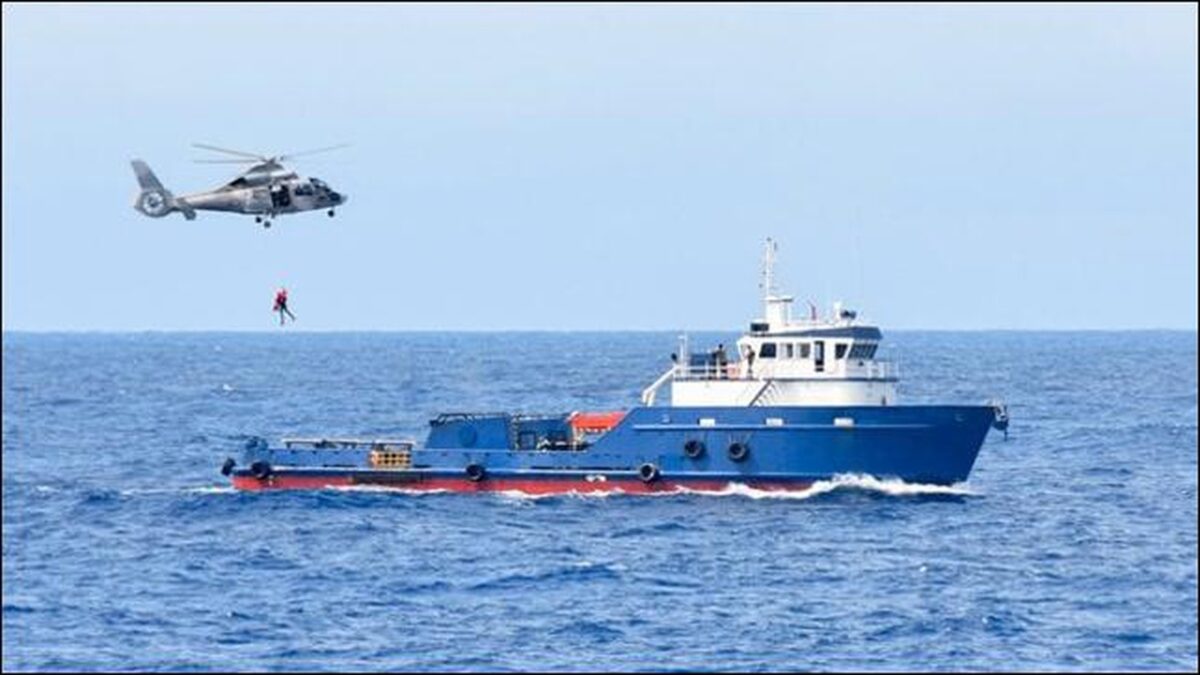
The enigmatic saga of the supply boat Raider, a vessel previously implicated in a massive drug smuggling operation, has taken another bizarre turn, making headlines off the coast of Australia. Nearly two months after French authorities seized close to five tons of cocaine from the same ship in French Polynesian waters, the Raider issued a desperate distress call, reporting critical shortages of food and fuel. This unfolding drama highlights the complex challenges of maritime security and international law enforcement, as Australian agencies now grapple with a vessel with a notorious past, demanding both a humanitarian response and a thorough investigation into its continued voyage after such a significant cocaine trafficking incident.
The Raider’s Controversial Interception in French Polynesia
The Raider’s notoriety began in French Polynesian waters on January 16. French naval forces intercepted the vessel following intelligence reports, leading to a dramatic boarding operation. A meticulous search revealed 96 bales containing a staggering 4.87 tons of high-grade cocaine, an illicit cargo with an estimated street value running into hundreds of millions. This significant seizure underscored the Pacific’s growing role as a vital conduit in the global drug smuggling network, linking South American producers to lucrative markets in Australia.
In a decision that sparked considerable debate among maritime executive circles and law enforcement, French authorities opted to seize and destroy the illicit narcotics but controversially released the Raider and its crew. The rationale provided suggested the drugs were likely en route to Australia, indicating the region had become part of a well-established drug smuggling route from South America. The seized contraband was disposed of in the ocean, and the Raider was permitted to continue its journey, a move that would soon echo with unforeseen consequences. This unusual course of action raised questions about its potential implications for future maritime law enforcement and the immediate apprehension of individuals linked to such a significant criminal enterprise. It underscored the intricate legal and operational complexities encountered when combating transnational crime in vast international waters.
Distress off Australia: A Humanitarian and Security Challenge
Fast forward nearly two months to March 12, when the Raider reappeared, this time off the coast of Australia. The vessel, with 11 crew members, issued an urgent distress call, reporting critical shortages of food and fuel. The situation escalated when the International Transport Workers Federation made contact, discovering only 200 liters of water for the entire crew, raising serious concerns about crew welfare and the ship’s overall seaworthiness.
The Australian Maritime Safety Authority (AMSA) swiftly coordinated a response. Recognizing the immediate humanitarian need, AMSA organized the provisioning of essential supplies to the ailing vessel, showcasing Australia’s commitment to maritime safety. However, the Raider’s arrival and distress call instantly triggered a multi-agency security operation due to its recent drug smuggling history. On March 13, the supply boat was escorted into Sydney Harbour, not just for resupply but directly into a detention area. This operation involved collaborative efforts between AMSA, the Australian Border Force (ABF), and New South Wales Police, signifying a shift from humanitarian assistance to a full-scale criminal investigation. The reappearance of a vessel previously linked to a massive cocaine seizure on Australia’s doorstep immediately raised questions about its activities since its release and the possibility of renewed illicit narcotics involvement.
Unanswered Questions: The Raider’s Continued Voyage and Investigations
The strange journey of the Raider generates many unanswered questions, especially regarding the French authorities’ initial decision to release the vessel. Was the primary goal intelligence gathering, intending to track the supply boat to its ultimate destination and uncover higher echelons of the drug trafficking syndicate? Or was it a miscalculation, a missed opportunity to fully prosecute a major maritime crime? The implications of releasing a vessel and its crew, despite seizing nearly five tons of cocaine, are profound and continue to be debated among maritime law enforcement agencies globally.
Australian authorities are now tasked with piecing together the events that transpired during the Raider’s voyage across the Pacific subsequent to its encounter with the French Navy. The investigation will undoubtedly focus on the vessel’s movements, its manifest, the identities and intentions of its crew, and any potential links to organized crime networks in Australia. The collaboration between the Australian Border Force and NSW Police underscores the seriousness with which this incident is being treated, moving beyond a simple humanitarian aid mission to a comprehensive inquiry into potential border security breaches and drug smuggling activities. The current detention provides a crucial opportunity for detailed examination, with investigators likely searching for additional contraband or evidence of recent illicit activities.
Combating Transnational Maritime Crime in the Pacific
The Raider incident serves as a stark reminder of the persistent and evolving threat posed by transnational maritime crime. The vast Pacific Ocean, with its numerous island nations and remote shipping lanes, offers ample opportunity for drug trafficking syndicates. Authorities have long identified this region as a “known smuggling route” for narcotics from South America, targeting markets in Australia and New Zealand. The sheer volume of illicit narcotics involved in the Raider’s initial bust highlights the scale of this criminal enterprise.
Effective combat against such sophisticated drug smuggling operations requires robust international cooperation, intelligence sharing, and coordinated naval operations. The collaboration between French and Australian authorities in this case, despite the initial vessel release, underscores the necessity of a united front against maritime crime. Enhancing surveillance capabilities, improving intelligence networks, and streamlining legal frameworks for prosecution across diverse jurisdictions are critical steps in disrupting these criminal networks and safeguarding global maritime security. Incidents like the Raider’s distress call also highlight issues of crew welfare and humanitarian obligations. Balancing law enforcement objectives with humanitarian responsibilities presents a delicate challenge for authorities.
The Road Ahead for the Raider and Maritime Security
As the Raider remains under detention in Sydney, the immediate future for the vessel and its crew is uncertain. Crew members face potential charges related to maritime offenses, immigration violations, or even renewed drug smuggling if new evidence emerges. The vessel itself could be impounded, confiscated, or face significant penalties. The legal ramifications will undoubtedly be complex and protracted, involving various jurisdictions and international conventions.
The ongoing investigations by the Australian Border Force and New South Wales Police will be critical in determining the full extent of the Raider’s recent activities and accountability. This high-profile case will likely serve as a significant precedent for future maritime law enforcement actions in the Pacific. It underscores the urgent need for continuous vigilance, enhanced inter-agency collaboration, and a comprehensive approach to combating transnational crime that respects both national sovereignty and international humanitarian obligations. Ultimately, the saga of the Raider is a powerful narrative about the global fight against drug trafficking, the intricate dance of international justice, and the unwavering commitment to maritime security that nations like Australia uphold.