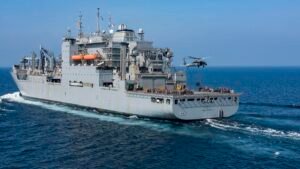
Drone Strike on Sparta II Brings Ukraine War to Gulf of Finland

A suspected drone strike on the Russian cargo ship Sparta II has forced maritime restrictions in the Gulf of Finland, a vital Baltic corridor.
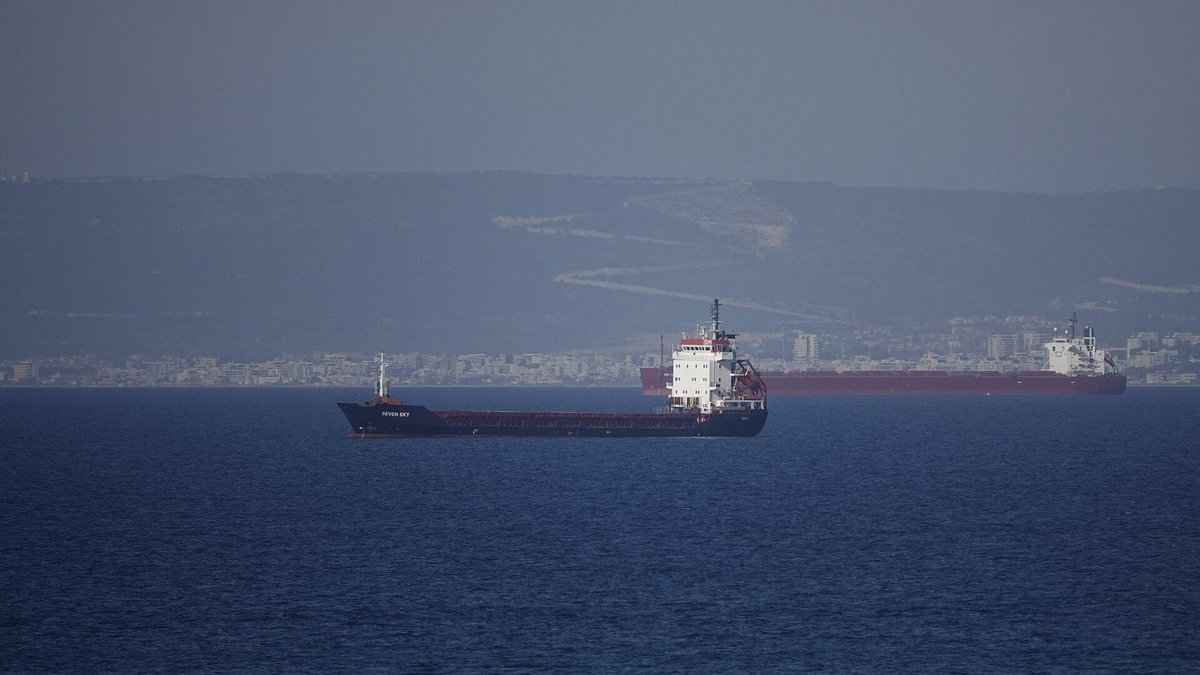
A suspected drone strike on the sanctioned Russian cargo ship Sparta II has brought the Ukraine conflict into the Gulf of Finland’s narrow shipping lanes, forcing Finland to impose emergency maritime restrictions in a critical Baltic corridor. The vessel, which has documented links to the Russian military logistics network, caught fire and lost maneuverability after the attack on November 21, 2026.
The Russian-flagged Sparta II was struck in international waters west of Gogland Island at approximately 8:40 a.m. local time, according to Finland’s Ministry of Defence. The damaged ship drifted into Finnish territorial waters south of Loviisa, where the Finnish Border Guard assumed coordination of the rescue. All 16 crew members evacuated the burning vessel into rescue craft by late afternoon, and the ship’s anchor is currently holding.
The incident escalated further when a Russian helicopter allegedly violated Finnish airspace near Loviisa, flying 4.1 kilometers into Finnish territory. Finland’s Defence Minister Antti Häkkänen stated the flight was likely connected to rescue or surveillance operations for the Sparta II. While Finnish officials linked the strike to Ukrainian drone operations targeting Russia’s Leningrad region, Kyiv has not independently verified responsibility.
Why it matters
The attack on the Sparta II ends the relative immunity of the Baltic Sea as a commercial sanctuary. While the Black Sea has been a known combat zone for years, this strike proves that Russian military-linked tonnage is now a kinetic target in the Gulf of Finland. For owners and charterers, this shifts the risk profile of the entire Baltic corridor, which serves the major Russian terminals at Ust-Luga and Primorsk.
Operational friction is the immediate cost. Finland’s reintroduction of temporary aviation and maritime restrictions in the eastern Gulf of Finland creates a bottleneck in one of the world’s most heavily trafficked international routes. Any vessel operating near Russian military-linked assets or sanctioned entities like Oboronlogistika now faces the risk of being caught in a restricted zone or an active rescue operation involving NATO-member authorities.
The incident also creates a legal and insurance headache regarding territorial sovereignty. Because the Sparta II drifted into Finnish waters, any Russian attempt to recover the vessel requires explicit Finnish permission. The suspected airspace violation by a Russian helicopter during the crisis shows how quickly a commercial salvage operation can turn into a military standoff between Russia and a NATO member.
What to watch
The next trigger is whether Finland grants permission for Russian rescue vessels to enter its waters to tow the Sparta II back to Russia. Any refusal or delay in this process will signal how strictly Helsinki intends to police the presence of sanctioned Russian state-linked vessels within its maritime borders.