Drone Attack on Suezmax Tanker in Turkish Waters | Mariner News
A recent drone attack on a Suezmax tanker in Turkish waters has sent ripples of concern throughout the global maritime community, marking a significant escalation in Black Sea maritime security threats. This alarming incident, involving a laden oil tanker, underscores the volatile nature of the region and the increasing risks faced by commercial shipping traversing these vital international waterways. The event highlights how geopolitical tensions continue to spill over into critical trade routes, demanding immediate attention from shipping companies, insurers, and international authorities alike.
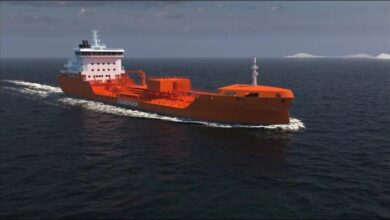
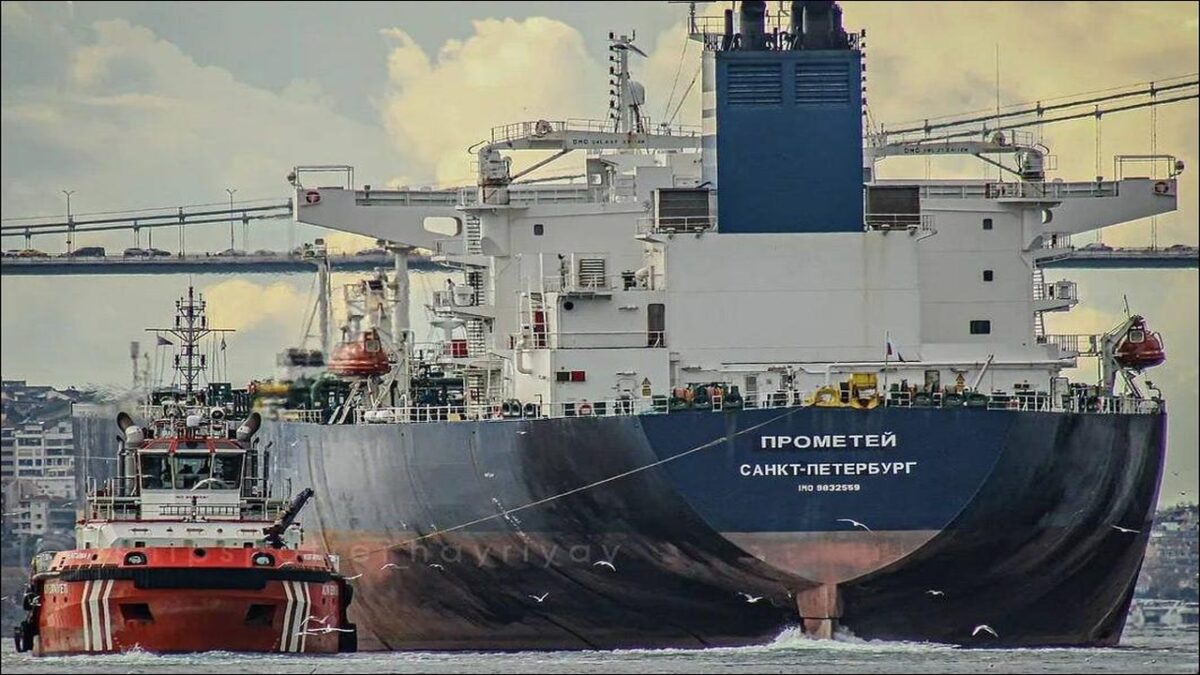
According to initial reports, the Suezmax tanker Altura was reportedly struck by an unmanned marine vehicle (UMV) approximately 15 miles off the Bosphorus Strait in the Black Sea. This strategically significant location, near the entrance to one of the world’s busiest shipping chokepoints, amplifies the severity of the incident. The vessel, which had loaded its cargo in Russia, reportedly sustained a substantial explosion, leading to damage on its bridge and water ingress into the engine room. Thankfully, early indications suggest no crew injuries were sustained in the attack, a testament to modern vessel construction and emergency protocols, but the structural damage serves as a stark reminder of the destructive potential of such assaults. The proximity to Turkish territorial waters, a NATO member state, adds a layer of complexity and geopolitical sensitivity to an already tense situation, raising questions about attribution and the rules of engagement in these contested maritime zones.
Escalation of Maritime Threats in the Black Sea
For the past four years, incidents targeting commercial shipping linked to the conflict in Ukraine have largely been confined to Russian and Ukrainian waters, typically near their respective Black Sea ports. This latest drone attack on the Suezmax tanker in Turkish waters, however, represents a concerning geographical expansion of maritime conflict. An attack so close to a key international strait like the Bosphorus, a gateway between the Black Sea and the Mediterranean, signals a dangerous new phase in the regional confrontation. It suggests an increased willingness or capability of actors to project force further afield, directly threatening neutral commercial vessels operating within established international shipping lanes.
This shift in operational patterns for unmanned marine vehicles poses an immediate and profound challenge to maritime security protocols. The use of drones, whether aerial or surface-based, offers new avenues for asymmetric warfare, making it difficult for traditional naval defenses to predict and counter such threats effectively. The very nature of these attacks — often swift, precise, and difficult to attribute definitively — contributes to an atmosphere of uncertainty and heightened risk for all vessels navigating the Black Sea. The international community and maritime industry stakeholders are now faced with the urgent task of reassessing threat landscapes and developing robust countermeasures to protect lives and valuable cargo.
Geopolitical Ramifications and Regional Instability
The location of this drone attack, within Turkey’s maritime domain, carries significant geopolitical weight. Turkey, a pivotal regional player and NATO ally, has sought to balance its relationships with both Russia and Ukraine, often acting as a mediator in the conflict. An incident occurring so close to its coastline could be perceived as a direct challenge to its sovereignty and its efforts to maintain stability in the Black Sea. This could prompt a more assertive stance from Ankara or encourage greater international collaboration to secure these vital seaways.
Furthermore, the incident complicates an already delicate situation concerning the safe passage of commercial vessels through the Black Sea, especially those involved in the critical trade of grain and oil. Even if indirect, any disruption or perceived threat to the Bosphorus Strait has far-reaching implications for global supply chains, affecting economies far beyond the immediate conflict zone. This potential for wider destabilization underscores the need for de-escalation and adherence to international maritime law to prevent further incidents that could spiral into a broader regional confrontation.
Impact on Commercial Shipping and Global Trade Routes
The immediate consequence of such a drone attack is a sharp increase in perceived risk for commercial shipping operations in the Black Sea region. This directly translates into significant economic pressures. Insurance premiums for vessels transiting these waters are likely to soar, reflecting the elevated threat levels. Shipping companies may also consider alternative, longer, and more expensive routes to avoid the perceived danger zone, leading to increased transit times, higher fuel costs, and potential delays in global supply chains. The Altura incident could force a re-evaluation of current shipping corridors and security protocols for vessels carrying essential commodities like crude oil and agricultural products, which are crucial for global energy and food security.
Beyond the financial implications, there is a profound human element to consider. Crews operating in these high-risk areas face immense psychological stress and danger. The maritime industry has a responsibility to ensure the safety and well-being of seafarers, which becomes increasingly challenging in an environment prone to unprovoked attacks. The incident serves as a stark reminder that the human cost of geopolitical conflicts extends far beyond battlefields, impacting the lives of those dedicated to keeping global trade flowing. The need for robust crew training in emergency procedures and enhanced onboard security measures becomes paramount.
Enhancing Maritime Security and Risk Mitigation
In the wake of this unsettling drone attack, the global maritime industry and national authorities must collectively intensify efforts to enhance maritime security and implement effective risk mitigation strategies. This includes a comprehensive review of existing intelligence gathering and threat assessment protocols for the Black Sea region. Shipping companies will likely need to update their vessel hardening measures, consider deploying advanced anti-drone technologies, and ensure their crews are thoroughly trained in responding to UMV threats. The development of clearer, real-time intelligence sharing mechanisms among navies, coast guards, and commercial operators is essential for providing timely warnings and facilitating coordinated responses.
International bodies, such as the International Maritime Organization (IMO), and flag states play a crucial role in issuing updated navigation warnings and advisories. These guidelines must reflect the evolving nature of maritime threats, particularly those posed by unmanned systems. Furthermore, diplomatic efforts to establish safe corridors or de-escalation zones could provide crucial relief for commercial vessels. The integration of advanced surveillance systems, both aerial and sea-based, alongside potential naval escorts for high-value or vulnerable cargo, may become a necessary, albeit costly, measure to safeguard international shipping lanes and restore confidence in the region’s stability.
The Future of Black Sea Maritime Operations
The drone attack on the Suezmax tanker in Turkish waters unequivocally signals a critical juncture for Black Sea maritime operations. The future of commercial shipping in this region hinges on the ability of international actors to collectively address these escalating threats. Without robust security measures and a concerted effort to de-escalate the broader conflict, the Black Sea risks becoming an increasingly perilous zone for global trade. This could lead to a long-term shift in trade routes, imposing significant economic costs globally and exacerbating supply chain vulnerabilities.
Looking ahead, the maritime industry must prepare for a future where unmanned systems are a persistent feature of naval warfare and maritime security challenges. Innovation in vessel protection, real-time threat detection, and resilient operational planning will be vital for sustaining trade through contested waters. Ultimately, while technology offers some solutions, lasting stability in the Black Sea and the safe passage of commercial shipping will depend on diplomatic breakthroughs and a commitment from all parties to uphold international maritime law and respect the principle of freedom of navigation. The Altura incident is a stark call to action for collective responsibility in protecting the arteries of global commerce.