DNV: LNG Bunkering Fleet Needs Up to 208 Vessels by 2030 | Mariner News
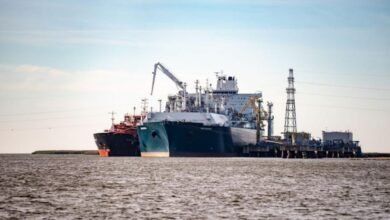
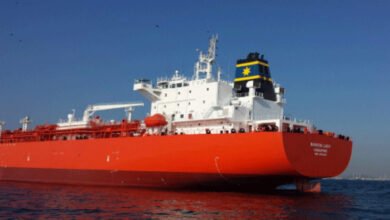
Classification society DNV projects the global LNG bunkering fleet could require up to 208 vessels by the end of 2030, a significant increase driven by the expanding LNG-fuelled tonnage and rising marine fuel demand. This forecast, outlined in DNV’s Gas Bunker Vessels white paper, signals a substantial infrastructure build-out challenge for the shipping industry in the latter half of the decade.
The current global LNG bunkering fleet stands at approximately 70 vessels, with an additional 30 ships contracted for delivery between 2026 and 2029. DNV’s analysis indicates that this combined capacity will only be sufficient to meet demand through 2027, necessitating further fleet expansion during 2028-2030. Under a higher-demand scenario, which aligns with Clarksons’ LNG fuel demand projection and assumes 100% LNG use by the LNG-capable fleet, 208 vessels would be needed. A lower-demand scenario projects requirements at around 165 vessels.
The surge in demand is underpinned by the rapid adoption of LNG as a marine fuel. Approximately 900 LNG-fuelled vessels, excluding LNG carriers, are currently operational, with another 650 on order expected to enter service before 2030. LNG consumption by these vessels experienced a more than 500% increase between 2020 and 2024.
Asia is identified by DNV as the primary growth market for LNG bunkering, pointing to a regional concentration of future infrastructure investment and operational activity. Achieving the higher-demand scenario’s assumption of 100% LNG marine use by the capable fleet implies not only a robust bunkering vessel newbuild program but also substantial logistical and operational advancements to ensure fuel availability and streamline bunkering operations globally, particularly in key growth areas. The projected requirements highlight a critical need for accelerated investment and strategic planning to avoid potential bottlenecks as the LNG-fuelled fleet continues its rapid expansion.