Cruise Tourism’s €64.1B Impact on Europe | Mariner News
Cruise tourism is not merely a leisure activity for millions of travelers; it stands as a colossal economic powerhouse, fundamentally underpinning a vast network of industries and livelihoods across the European continent. Recent insights from the Cruise Lines International Association (CLIA) highlight the monumental economic impact of cruise tourism in Europe, revealing a staggering contribution of €64.1 billion to the European economy and the direct support of 445,000 jobs. These figures underscore the industry’s indispensable role as a robust job creator and a significant driver of economic prosperity, extending far beyond the immediate port cities to reach the deepest corners of national and local economies. The sector’s influence is comprehensive, fostering growth in shipbuilding, logistics, hospitality, food and beverage supply, and an array of support services, thereby weaving itself into the very fabric of Europe’s economic landscape. Its ability to stimulate diverse economic activities makes it a critical component of Europe’s overall economic health and development strategy.
The Monumental Economic Contribution of Cruise Tourism
The €64.1 billion contribution from cruise tourism to Europe’s economy is a testament to its wide-ranging financial influence. This figure encompasses direct spending by cruise lines, passengers, and crew, along with indirect and induced contributions generated throughout the extensive supply chain. Direct spending by cruise lines, for instance, includes investments in new ships, maintenance and repair, port services, and operational costs. Passengers, in turn, contribute through port excursions, local shopping, dining, and pre- and post-cruise stays, injecting vital revenue into local businesses. Crew members, too, contribute by spending their earnings in port communities. This multi-layered flow of capital creates a powerful ripple effect, stimulating economic activity across various sectors. For example, a single cruise call in a European port can generate millions in local economic activity through passenger spending on tours, souvenirs, and local cuisine, as well as ship provisioning for fresh produce and other supplies. The sustained growth of this sector means a continuous infusion of capital, fortifying local economies and contributing significantly to national GDP figures. The CLIA study highlights that €28 billion of this total directly contributed to European GDP, showcasing the immediate and tangible financial benefits.
This robust financial contribution underscores the cruise industry’s strategic importance, especially for coastal regions and island nations that rely heavily on tourism revenue. It provides a stable and predictable source of income that can often offset seasonal fluctuations inherent in other forms of tourism. Furthermore, the sheer scale of the investment by cruise lines in modern, larger, and more environmentally friendly vessels translates into substantial contracts for European shipyards and related maritime technology companies. This not only secures high-skilled manufacturing jobs but also drives innovation within Europe’s advanced industrial base. The cruise industry acts as a catalyst, propelling growth in auxiliary sectors such as transportation, infrastructure development, and financial services, which all benefit from the substantial capital flows associated with cruise operations. This comprehensive economic support network illustrates why cruise tourism is considered a pillar of Europe’s contemporary economy.
Fueling a Diverse European Employment Landscape
The support of 445,000 jobs across Europe highlights the cruise industry’s profound impact on employment. These are not just jobs on board the ships but a vast array of positions across numerous land-based sectors. From highly skilled engineers, shipbuilders, and maritime professionals to hospitality staff, tour guides, transport operators, and retail workers in port destinations, the spectrum of employment opportunities is incredibly broad. The jobs created by cruise tourism are diverse, catering to various skill sets and educational backgrounds, thereby providing stable livelihoods for hundreds of thousands of European citizens. This extensive employment footprint emphasizes the industry’s role as a vital contributor to social stability and economic inclusion, particularly in regions where other employment opportunities might be scarce.
Moreover, the nature of these jobs often fosters skill development and training, contributing to a more skilled European workforce. For example, maritime academies and hospitality training centers see increased demand due to the growing needs of the cruise sector. Many land-based roles, such as those in port operations, logistics, and ground handling for excursions, require specialized expertise, leading to continuous professional development. The industry also indirectly supports employment in sectors like food production, textile manufacturing, and technology, as these companies supply goods and services to cruise lines. This extensive job creation underscores how the growth of cruise tourism translates directly into tangible employment benefits, reinforcing its critical role in Europe’s labor market and community welfare.
Beyond the Ships: The Extensive Supply Chain and Local Benefits
Cruising’s economic prowess extends deep into national and local economies through its extensive and diversified supply chain. A cruise ship is a floating city, requiring everything from fresh produce, seafood, and gourmet ingredients sourced from local farms and fisheries to high-tech navigation systems, luxury furnishings, and cutting-edge environmental technologies. European businesses, both large corporations and small and medium-sized enterprises (SMEs), benefit immensely from being part of this supply chain. This demand for goods and services creates consistent business for suppliers in various European countries, many of which are not directly on the coast. For instance, textile manufacturers inland might supply linens, furniture makers provide cabin fittings, and technology companies develop innovative onboard entertainment systems.
This intricate web of procurement ensures that the economic benefits are geographically widespread. The industry actively seeks to source locally where possible, providing a direct boost to regional economies. Local tour operators, artisan shops, transportation services, and restaurants in destination ports thrive on the influx of cruise passengers. This local engagement transforms tourist visits into substantial economic advantages for small businesses and independent entrepreneurs. Furthermore, cruise lines often invest in port infrastructure improvements, such as enhanced docking facilities, passenger terminals, and sustainable waste management systems, which not only benefit their operations but also contribute to the long-term development of port communities. These investments are crucial for modernizing infrastructure and ensuring that ports can meet the growing demands of both cruise and cargo traffic, thereby creating a lasting legacy of economic improvement.
Promoting Sustainable Tourism Growth and Regional Development
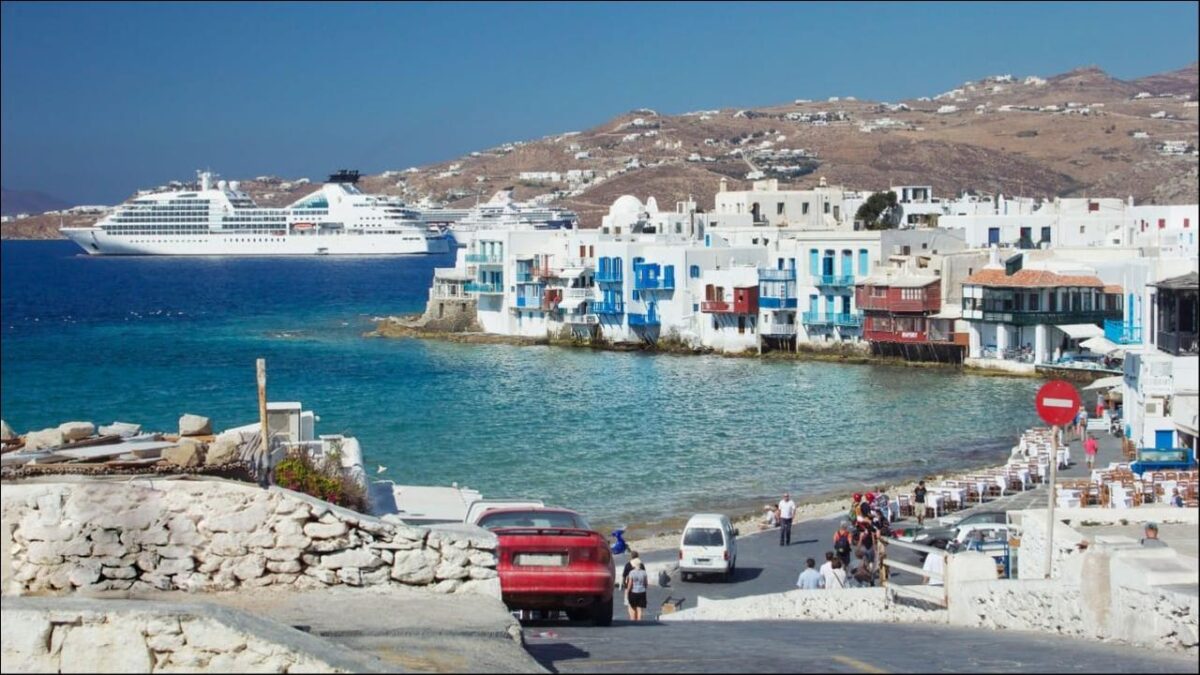
Cruise tourism plays a significant role in promoting sustainable tourism growth and regional development by extending its reach to peripheral destinations. Unlike traditional land-based tourism that often concentrates visitors in a few major hubs, cruises inherently promote a more balanced distribution of tourism flows across regions. They provide access to charming coastal islands, lesser-known historical towns, and remote regional communities that might otherwise struggle to attract international visitors. This diversification helps prevent overtourism in certain hotspots while simultaneously bringing much-needed economic activity to areas that can benefit from it most, supporting local businesses and preserving cultural heritage.
The sector’s ability to support off-season travel is another crucial aspect of its sustainable impact. By operating throughout the year, cruises help stabilize employment in the tourism sector, preventing the seasonal peaks and troughs that can lead to job insecurity. This steady flow of visitors during quieter months ensures consistent revenue for local businesses and attractions, contributing to more resilient economies. Moreover, cruise lines often engage in partnerships with local communities and authorities to develop unique shore excursions that highlight authentic cultural experiences, supporting local artisans and preserving the unique character of destinations. This commitment to distributing benefits widely and supporting local economies underscores the cruise industry’s contribution to Europe’s overall tourism competitiveness and its robust maritime industrial base, fostering economic sustainability and cultural exchange.
The Future Outlook: Navigating Challenges and Opportunities
The future of cruise tourism in Europe is characterized by both exciting opportunities and evolving challenges. The industry continues to innovate, investing heavily in state-of-the-art ships that incorporate advanced environmental technologies, such as LNG propulsion, shore power connectivity, and sophisticated waste management systems, significantly reducing their ecological footprint. These investments not only meet increasingly stringent environmental regulations but also enhance the industry’s long-term sustainability and appeal to environmentally conscious travelers. The ongoing modernization of the fleet signifies a commitment to responsible growth, addressing concerns around emissions and port congestion through technological advancements and improved operational practices.
Opportunities for growth are strong, driven by an expanding global middle class and increasing demand for experiential travel. European destinations remain highly attractive, offering a rich tapestry of history, culture, and natural beauty. However, challenges persist, including managing the infrastructure demands of larger ships and increased passenger numbers, ensuring positive local community relations, and continuously adapting to evolving public health and safety protocols. The industry is actively engaged in dialogue with local governments and stakeholders to ensure that growth is managed responsibly, benefiting both visitors and host communities. By focusing on innovation, environmental stewardship, and community engagement, European cruise tourism is poised to continue its trajectory as a vital economic engine, navigating future complexities while upholding its significant contribution to the continent’s prosperity and diverse employment landscape.