Corvus Energy Powers Washington State Ferries Hybrid Build | Mariner News
Washington State Ferries Embrace Hybrid Technology for a Greener Future
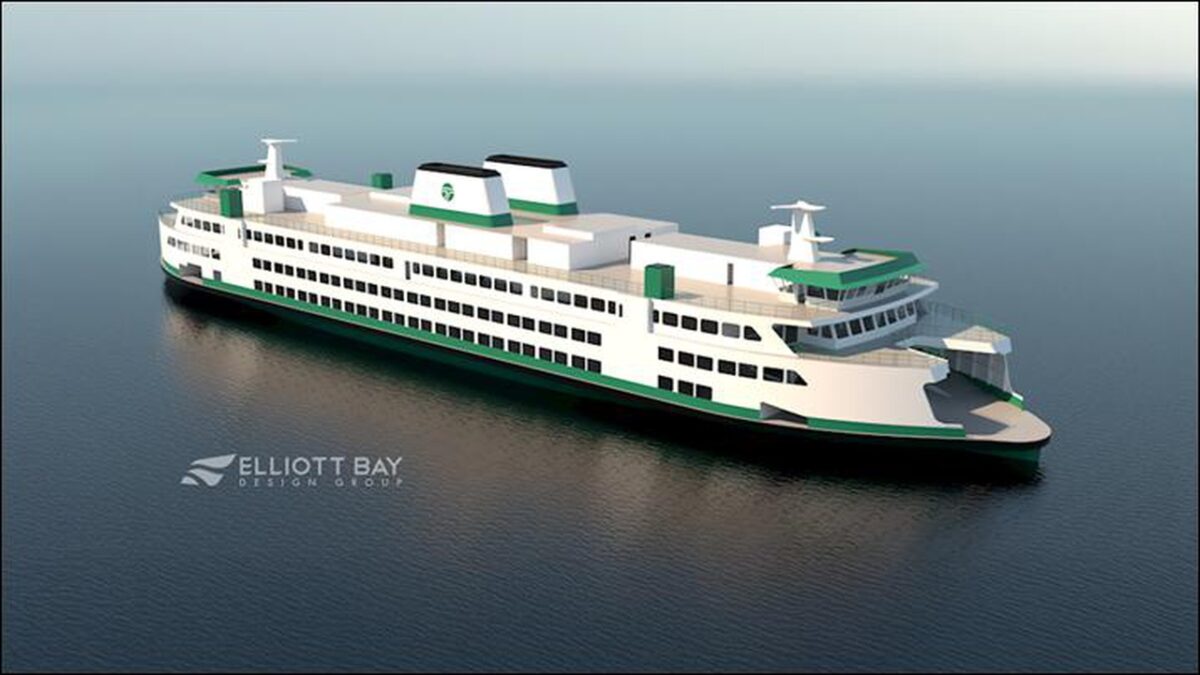
The maritime sector is rapidly moving towards more sustainable operations, and the latest news highlights a significant step forward for marine electrification in North America. Washington State Ferries (WSF), operating the largest ferry network in the United States, is actively modernizing its fleet with advanced hybrid electric technology. This ambitious initiative is gaining substantial momentum with the selection of Corvus Energy batteries, a pivotal component in the ABB-led hybrid build for two new 1,500-passenger, 160-vehicle vessels, with an exciting option for a third. This commitment underscores WSF’s dedication to reducing its environmental footprint and ushering in a new era of eco-friendly maritime transport for millions of passengers.
The adoption of hybrid technology represents a crucial phase in WSF’s extensive $3.98 billion fleet electrification program. This monumental undertaking aims to introduce up to 16 new hybrid electric vessels into service, profoundly transforming the region’s public transportation infrastructure. These new ferries are specifically designed to combine the reliability of diesel generators with the impressive efficiency and reduced emissions of battery power. Crucially, they possess the inherent capability to operate solely on clean battery power when shore charging facilities are accessible, marking a substantial leap towards truly zero-emission voyages.
Such a strategic move by Washington State Ferries not only reinforces their role as a leader in public transport innovation but also sets a precedent for other ferry operators globally. By integrating state-of-the-art energy storage systems, WSF is demonstrating a clear path towards achieving significant environmental benefits, including reduced greenhouse gas emissions, decreased air pollution, and quieter operations within sensitive marine environments. This commitment to green maritime solutions is vital for preserving the pristine natural beauty of the Pacific Northwest and ensuring sustainable services for future generations.
The construction of these pioneering hybrid vessels is currently underway at Florida-based shipbuilder Eastern Shipbuilding Group. With entry into service anticipated for 2030 and 2031, these ferries are poised to become flagships of sustainable maritime travel. The collaboration between Corvus Energy, ABB, and Washington State Ferries exemplifies how industry leaders are converging to deliver tangible, long-term environmental solutions that promise operational excellence and a healthier planet. This partnership is a testament to the power of innovation in driving real change in the global maritime landscape.
Corvus Energy’s Advanced Battery Solutions for Sustainable Marine Propulsion
At the heart of Washington State Ferries’ innovative hybrid build lies Corvus Energy’s cutting-edge Dolphin NxtGen battery systems. Corvus Energy, a renowned Norwegian specialist in marine battery technology, has been specifically chosen by ABB’s Marine & Ports division to supply the sophisticated energy storage systems for these groundbreaking vessels. This selection highlights Corvus Energy’s established reputation for delivering robust, reliable, and high-performance battery solutions tailored for the demanding conditions of the maritime environment, making them an ideal partner for such a significant electrification project.
Corvus Energy’s Dolphin NxtGen batteries are engineered to meet the stringent requirements of large-scale ferry operations. These advanced energy storage systems (ESS) are pivotal for ensuring the hybrid ferries can efficiently switch between diesel-electric and full battery-electric modes. The technology’s capability to provide substantial power for propulsion, coupled with its compact design and safety features, makes it a superior choice for vessels that prioritize both performance and environmental responsibility. The batteries contribute significantly to fuel efficiency and substantial reductions in exhaust emissions, critical for urban ferry routes.
Beyond simply providing power, Corvus Energy’s systems offer enhanced operational flexibility and reduced maintenance needs compared to traditional propulsion methods. The modular design of the Dolphin NxtGen batteries allows for scalable solutions, meaning the energy capacity can be precisely matched to the specific operational profiles of the Washington State Ferries, optimizing both performance and lifespan. This adaptability is key for a fleet as diverse and extensive as WSF’s, allowing for tailored energy management across different routes and operational demands.
Corvus Energy has an impressive track record of successful installations in hybrid and fully electric vessels worldwide, underscoring their expertise and reliability in the marine energy sector. Their commitment to continuous innovation in battery technology ensures that their products remain at the forefront of sustainable maritime propulsion. For the Washington State Ferries hybrid project, Corvus Energy’s involvement is not just about supplying components; it’s about providing a foundational element that enables a cleaner, more efficient, and ultimately more sustainable future for ferry services, impacting daily commutes and environmental quality.
ABB’s Integrated Propulsion System: A Seamless Hybrid Solution
ABB’s Marine & Ports division plays a central and critical role as the single-source propulsion vendor for the Washington State Ferries hybrid build. This comprehensive responsibility means ABB is not merely integrating various components but is designing and delivering a fully cohesive and optimized hybrid electric propulsion system. Their expertise in system integration ensures that the powerful Corvus Energy batteries seamlessly interface with the vessels’ propulsion, automation, and energy management systems, creating a highly efficient and reliable operational platform for the new ferries.
An integrated hybrid electric propulsion system from ABB offers numerous advantages for vessel operators. By combining diesel generators with advanced battery power, the system allows for flexible energy management, enabling the ferries to operate in the most efficient mode for any given scenario. This optimization results in significant fuel savings, reduced operational costs, and, critically, a substantial decrease in harmful emissions. The ability to leverage battery power for harbor maneuvering and short stretches further minimizes noise and pollution in sensitive port areas and along coastal routes.
ABB’s holistic approach encompasses not only the propulsion motors and power distribution but also the sophisticated control and monitoring systems that manage the flow of energy between the diesel generators and the Corvus Energy storage units. This meticulous orchestration ensures peak performance, enhanced safety, and greater operational resilience for the ferries. Such comprehensive system architecture is vital for complex vessels like those of Washington State Ferries, which require unfailing reliability to maintain public transport schedules.
The partnership between ABB and Corvus Energy on this project exemplifies a synergy of expertise. ABB’s global leadership in electrification and automation, combined with Corvus Energy’s specialized battery technology, creates a robust foundation for these hybrid electric ferries. This collaboration underscores the growing trend in the maritime industry towards integrating best-in-class technologies from multiple vendors under a single, experienced system integrator to deliver cutting-edge, sustainable marine solutions. The outcome is a highly efficient and environmentally sound propulsion system that sets new benchmarks for ferry operations.
Driving Marine Electrification and Sustainable Shipping Globally
The Washington State Ferries hybrid build, powered by Corvus Energy batteries and ABB’s propulsion systems, serves as a powerful testament to the global movement towards marine electrification. This project is not an isolated incident but rather a significant example of a broader industry-wide paradigm shift aimed at fostering sustainable shipping practices. As environmental regulations become increasingly stringent and public demand for greener transport solutions grows, the adoption of hybrid and electric vessel technologies is rapidly accelerating across various maritime sectors worldwide.
The environmental benefits derived from marine electrification are substantial and far-reaching. By replacing or supplementing traditional diesel engines with battery power, these hybrid ferries will drastically reduce their carbon footprint, contributing directly to efforts to combat climate change. Beyond CO2, they also cut down on harmful local air pollutants such as nitrogen oxides (NOx) and sulfur oxides (SOx), which significantly improve air quality in port communities and coastal regions. Additionally, the quieter operation of electric propulsion systems minimizes noise pollution, benefiting marine wildlife and enhancing the onboard passenger experience.
This trend towards green technology in the maritime industry is driven by innovation, economic incentives, and a collective commitment to sustainability. Governments, shipping companies, and technology providers are investing heavily in research and development to bring more efficient and environmentally friendly solutions to market. Projects like the Washington State Ferries fleet modernization demonstrate the commercial viability and operational benefits of these advanced technologies, inspiring further investment and adoption across the global fleet. It showcases that sustainability doesn’t have to come at the cost of efficiency or reliability.
As pioneers in marine electrification, Washington State Ferries are setting an invaluable precedent for other major ferry operators and maritime organizations. Their commitment to a greener fleet underscores the critical role that large-scale public transportation networks can play in driving environmental stewardship. This transition aligns with international efforts to decarbonize shipping, contributing to global climate goals and fostering a more sustainable future for the entire maritime industry. The success of these hybrid vessels will undoubtedly encourage widespread adoption of similar technologies.
Pioneering a Greener Future for Maritime Transport
The ongoing collaboration between Corvus Energy, ABB, and Washington State Ferries on the hybrid build is more than just a shipbuilding project; it represents a visionary leap towards a fundamentally greener and more sustainable future for maritime transport. This initiative is a cornerstone of WSF’s long-term strategy, which envisions the introduction of up to 16 new hybrid electric vessels, ultimately transforming their entire fleet into a beacon of environmental responsibility and technological advancement within the US ferry sector.
These hybrid electric ferries, equipped with state-of-the-art energy storage systems, are designed not just for today’s operational demands but also for future adaptability. Their ability to run on battery power alone where shore charging is available signifies a significant step towards achieving truly zero-emission port calls and route segments. This flexibility is crucial as charging infrastructure continues to develop and renewable energy sources become more integrated into port operations, allowing for an even greater reduction in fossil fuel consumption.
Furthermore, the long-term environmental and economic benefits of such a comprehensive fleet electrification program are immense. Reduced reliance on fossil fuels translates into lower operating costs, greater energy independence, and decreased exposure to volatile fuel prices. From an ecological perspective, the positive impact on local air quality, marine ecosystems, and the broader fight against climate change is invaluable. Washington State Ferries is not only improving its service but also actively safeguarding the natural beauty of the region it serves.
The successful delivery and operation of these next-generation hybrid vessels, anticipated to commence service in the early 2030s, will serve as a powerful blueprint for the global maritime industry. It demonstrates that substantial progress towards sustainable shipping is achievable through strategic partnerships, technological innovation, and a steadfast commitment to environmental goals. This project signals a clear direction: the future of maritime transport is undeniably electric, efficient, and environmentally conscious, fostering a legacy of green growth for generations to come.