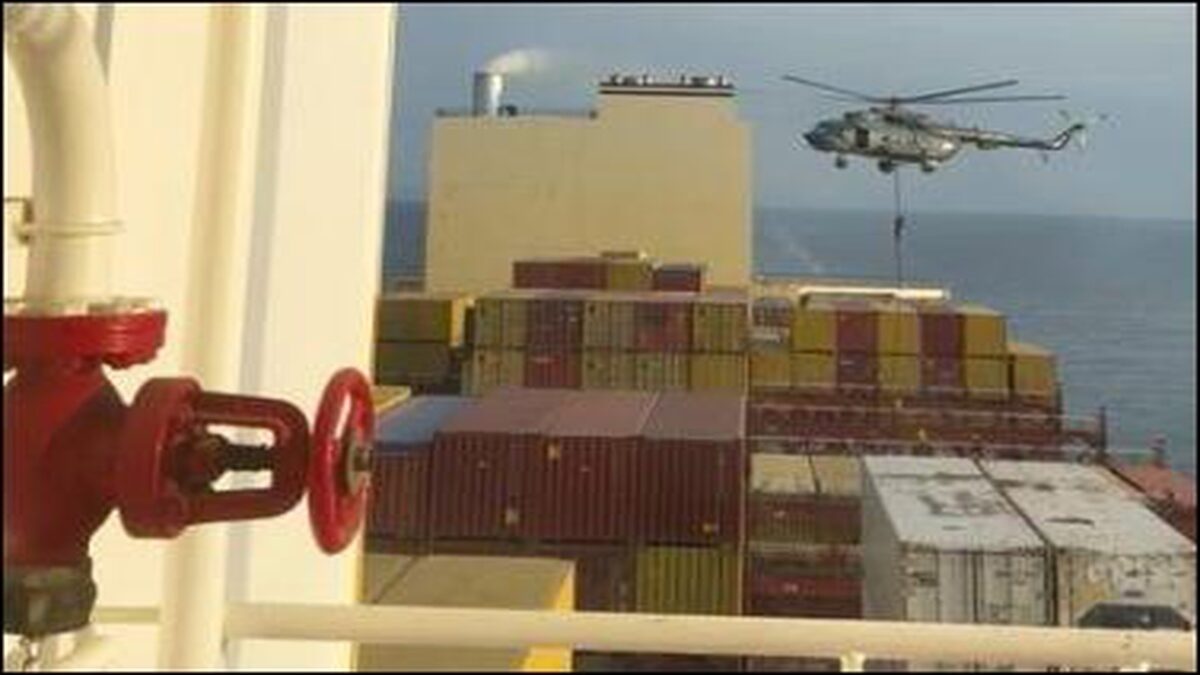
Container Ship Fire After Strait of Hormuz Attack | Mariner News
A recent incident involving a fire reported on a container ship after an attack in the Strait of Hormuz has sent ripples through the global maritime community, underscoring the escalating risks faced by commercial vessels in critical shipping lanes. The alarming event, which saw a boxship come under assault near Oman, highlights persistent security challenges in one of the world’s most vital choke points for international trade. As investigations unfold, the incident serves as a stark reminder of the fragile nature of global supply chains and the urgent need for enhanced maritime security measures to protect seafarers and cargo alike.
Escalating Tensions in the Strait of Hormuz
The Strait of Hormuz, a narrow waterway separating Iran and Oman, is undeniably one of the most strategically significant maritime passages globally. Approximately one-fifth of the world’s total petroleum consumption, including crude oil and refined products, and a significant amount of liquefied natural gas (LNG), passes through this strait daily. Its geopolitical importance cannot be overstated, making any disruption a potential trigger for international concern and market volatility. The region has historically been a flashpoint for geopolitical tensions, with previous incidents involving commercial shipping, tankers, and naval confrontations.
Recent years have seen a worrying uptick in aggressive actions and hostile rhetoric in the broader Middle East, directly impacting shipping operations. These incidents, often linked to regional conflicts and geopolitical rivalries, create an unpredictable and dangerous environment for vessels traversing these waters. The attack on the container ship is not an isolated event but rather another manifestation of the ongoing struggle for influence and security in this volatile part of the world.
Such acts of aggression have far-reaching implications, not only for the immediate safety of maritime personnel and vessels but also for the stability of global energy markets and supply chains. The international community consistently monitors developments in the Strait of Hormuz, recognizing that maintaining freedom of navigation and ensuring maritime security here is paramount for global economic stability.
The Incident: Attack Details and Immediate Aftermath
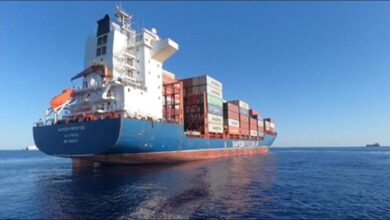
The attack on the container ship occurred approximately two nautical miles north of Oman. According to reports from the UK Maritime Trade Operations (UKMTO) agency, the vessel was struck by an unknown projectile just above the waterline, leading to a fire breaking out in its engine room. This precise targeting underscores a calculated and dangerous approach to disrupting commercial shipping. The speed and unexpected nature of such attacks leave little time for evasive maneuvers, placing significant risk on the crew and the integrity of the vessel.
While the fire in the engine room is a grave concern, preliminary reports thankfully indicate no immediate environmental impact from the incident. This is a crucial detail, as potential oil spills or cargo contamination could amplify the disaster, affecting marine ecosystems and adding further layers of complexity to the recovery efforts. The lack of reported environmental damage, for now, offers a small silver lining amid the severity of the attack.
Emergency response protocols were initiated swiftly following the attack. The crew’s immediate actions to manage the fire and ensure their safety are commendable, highlighting the extensive training and preparedness required for seafarers operating in high-risk zones. The incident will undoubtedly prompt thorough investigations by maritime authorities and insurance adjusters to determine the exact nature of the projectile, the extent of the damage, and the party responsible for this act of aggression against a commercial cargo vessel.
Ripple Effects on Global Shipping and Supply Chains
The attack in the Strait of Hormuz inevitably sends shockwaves through global shipping markets. The primary concern is the potential for increased insurance premiums for vessels operating in the region. War risk insurance costs have historically spiked following similar incidents, making transit through the strait more expensive and potentially pushing shipping companies to reconsider routes or levy surcharges on cargo. This directly impacts the cost of goods, eventually reaching consumers worldwide.
Furthermore, the incident raises questions about the security of critical trade routes and could prompt some shipping lines to explore alternative, albeit longer and more costly, routes to avoid the Strait of Hormuz. While the strait remains indispensable for much of the world’s oil and gas transport, container ship operators might face difficult decisions regarding risk assessment and operational continuity. Diversions, such as around the Cape of Good Hope, witnessed during the Red Sea crisis, illustrate the cascading economic effects when key maritime arteries are deemed unsafe.
The global supply chain, still reeling from recent disruptions, is particularly vulnerable to instability in the Middle East. Container ships are the backbone of international trade, transporting everything from consumer electronics to manufactured goods. An attack on a container vessel in such a crucial waterway can cause delays, disrupt delivery schedules, and create uncertainty for businesses reliant on timely imports and exports. This contributes to inflationary pressures and challenges economic recovery worldwide.
Commodity markets are also highly sensitive to events in the Strait of Hormuz. Given the volume of oil and gas transiting the strait, any perceived threat to supply can cause immediate spikes in energy prices. While immediate market reactions might be speculative, sustained instability or further attacks could lead to more significant and long-term price increases, impacting economies globally that depend on stable energy supplies. The interconnectedness of global trade means that a localized incident can quickly have widespread economic ramifications.
Ensuring Maritime Security and Seafarer Safety
In response to heightened threats, international naval forces, including those from the United States and its allies, maintain a significant presence in the region, conducting patrols and escorting vessels. These efforts are crucial for deterring aggression and responding to incidents, but the vastness of the maritime domain and the cunning nature of attackers make complete protection an immense challenge. Collaboration between commercial shipping companies, naval forces, and intelligence agencies is essential for sharing threat information and adapting security protocols to evolving risks.
Protecting seafarers remains the paramount concern. Those working on container ships and other commercial vessels in high-risk areas operate under immense pressure and constant danger. Companies must prioritize their safety through comprehensive training, robust security measures on board, and access to support systems. The psychological toll of operating in a war zone cannot be underestimated, emphasizing the need for robust crew welfare programs and emergency evacuation plans.
Calls for de-escalation and diplomatic solutions from international bodies and governments are becoming increasingly urgent. While military deterrence plays a role, a sustainable resolution to maritime insecurity in the Strait of Hormuz and surrounding waters ultimately requires addressing the underlying geopolitical tensions through dialogue and peaceful means. Effective international cooperation and a unified stance against actions that jeopardize freedom of navigation are vital steps forward.
The Broader Geopolitical Landscape and Regional Stability
The attack on the container ship cannot be viewed in isolation; it is deeply intertwined with the complex and volatile geopolitical landscape of the Middle East. Iran’s stated attempts to block transits through the Strait of Hormuz, often cited as a response to the worsening conflict in the broader region, directly challenge international maritime law and freedom of navigation. Such actions are perceived by many as an attempt to leverage its strategic position to exert pressure on other nations and influence regional dynamics.
These actions complicate diplomatic efforts to de-escalate tensions and can further entrench regional conflicts, drawing in international powers with vested interests in the stability of global trade. The delicate balance of power in the Gulf region is continuously tested, with each incident potentially pushing the area closer to wider conflict. International responses often involve a mix of condemnation, sanctions, and increased military presence, seeking to deter further aggression while avoiding direct confrontation.
The long-term implications of sustained instability in the Strait of Hormuz are profound. Beyond the immediate economic impact, there is the risk of a fundamental shift in global trade patterns, greater distrust between nations, and increased militarization of vital sea lanes. Addressing the root causes of these geopolitical tensions through multilateral diplomacy and economic incentives for peace is critical to ensuring the safe passage of commercial vessels and the stability of global markets.
In conclusion, the attack on the container ship in the Strait of Hormuz is a grave reminder of the ongoing threats to maritime security in strategically important waterways. It underscores the urgent need for enhanced vigilance, robust security protocols, and sustained international cooperation to protect commercial shipping and the brave seafarers who navigate these dangerous waters. The incident will undoubtedly prompt further discussions on safeguarding global trade routes against geopolitical risks, ensuring that vital goods continue to flow unimpeded across the world’s oceans.