Container Freight Rates Withstand High Oil Prices | Mariner News
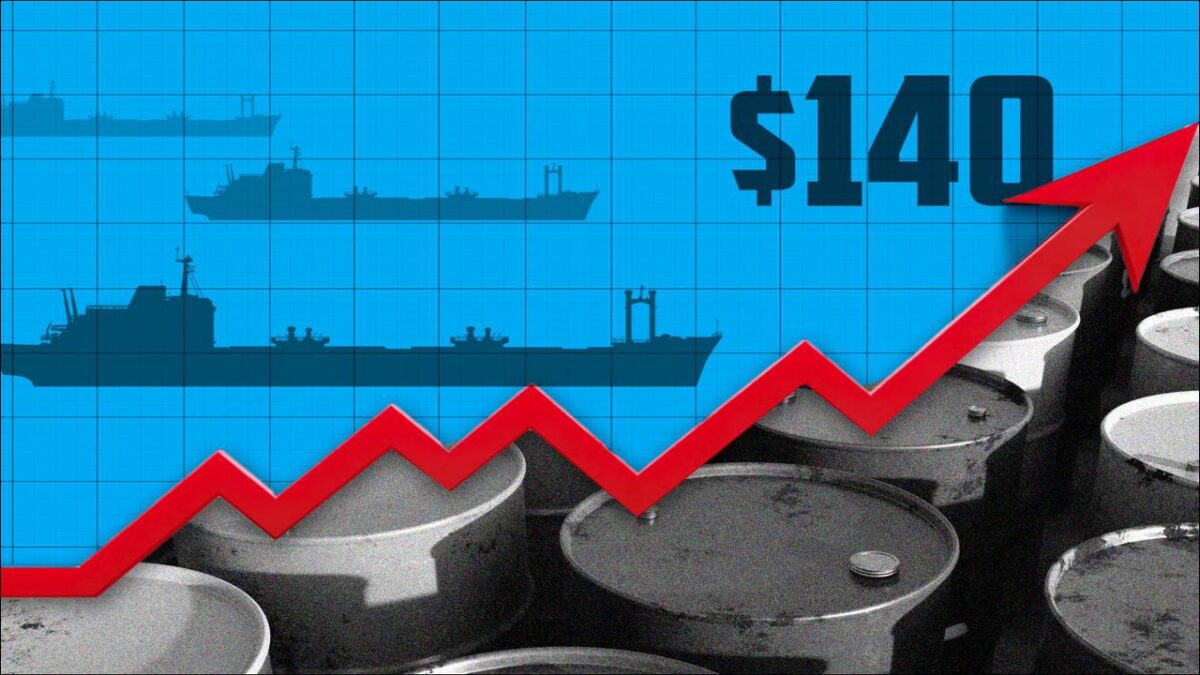
The global shipping industry often grapples with volatile factors, none more prominent recently than the surging cost of crude oil. Despite unprecedented spikes in oil prices, an interesting trend has emerged within the maritime sector: freight rates for containers are largely expected to withstand these sky-high operational costs. This resilience challenges conventional wisdom, suggesting a deeper, more complex interplay of market forces. Understanding this phenomenon requires an in-depth look into the unique dynamics of the container shipping market, its demand-supply balance, and strategic adaptations by major carriers to navigate inflationary pressures. While fuel remains a significant expense, its impact on the final freight rate appears buffered by other prevailing conditions that have kept shipping costs elevated for goods traversing global oceans.
Unpacking the Complex Drivers of Container Freight Rates
Container freight rates are not solely dictated by fuel costs; rather, they are a multifaceted reflection of global trade health, supply chain efficiency, and geopolitical stability. While bunker fuel’s price constitutes a substantial operating expense, its direct correlation to the final freight rate can be diluted by powerful market forces. Historically, rising oil prices often translated directly into higher shipping surcharges like the Bunker Adjustment Factor (BAF). However, the current environment sees rates already at historical highs due to factors separate from fuel costs. This includes unprecedented consumer demand, exacerbated by pandemic-induced shifts towards goods, leading to a surge in cargo volumes. Furthermore, persistent port congestion, particularly in major hubs, has effectively reduced available vessel capacity, creating an artificial scarcity of shipping space. Vessels spending more time waiting and less time transporting goods tightens the market. These structural bottlenecks, coupled with strong demand, provide a robust underpinning for current container rates, insulating them from the full brunt of rising oil prices. This creates a unique market equilibrium where demand-side pressures and supply-side constraints hold significant sway.
Navigating the High Seas of Fuel Costs: Strategies and Surcharges
The maritime shipping industry, especially the container segment, is undeniably one of the most fuel-intensive sectors globally. Consequently, oil price volatility poses a direct threat to profitability. Carriers, however, have developed sophisticated mechanisms to mitigate these risks. A primary tool is the implementation of fuel surcharges, most notably the Bunker Adjustment Factor (BAF). BAFs compensate carriers for fuel price fluctuations, ensuring a significant portion of increased fuel cost is passed on to shippers. These surcharges are typically reviewed and adjusted monthly or quarterly. While BAFs increase the overall cost for shippers, the fundamental container freight rates—the base rate for transporting goods—have demonstrated remarkable stability even as BAFs climb. This indicates the market has, to an extent, absorbed these additional fuel costs without a corresponding collapse in the base rate. Moreover, shipping lines employ various operational strategies to manage fuel consumption. Slow steaming, where vessels reduce speed to conserve fuel, is common, though it can extend transit times and contribute to congestion. Route optimization, investing in more fuel-efficient vessels, and exploring alternative fuels are part of a broader strategy to enhance operational resilience against fluctuating energy costs. Carriers are adept at forecasting and hedging fuel costs, using financial instruments to lock in prices, providing predictability. This proactive risk management contributes significantly to freight rates withstanding external pressures.
The Unyielding Power of Demand and Supply Imbalance
The primary reason behind the resilience of container freight rates against elevated oil prices lies in the fundamental economic principle of supply and demand. For an extended period, demand for container shipping services has outstripped available vessel capacity and port infrastructure efficiency. Global trade, fueled by robust consumer spending and businesses replenishing inventories, has maintained high cargo volume across major trade lanes. E-commerce, in particular, has driven a structural shift in consumer behavior, leading to sustained demand for imported goods. This relentless demand pressure means that despite the added fuel cost burden, shippers are often willing to pay higher rates to secure space and ensure timely delivery. On the supply side, the situation has been compounded by several factors. The COVID-19 pandemic severely disrupted global logistics networks, leading to widespread port congestion, labor shortages, and imbalances in empty container repositioning. These inefficiencies effectively reduced the active capacity of the global container fleet, as vessels spend more time waiting at anchor or navigating crowded port areas. The pipeline for new vessel deliveries, while growing, has not been sufficient to immediately alleviate these constraints. Furthermore, increasing regulatory pressures to decarbonize may further impact operational costs and fleet availability. This intricate dance between supply-side limitations and persistently strong demand creates a sellers’ market, where carriers leverage maintaining higher base freight rates, even as their own operational costs escalate. This robust market structure ensures the underlying value of shipping space remains high, acting as a buffer against inflationary pressures stemming from sky-high oil prices. The inelasticity of demand for critical goods further means businesses cannot simply stop shipping due to higher costs.
Future Outlook: Stability, Sustainability, and Market Normalization
Looking ahead, the question remains whether this era of robust container freight rates can persist indefinitely or if normalization is on the horizon. While oil prices continue as a significant variable, their influence on the base freight rate is likely secondary to demand-supply dynamics in the near to medium term. Analysts suggest new vessel capacity will gradually enter the market, but it will take time to fully alleviate existing congestion and balance the playing field. Furthermore, any significant downturn in global economic growth or consumer spending could eventually temper demand, putting downward pressure on rates. However, the industry is also investing heavily in sustainability initiatives, including alternative fuels and greener vessel technologies. These investments, crucial for environmental goals, often come with higher upfront costs and potentially higher operational expenses, which could embed a higher cost floor for future freight rates. The transition to a greener fleet may mean future base rates naturally settle at a higher level than pre-pandemic averages, reflecting increased capital and operational expenditures associated with sustainable shipping. Geopolitical factors and trade policy changes will also play a pivotal role, potentially rerouting trade lanes or altering demand patterns. The resilience demonstrated by container freight rates in the face of sky-high oil prices underscores the complex, interconnected nature of global maritime trade. It highlights an industry adapted to unprecedented challenges, leveraging strong demand and managing supply chain inefficiencies to maintain economic footing. While the exact trajectory of rates and fuel costs remains fluid, the industry’s ability to absorb and pass on cost increases, coupled with ongoing demand, suggests a significant collapse in rates due to oil prices alone is improbable. The market constantly adjusts, and while current conditions are unique, fundamental forces of supply and demand, alongside strategic carrier management, continue to shape the trajectory of global ocean freight.