Container Carriers Hesitate on Scrubber Systems | Mariner News
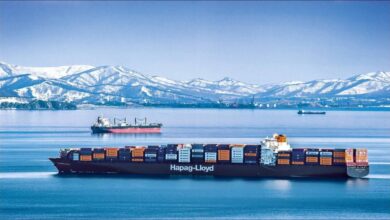
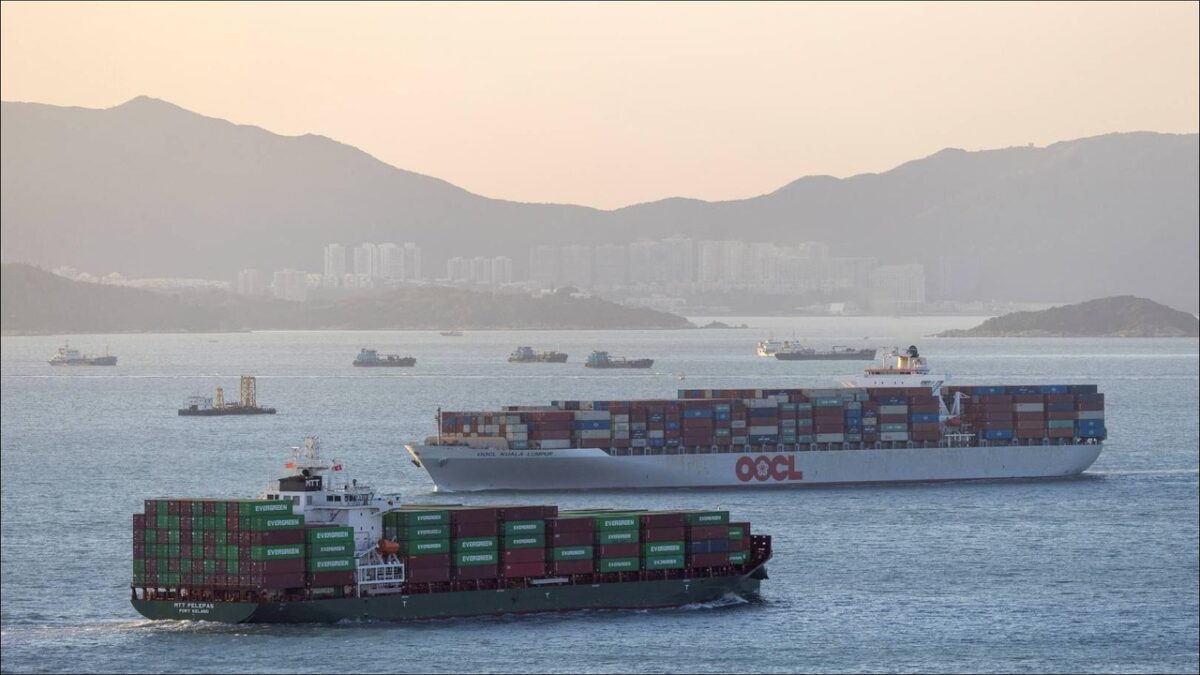
Despite stringent environmental regulations aimed at reducing sulfur oxide emissions, many container carriers remain notably hesitant to install scrubbers systems across their fleets. This reluctance stems from a complex interplay of economic uncertainties, evolving market dynamics, and operational considerations within the global shipping industry.
Economic Uncertainties & Compliance Costs
A primary barrier is the significant upfront capital investment required for scrubber installation, coupled with ongoing maintenance costs. While scrubbers allow vessels to continue burning cheaper high-sulfur fuel oil, the unpredictable spread between compliant very low sulfur fuel oil (VLSFO) and high-sulfur fuel (HFO) makes the return on investment less clear. Fleet operators are carefully weighing these costs against potential long-term savings, often in an environment of volatile global trade.
Alternative Solutions & Strategic Delays
Beyond the financial calculus, the availability and viability of alternative compliance methods also play a role. Many container lines have opted for using more expensive but compliant low-sulfur fuels, while others explore liquefied natural gas (LNG) as a future fuel option. This multifaceted approach suggests that some carriers are strategically delaying scrubber adoption, waiting for clearer market signals or more innovative, cost-effective solutions to emerge for maritime sustainability.