

Coast Guard Ends 2026 Great Lakes Saildrone Evaluation
The U.S. Coast Guard concludes its 2026 USV evaluation, shifting routine surveillance to autonomous Saildrones to free up manned assets.
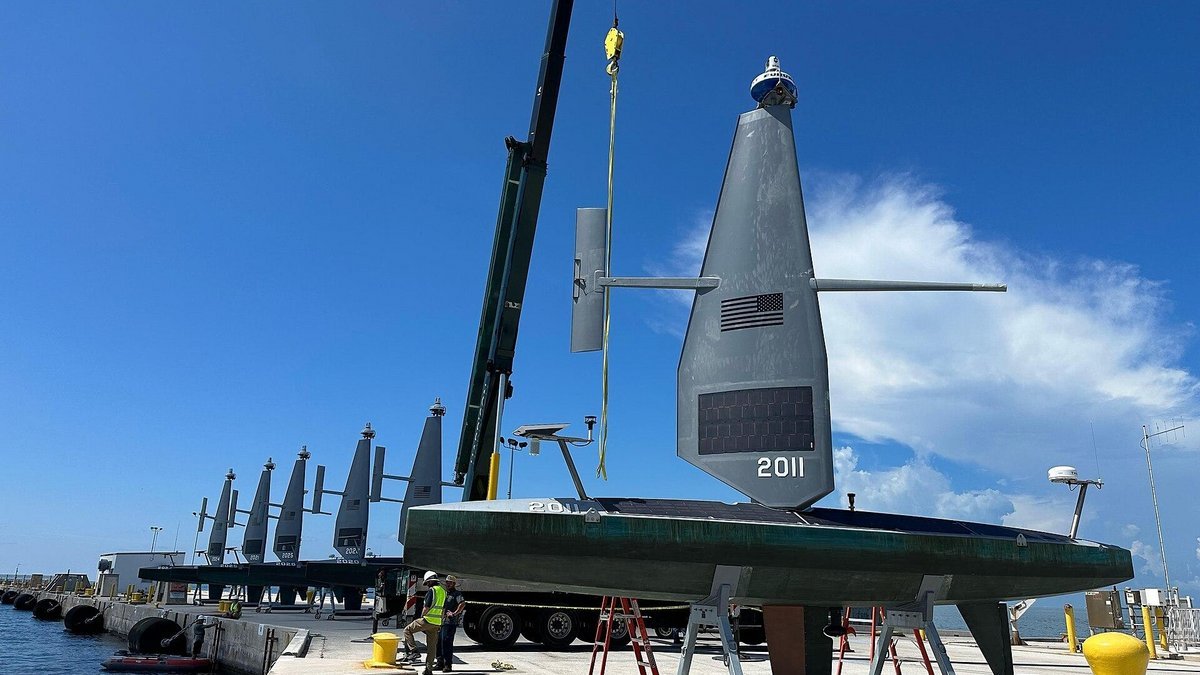
The U.S. Coast Guard is pulling six Saildrone Voyager unmanned surface vehicles from the Great Lakes this week, concluding a seasonal evaluation that signals a shift toward autonomous surveillance for routine maritime monitoring. By delegating weather tracking and border observation to wind-powered sensors, the Service is reallocating its cutters and aircraft to high-priority enforcement and life-saving tasks.
The six 33-foot vessels operated from April to November 2026, providing real-time data across 94,000 square miles of open water. Each Saildrone Voyager is propelled by wind with an auxiliary 4 kW electric motor and carries marine radar, an AIS transceiver, and optical cameras. To ensure safe navigation among commercial and recreational traffic, human operators in mission control centers piloted the craft 24/7 across three time zones.
This deployment follows previous autonomous evaluations in the Southeast, Southwest, and Northeast districts. The Coast Guard confirmed it will launch an additional test and evaluation period in the spring of 2027 to further integrate autonomous technology into its service-wide operations.
Why it matters
For commercial vessel operators and fisheries, the use of USVs creates a persistent surveillance layer that manned assets cannot match. These drones monitor international maritime boundaries and identify disabled vessels or navigation hazards in real-time. This allows fisheries enforcement to maintain visibility on commercial traffic without the cost of idling a manned cutter on the border.
The shift changes the operational math for search and rescue. By providing offshore weather data—including wave height and wind speed—before a rescue boat leaves the pier, the USVs reduce the risk to human crews. It turns the Great Lakes into a monitored environment where routine observation no longer requires a crewed hull, effectively expanding the Coast Guard’s reach without increasing its headcount.
This technology acts as a force multiplier rather than a replacement. By automating the observation of thousands of square miles, the Coast Guard can focus its high-value assets—cutters, boats, and aircraft—on missions that require human intervention, such as law enforcement and active rescues. For the maritime industry, this means a more responsive Coast Guard that uses data to identify emergencies faster.
What to watch
The next phase of evaluation begins in the spring of 2027, which will test how these autonomous systems handle the transition back to active service after the winter icing season.
Source: MarineLink