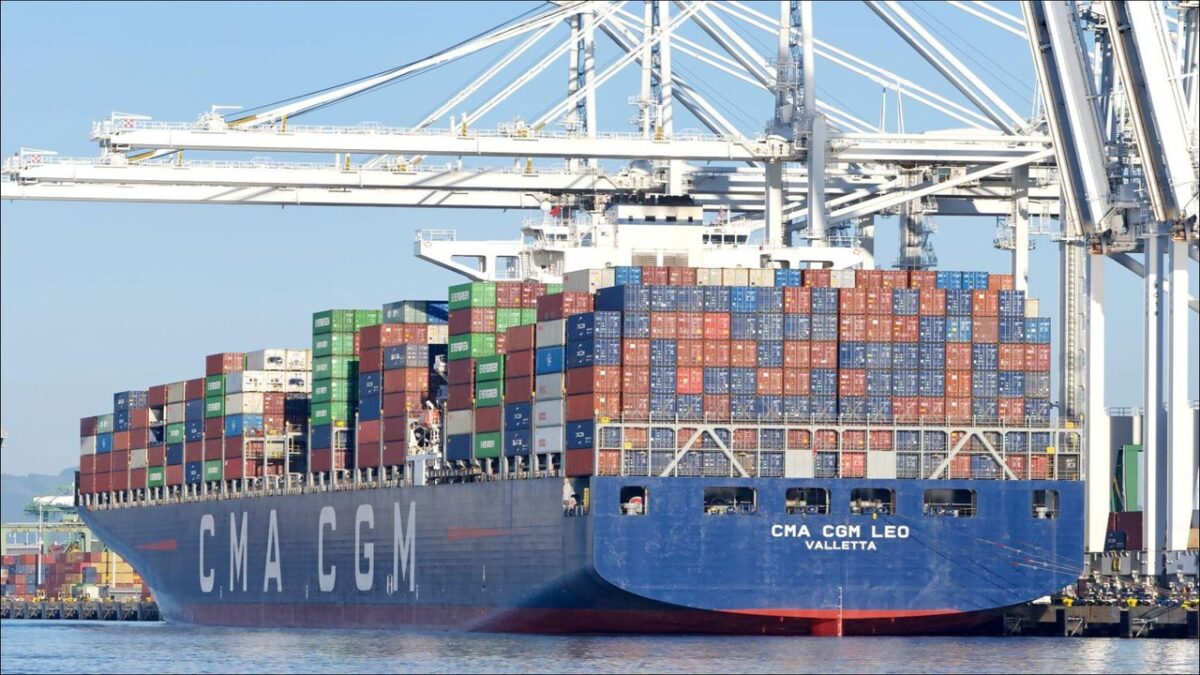
CMA CGM Shipping Profits Expected to Drop 30% by 2025 | Mariner News
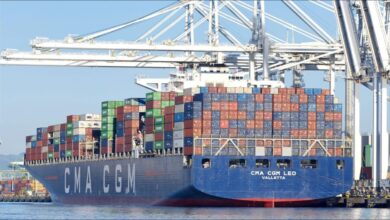
The global shipping giant, CMA CGM, is facing a significant challenge, with forecasts indicating a substantial CMA CGM shipping profits drop of 30 percent by 2025. This projected decline highlights the ongoing volatility and evolving landscape within the container shipping sector, a critical artery of global trade. After unprecedented highs during the pandemic-induced supply chain disruptions, the industry is recalibrating, grappling with an influx of new vessel capacity and a tempering of consumer demand. This anticipated downturn for one of the world’s largest shipping lines signals a broader shift, requiring strategic agility and robust financial management to navigate the choppy waters ahead for overall shipping profits in 2025.
The extraordinary boom experienced by container shipping companies from late 2020 through 2022 was driven by a confluence of factors: surging e-commerce, port congestion, and limited vessel availability, which collectively pushed freight rates to historic levels. However, as the global economy cools, inflation bites into consumer spending, and supply chains gradually normalize, the dynamics have shifted dramatically. The market is now characterized by an oversupply of new container vessels, ordered during the peak, entering service, further exacerbating the downward pressure on spot freight rates and impacting the financial performance of major carriers like CMA CGM. Understanding the drivers behind this projected profitability decline is crucial for stakeholders across the maritime industry and global logistics.
Analyzing the Downturn: Why CMA CGM Faces Profit Challenges
The forecast for a significant CMA CGM shipping profits drop by 2025 can be attributed to several critical market forces. Firstly, the most impactful factor is the normalization, and subsequent decline, in container freight rates. As port congestion eased globally and new vessel deliveries increased the available capacity, the supply-demand balance shifted dramatically. Carriers, which once commanded premium rates, are now engaged in more competitive pricing, eroding the margins that fueled their record profits.
Secondly, global trade volumes have softened. Economic headwinds, including persistent inflation, higher interest rates, and geopolitical tensions, have dampened consumer confidence and business investment. This translates directly into reduced demand for goods being shipped, leading to fewer full containers and less lucrative contracts. Major trade lanes are seeing reduced activity, which directly impacts the revenue streams of maritime logistics providers.
Finally, operational costs continue to rise. Despite falling freight rates, the costs associated with running a modern shipping fleet remain high. Fuel prices, while fluctuating, are still a significant expenditure. Additionally, labor costs, insurance premiums, and the increasing expenses related to complying with stringent environmental regulations contribute to a challenging cost environment. These compounding factors create a difficult scenario for maintaining the stellar financial performance witnessed in prior years, making a profit dip almost inevitable for companies like CMA CGM.
The Global Economic Landscape and Container Shipping Demand
The broader global economic landscape plays a pivotal role in shaping the demand for container shipping. The interconnectedness of world economies means that slowdowns in major consumer markets directly impact the volume of goods transported across oceans. For instance, reduced consumer spending in North America and Europe, driven by inflationary pressures and fears of recession, translates into lower import volumes from manufacturing hubs in Asia. This ripple effect creates a challenging environment for carriers like CMA CGM, as less cargo means less revenue potential.
Furthermore, shifts in global supply chains, while gradual, also contribute to altered demand patterns. Companies are increasingly looking to diversify their sourcing and manufacturing locations, moving away from over-reliance on single regions. While this strategy aims to build resilience, it can lead to reconfigured trade routes and potentially impact the efficiency and profitability of established shipping networks. The fragmentation of supply chains might create new opportunities but also introduces complexities in vessel deployment and network optimization for global trade logistics.
Geopolitical developments, such as trade disputes or regional conflicts, can further disrupt shipping routes and increase operational risks and costs. Uncertainty in international relations often leads to a cautious approach from businesses, impacting investment and trade flows. These macro-economic and geopolitical factors collectively exert immense pressure on the shipping industry trends, making it difficult for even the largest players to maintain consistent growth in profitability. CMA CGM, like its peers, must adapt to these dynamic external forces to mitigate the projected financial challenges.
CMA CGM’s Strategic Responses to Market Volatility
In response to the challenging market outlook and the anticipated CMA CGM shipping profits drop, the company has been actively pursuing strategic initiatives to bolster its resilience and diversify its operations. One significant area of focus has been the expansion into integrated logistics services. By acquiring companies like CEVA Logistics, CMA CGM aims to offer end-to-end supply chain solutions, reducing its sole reliance on volatile ocean freight rates. This diversification into broader logistics solutions provides a more stable revenue stream and allows them to capture value across the entire supply chain, not just the sea leg.
Another key strategy involves fleet modernization and a strong emphasis on sustainability. CMA CGM has been a frontrunner in investing in dual-fuel vessels, particularly those capable of running on LNG (liquefied natural gas) or methanol, showcasing its commitment to reducing carbon emissions. While these investments are substantial, they position the company favorably for future environmental regulations and can offer operational efficiencies in the long run. By leading in sustainable shipping, CMA CGM aims to attract environmentally conscious clients and enhance its brand reputation, potentially commanding premium services.
Furthermore, the company is likely implementing rigorous cost-cutting measures and optimizing its existing vessel network. This includes rationalizing services on less profitable routes, leveraging economies of scale where possible, and continuously seeking efficiencies in port operations and fuel consumption. Focusing on long-term contracts with key clients rather than solely relying on the volatile spot market also provides a degree of revenue stability. These proactive steps are crucial for mitigating the impact of the profitability challenges and ensuring the company’s long-term viability in a competitive maritime industry.
Future Outlook for Container Shipping Profitability
The projected CMA CGM shipping profits drop by 2025 is indicative of a broader industry trend towards more normalized, and potentially lower, profit margins compared to the pandemic peak. The crucial question for the industry now is when the market might stabilize. Analysts suggest that the ongoing influx of new vessel capacity will likely keep freight rates under pressure through 2024 and potentially into 2025. A significant improvement in profitability would require either a strong rebound in global trade demand, which seems unlikely in the short term, or a substantial reduction in new vessel orders and potential scrapping of older tonnage to rebalance supply and demand. The market outlook remains cautious.
Technological advancements and regulatory changes will also play a significant role in shaping future shipping profits. Digitalization of port operations, enhanced data analytics for route optimization, and autonomous vessel technology could lead to long-term cost reductions and efficiency gains. However, new environmental regulations, such as the EU ETS (Emissions Trading System) or the IMO’s carbon intensity indicator (CII), will introduce additional compliance costs, which carriers will need to manage effectively, potentially passing some onto shippers. The ability to innovate and adapt quickly will be a differentiator.
Consolidation within the container shipping sector might also be a trend to watch. Faced with squeezed margins, smaller players may struggle, potentially leading to mergers or acquisitions among the larger carriers seeking further economies of scale. While the immediate future points to continued pressure on financial performance, the long-term outlook for maritime trade remains positive due to global population growth and increasing interconnectedness. Companies like CMA CGM, with diversified portfolios and strong strategic vision, are best positioned to navigate these challenging times and emerge stronger when the market eventually recalibrates to a more sustainable growth trajectory, ensuring their competitive edge in global logistics.