CMA CGM Reroutes Ships Amid Iran Strikes, Boosts Security | Mariner News
In a significant development impacting global container shipping, French giant CMA CGM has issued urgent instructions for its vessels in the Persian Gulf to take shelter following recent Iran strikes and escalating regional maritime security concerns. This decisive move, mirroring actions by other major carriers, underscores the volatile geopolitical landscape and its immediate repercussions for international trade routes. The company’s immediate priority remains the safety of its crew and cargo as tensions mount in critical waterways, prompting widespread disruptions and forcing carriers to reassess established transit strategies. This event highlights the fragile nature of global supply chains when confronted with geopolitical instability, forcing shipping lines to implement rapid adjustments to safeguard their operations and personnel.
CMA CGM’s Immediate Response to Heightened Maritime Tensions
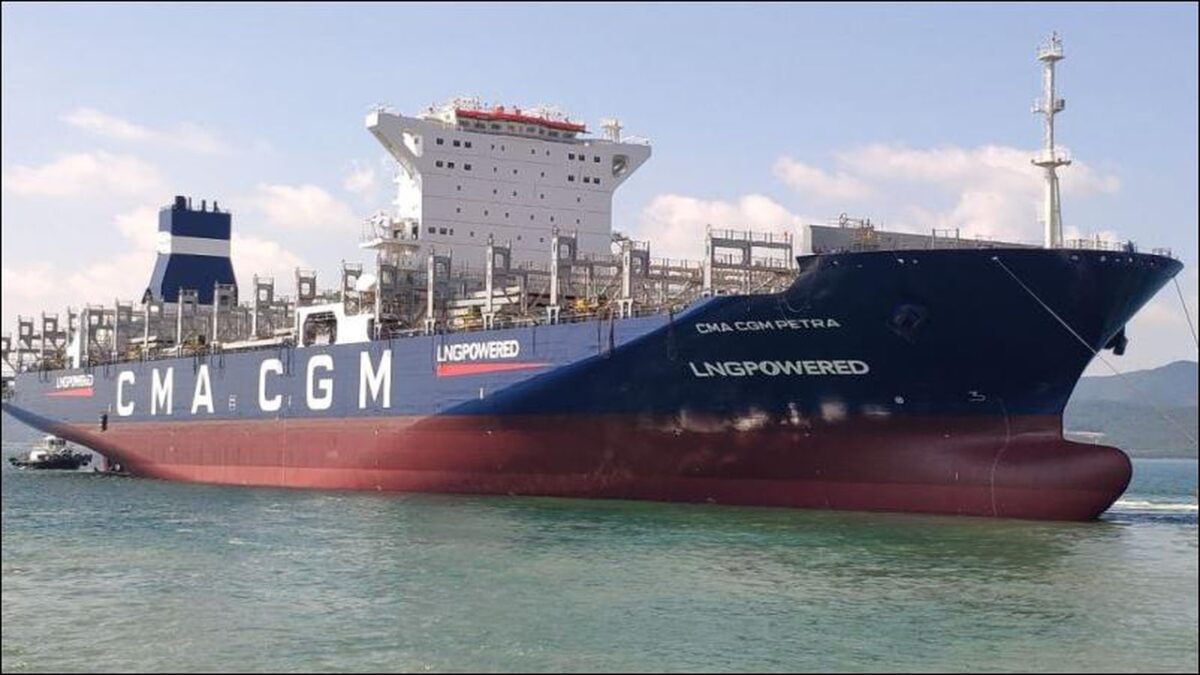
Following a period of intensifying regional friction, CMA CGM, one of the world’s leading container lines, swiftly responded to the uncertain maritime security situation. The company issued a directive instructing all its vessels currently within the Persian Gulf, and those bound for the area, to proceed to designated shelter locations with immediate effect. This precautionary measure reflects the grave concerns held by shipping operators regarding the safety of their assets and personnel in a zone suddenly embroiled in direct military action. The decision by CMA CGM was not an isolated incident; it followed a similar announcement earlier from German carrier Hapag-Lloyd, signaling a coordinated industry response to the palpable threat.
The swiftness of CMA CGM’s directive underscores the severity of the intelligence regarding potential threats to commercial shipping. Such instructions involve complex logistical maneuvers, including rerouting, coordinating with port authorities, and communicating effectively with vessel crews. For a container shipping conglomerate of CMA CGM’s scale, initiating such a widespread shelter order signifies a critical assessment of unavoidable risk, prioritizing human life and valuable cargo over adherence to pre-set schedules. This proactive stance is crucial for maintaining operational integrity in dynamic and dangerous environments.
The immediate consequence of these instructions is a cascade of delays and changes to existing schedules, impacting the delivery timelines for countless shipments. While the precise locations of these shelters are not publicly disclosed, the directive is clear: vessels must remove themselves from potential harm’s way. This strategic pause allows the company to continuously monitor the evolving situation, assess new information, and formulate a safer, more stable plan for future transits. The decision is a stark reminder that even the most meticulously planned global shipping routes can be instantly disrupted by geopolitical events.
Escalating Geopolitical Climate and Its Maritime Fallout
At the heart of CMA CGM’s urgent response lies the dramatically escalating geopolitical tensions in the Middle East. The original description cites US and Israeli strikes on Iran, which were met by Iranian retaliatory actions targeting US bases across the region. This tit-for-tat escalation directly impacts the Strait of Hormuz, a critical maritime chokepoint through which a significant portion of the world’s oil and liquefied natural gas (LNG) transits, alongside substantial volumes of general cargo and container traffic. Iran’s subsequent signaling of intent to potentially close the Strait to all maritime traffic raised alarm bells across the entire shipping industry news sector.
The Strait of Hormuz is not just a strategic waterway; it’s an economic artery vital for international trade. Any threat to its free passage sends immediate shockwaves through global markets, affecting everything from energy prices to freight rates. The potential closure or severe restriction of this shipping route forces commercial vessels to seek alternative, often far longer and more expensive, paths. This adds layers of complexity and cost to an already intricate global supply chain network, impacting businesses and consumers worldwide. The volatile situation demands continuous vigilance from vessel operators and governments alike.
This regional instability, fueled by direct military confrontations, creates an environment of extreme uncertainty for all shipping lines. Beyond the direct threat of military engagement, there’s also the increased risk of piracy, accidental targeting, or collateral damage. For container carriers like CMA CGM, navigating these waters becomes a high-stakes gamble. The unfolding crisis serves as a harsh reminder of how intertwined global commerce is with regional politics, and how quickly seemingly distant conflicts can directly impact global logistics and trade. The implications extend far beyond the immediate region, influencing global freight movement and supply chain resilience on a massive scale.
The Suez Canal Bypass: Rerouting Around the Cape of Good Hope
In a further demonstration of its commitment to safety and operational continuity, CMA CGM also announced the immediate suspension of all transits through the Suez Canal. This strategic decision, a direct consequence of the escalating maritime security concerns in the broader Middle East, necessitates the rerouting of numerous vessels around the Cape of Good Hope. While seemingly geographically distant, the Red Sea and Gulf of Aden approaches to the Suez Canal are increasingly seen as vulnerable due to heightened regional instability, making the longer route a safer, albeit more costly, alternative for shipping lines.
The Cape of Good Hope detour significantly increases transit times for container vessels traveling between Asia and Europe. What typically takes days through the Suez Canal can now extend to weeks, adding considerable mileage to each voyage. This extended journey directly translates into higher fuel consumption, increasing operational costs for CMA CGM and other carriers adopting similar measures. These additional expenses will inevitably impact freight rates, placing further pressure on shippers and ultimately, consumers. The economic implications of such large-scale rerouting are substantial and far-reaching.
Beyond the financial strain, the rerouting also creates significant logistical challenges. Longer transit times mean delays in cargo delivery, potentially causing bottlenecks at destination ports and disrupting tightly managed supply chain management systems. Fresh produce, time-sensitive goods, and just-in-time inventory models are particularly vulnerable to these extended delays. CMA CGM’s decision, while necessary for safety, highlights the inherent fragility of global container logistics when key shipping routes are compromised. The ripple effect will be felt across various industries, from manufacturing to retail, as companies grapple with unforeseen supply chain disruptions.
Impact on Global Container Logistics and Supply Chains
This large-scale rerouting orchestrated by CMA CGM and other prominent container carriers will undoubtedly have a profound impact on global container logistics and the stability of supply chains. The extended transit times around the Cape of Good Hope will lead to a reduction in effective vessel capacity as ships spend more time at sea. This could potentially drive up freight rates due to increased demand for available vessel space and higher operational costs. Shippers relying on predictable schedules will face significant challenges, necessitating adjustments to their inventory management and delivery expectations.
Furthermore, the rerouting introduces additional complexities related to risk management and maritime insurance. Insurers are likely to re-evaluate premiums for vessels traversing these newly perceived high-risk areas or taking extended routes. This added financial burden further contributes to the overall cost of international trade. Businesses reliant on specific delivery windows, especially those engaged in just-in-time manufacturing or retailing seasonal goods, will need to develop robust contingency plans to mitigate potential losses resulting from these unforeseen delays. The incident underscores the critical importance of adaptable logistics strategies.
The cumulative effect of these disruptions could lead to a broader deceleration of global trade flows. As major shipping lines adjust their networks, the efficiency of the entire container shipping industry is challenged. Ports may experience periods of congestion as delayed vessels arrive in clusters, further exacerbating the logistical hurdles. This situation not only impacts the immediate movement of goods but also forces companies to re-evaluate their long-term sourcing strategies, potentially leading to a diversification of suppliers or a re-shoring of production to enhance supply chain resilience in an increasingly volatile world. The need for flexible and agile logistics solutions has never been more apparent.
Prioritizing Crew Safety Amidst Unprecedented Risks
Central to CMA CGM’s resolute actions is the unwavering priority placed on the safety and security of its seafarers. In its official statement, the company explicitly reiterated that the well-being of its crew remains its foremost concern amidst the evolving maritime security situation. Operating container vessels through regions marked by geopolitical volatility exposes sailors to immense and unacceptable risks, including potential military engagement, the threat of missile strikes, or even deliberate targeting. These are not merely logistical challenges but profound human safety considerations that weigh heavily on shipping companies.
Ensuring the safety of maritime personnel involves more than just rerouting ships. It encompasses providing crews with up-to-date intelligence, implementing enhanced security protocols onboard, and offering psychological support for those operating in potentially dangerous zones. For CMA CGM, a global logistics giant, investing in crew safety is not only an ethical imperative but also a fundamental component of maintaining operational continuity and reputation. Any incident involving crew members could have devastating human and economic consequences, far outweighing the costs of rerouting or delays.
This emphasis on human safety serves as a powerful reminder of the inherent dangers faced by maritime professionals who keep global trade moving. In times of heightened maritime security threats, shipping lines must navigate a complex ethical and operational landscape, balancing the demands of commerce with the paramount duty of care to their employees. The decision to take shelter and reroute around potentially dangerous shipping routes is a direct reflection of this commitment, demonstrating that even amidst intense commercial pressures, the human element of container shipping remains non-negotiable.
Navigating Future Uncertainties: Strategic Adaptations for Container Lines
The ongoing crisis and CMA CGM’s strategic response highlight the critical need for robust contingency planning and adaptable shipping routes within the container shipping industry. While unexpected geopolitical events will always pose challenges, shipping lines are continuously refining their risk management frameworks to better anticipate and react to such disruptions. This involves not only real-time intelligence gathering but also developing flexible networks that can quickly pivot to alternative trade routes without complete collapse of freight movement schedules. The ability to reroute swiftly and effectively is becoming a hallmark of resilient logistics giants.
Looking ahead, this event, much like previous disruptions such as the Suez Canal blockage or other Red Sea incidents, will undoubtedly influence long-term investment in fleet capabilities and alternative shipping routes. There might be an increased focus on vessels capable of sustaining longer voyages more efficiently, or even exploring new infrastructure projects that could offer additional options for international trade. The volatile nature of key maritime chokepoints necessitates a fundamental re-evaluation of how global supply chain resilience is built and maintained, pushing for diversification and redundancy in shipping networks.
Ultimately, CMA CGM’s actions in the wake of the Iran strikes serve as a poignant case study in navigating extreme uncertainty within the maritime industry. It underscores the intricate relationship between geopolitics, maritime security, and global commerce. For container carriers and the wider shipping industry, the ability to adapt, prioritize safety, and maintain flexible logistics solutions will be paramount in sustaining international trade amidst an ever-changing and unpredictable global landscape. The ongoing challenge for these shipping lines will be to balance economic imperatives with the imperative for safety and security, ensuring reliable freight movement in a turbulent world.