Chinese Shipbuilder Invests in Seaspan Owner’s Future | Mariner News
Introduction – A New Era for Container Shipping Investment
A significant Chinese shipbuilder investment has sent substantial ripples through the global container shipping sector, marking a pivotal moment in maritime investment strategies. A prominent Chinese shipbuilding entity has strategically secured a substantial stake in Seaspan owner, Atlas Corp., echoing an earlier initiative by global shipping giant ONE. This trend underscores an accelerating shift towards greater vertical integration and control over critical maritime assets within the broader shipping industry investment landscape. This development represents a profound strategic realignment in the power dynamics of global maritime logistics, poised to reshape future fleet ownership models and the structure of the global container fleet, driven by a desire for enhanced resilience and competitive advantage.
The Strategic Imperative: Why Shipbuilders Invest in Leasing Assets
The decision by a major Chinese shipbuilder to invest in Atlas Corp., parent company of Seaspan, is rooted in a multifaceted strategic imperative. Seaspan, as the world’s leading independent owner and lessor of container ships, boasts a vital fleet indispensable to global commerce. Acquiring a direct Seaspan owner stake grants the shipbuilder influential access to the charter market, providing invaluable real-time insights into market demand and future vessel requirements. This offers leverage over subsequent newbuild orders and long-term fleet deployment strategies. This move mirrors ONE’s proactive stance, indicating a consensus among leading maritime players that greater integration across the entire shipping value chain is now essential for sustained growth and market leadership amidst volatility.
This assertive approach to maritime investment strategies is actively propelled by several compelling factors. The inherent volatility of the container shipping market compels players to diversify; vertical integration acts as a powerful hedge against fluctuations, stabilizing revenue and enhancing predictability. With global trade volumes growing, securing reliable access to container shipping capacity is crucial. Influencing global container fleet expansion through direct investment ensures a stable demand pipeline for shipbuilding. For a Chinese shipbuilder, this investment solidifies its competitive posture, securing a consistent order book, and fostering deeper technological collaboration, enhancing its edge amidst fierce global competition in shipbuilding trends and innovative vessel designs.
Seaspan’s Critical Role and the Value of This Acquisition
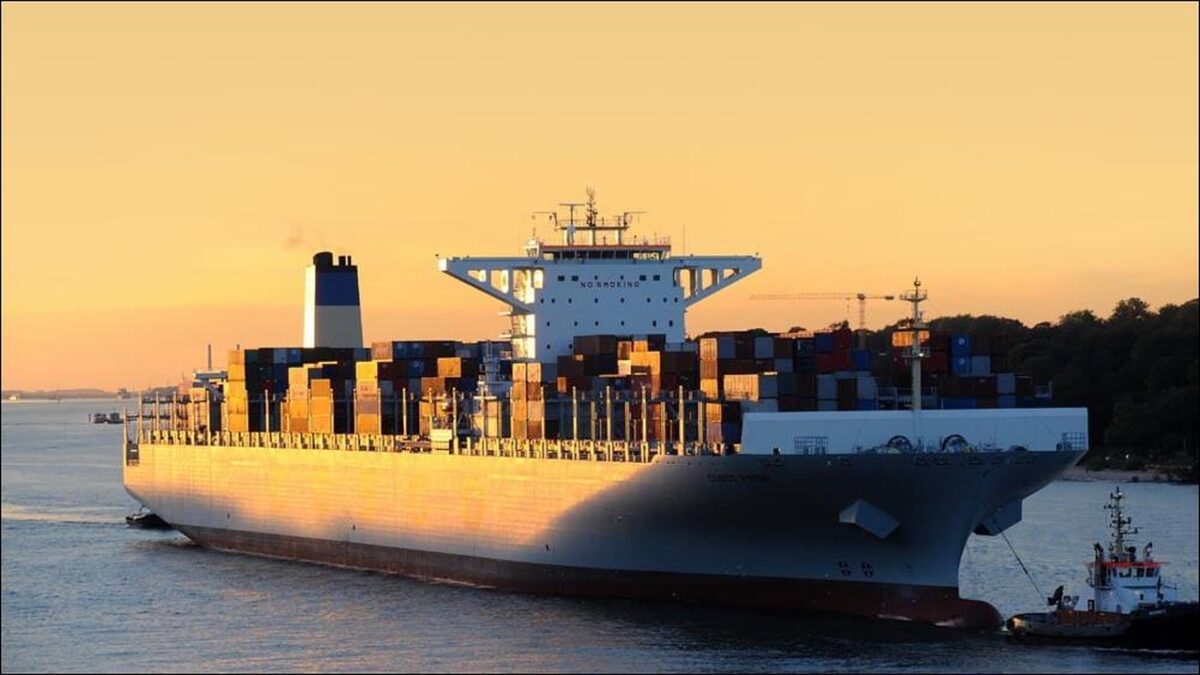
Seaspan Corporation, operating under the umbrella of Atlas Corp., is unequivocally a fundamental linchpin of the global container shipping ecosystem. Its role extends beyond mere vessel ownership, functioning as a critical enabler of global trade by chartering its vast fleet of advanced containerships to many of the world’s foremost liner companies. With an impressive operational fleet exceeding 130 vessels and an ambitious orderbook for new, technologically advanced, and highly fuel-efficient ships, Seaspan represents a monumental force in maintaining the essential fluidity and resilience of global supply chains. Any significant shipping industry investment, especially one involving a major Chinese shipbuilder investment, into such a crucial and influential player inherently carries immense strategic weight, profoundly impacting both the immediate fleet ownership landscape and the broader maritime logistics framework.
The enduring strategic value of Seaspan is not solely derived from its substantial existing fleet but critically from its pioneering, forward-thinking investment in modern, environmentally compliant vessels. This proactive approach to comprehensive fleet renewal and expansion aligns seamlessly with contemporary shipbuilding trends that vigorously prioritize greener shipping solutions, vastly enhanced operational efficiency, and a significant reduction in carbon footprints. For a Chinese shipbuilder, gaining a strategic Seaspan owner stake offers an unparalleled and transformative advantage: a direct, powerful conduit to a consistent stream of large-scale orders for cutting-edge vessels. This burgeoning relationship has the profound potential to blossom into a deeply symbiotic partnership, where the shipbuilder gains invaluable insights into the lessor’s evolving needs, while the lessor simultaneously benefits from preferential access to advanced shipbuilding capabilities, innovative design, and potentially accelerated delivery schedules. This integrated approach promises to robustly solidify their respective market positions and powerfully drive continuous innovation within the global container fleet.
Reshaping Global Market Dynamics and Future Competitiveness
The Chinese shipbuilder investment into Atlas Corp. is poised to usher in a transformative new era for global container fleet dynamics and fundamentally reshape the competitive landscape of the international charter market. With a major shipbuilder now holding a significant vested interest in one of the largest independent lessors, there is a strong likelihood of a perceptible and strategic shift in how new vessel orders are conceptualized, meticulously placed, and ultimately financed. This enhanced strategic alignment could powerfully foster more integrated procurement strategies, potentially granting a preferential position to the investing shipbuilder for a substantial portion of future newbuild orders. Such a scenario would inevitably intensify the already fierce competition among other global shipbuilders, compelling them to innovate further, enhance their technological offerings, and provide increasingly attractive financing terms to secure their own vital market share.
Furthermore, this impactful shipping industry investment is expected to exert considerable influence over the delicate balance of power between charterers and ship owners. A closer, more integrated relationship between a shipbuilder and a major lessor like Seaspan might lead to a more predictable and stable supply of vessels in the long term, offering increased security. However, it could also imply potentially less negotiating flexibility or harder bargaining positions for smaller, independent charterers who currently lack similar strategic alliances or integrated capabilities. The prevailing maritime investment strategies among major industry players are increasingly concentrated on consolidating power, achieving greater operational control, and systematically de-risking extensive operations through strategic vertical integration. This acquisition of a Seaspan owner stake serves as a prime illustration of this overarching trend, aiming to craft a more robust, efficient, and resilient supply chain for all involved parties, especially pertinent in a global economic climate frequently buffeted by persistent supply chain disruptions and geopolitical uncertainties.
The Evolving Landscape of Maritime Investment
This landmark Chinese shipbuilder investment transcends the scope of an isolated financial transaction; it serves as a powerful harbinger of a broader, more profound shift in overarching maritime investment strategies. The once distinct boundaries between shipbuilding, vessel ownership, asset management, and cargo operation are visibly blurring, giving way to a new paradigm of integrated maritime enterprise. Leading industry players are increasingly pursuing comprehensive strategies that seek to control multiple, interconnected facets of the entire maritime value chain. This holistic approach is meticulously designed to enhance overall operational efficiency, strategically reduce costs across the board, and secure a formidable competitive advantage in an ever-evolving global marketplace. The precedent established by ONE’s earlier strategic move, now powerfully reinforced by the significant participation of a prominent Chinese shipbuilder, strongly indicates that similar cross-sector investments are likely to become an increasingly common feature across various shipping segments, with container shipping leading the charge towards this integrated future.
Looking ahead, this accelerating trend towards vertical integration and strategic asset acquisition is unequivocally expected to culminate in a more consolidated and highly integrated global container fleet industry. In such a transformed environment, smaller, more specialized independent players might encounter escalating challenges in effectively competing with these vertically integrated giants, who possess formidable control over both shipbuilding capacity and extensive vessel assets. The industry’s strategic focus will inevitably pivot towards optimizing entire maritime logistics ecosystems, a complex process that will be driven synergistically by advanced data analytics, cutting-edge technology, and meticulously planned shipping industry investment. For astute investors, market analysts, and industry stakeholders, comprehending these rapidly evolving shipbuilding trends and discerning the nuances of modern fleet ownership strategies will be absolutely critical for predicting future market movements and effectively identifying emerging opportunities within the perpetually dynamic and intricate world of maritime logistics. This Seaspan owner stake stands as a compelling and potent indicator of the future trajectory of the industry: a clear path towards greater strategic control, deeper operational integration, and sophisticated alliances.