China’s Shanghai Sets 2030 Green Marine Fuel Targets | Mariner News
China has unveiled ambitious plans for alternative fuel bunkering in Shanghai, positioning the city as a key hub for green marine fuels by 2030. This strategic national initiative aims to significantly scale up the supply of cleaner energy options for the shipping industry, marking a major step towards maritime decarbonization. The targets focus on increasing the availability of Liquefied Natural Gas (LNG), methanol, and sustainable biofuels, reflecting a commitment to environmental stewardship and a shift away from traditional bunker fuels.
Setting Ambitious Bunkering Targets
Under the new blueprint, Shanghai is set to achieve substantial capacity for alternative fuels. By 2030, the port aims to supply approximately 450,000 metric tons per year (mt/year) of LNG bunker. Furthermore, the plan targets an impressive 1 million mt/year of methanol and biofuels combined. These figures highlight China’s aggressive push to integrate sustainable solutions into its vast maritime infrastructure, preparing for future global shipping demands.
Developing Green Marine Fuel Infrastructure
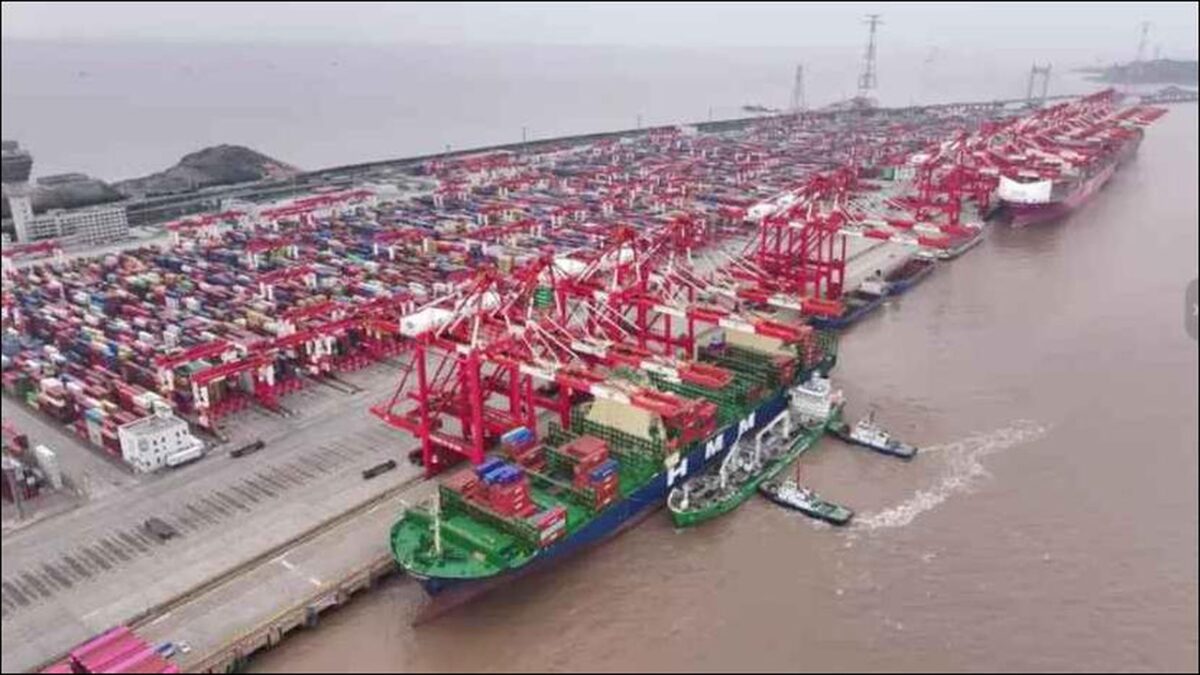
To support these ambitious goals, authorities plan extensive development of production, storage, transport, and bunkering infrastructure. Key areas, including Yangshan Port and the Yangtze River estuary, are earmarked for these upgrades. This comprehensive approach ensures that Shanghai will not only have the supply capacity but also the logistical framework required to efficiently deliver low-carbon marine fuels to vessels, reinforcing its status as a global shipping leader.