China’s First Methanol-Fuelled Ship Completes Maiden Voyage | Mariner News
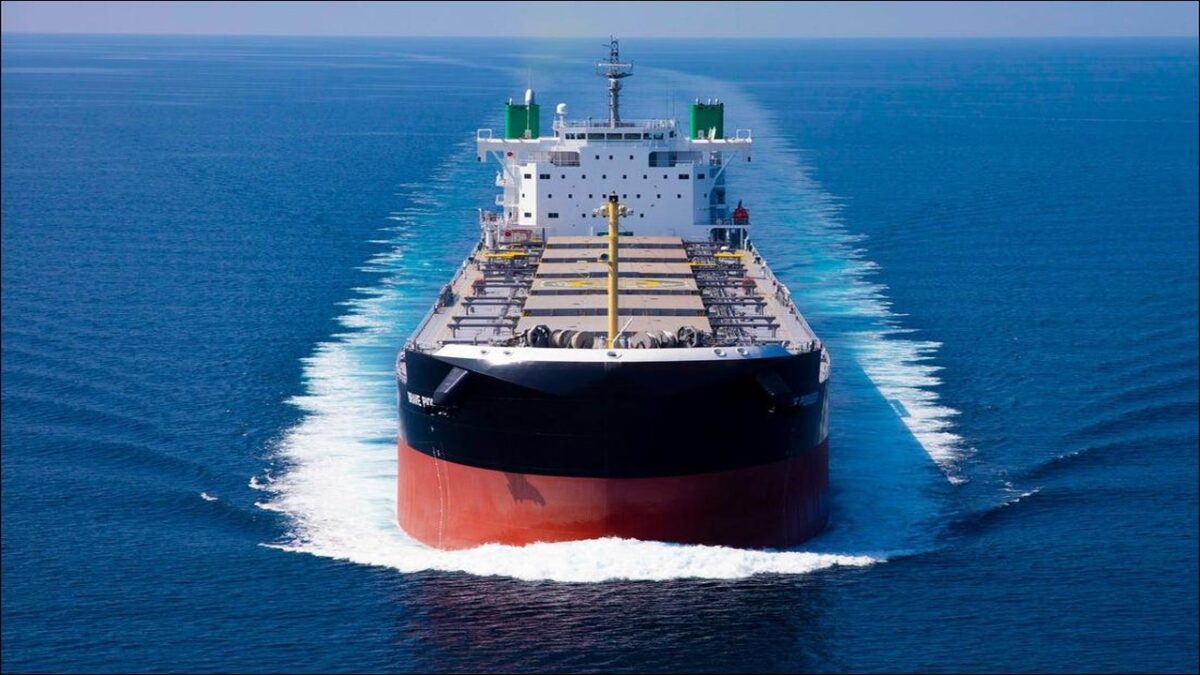
In a significant leap forward for global maritime decarbonization, China has proudly announced the successful maiden voyage of its first domestically built methanol-fuelled river-sea vessel, the ‘Innovation 19’. This pioneering event marks a pivotal moment for green shipping in China and signals a strong commitment to adopting alternative marine fuels. The successful journey on February 20 demonstrated the practical viability and operational efficiency of methanol propulsion, underscoring China’s growing leadership in sustainable maritime innovation. As the world grapples with the urgent need to reduce emissions from the shipping industry, the ‘Innovation 19’ stands as a tangible example of how innovative engineering and strategic vision can converge to pave the way for a cleaner, greener future at sea. This landmark achievement is not merely a technical success; it’s a profound statement about China’s dedication to environmental stewardship within its vast and vital maritime sector, offering valuable insights into the broader adoption of methanol-fuelled vessel China initiatives. The ‘Innovation 19’ embarked on its historic journey, carrying 11,000 metric tons of iron ore, symbolizing the seamless integration of sustainable technology with essential commercial operations. Its successful completion of the route from Ningbo’s Beilun Ore Terminal to Jiangyin is a testament to the robust design and rigorous testing that underpins this groundbreaking project, setting a new benchmark for sustainable maritime China. The voyage highlights the potential for methanol to power not just international routes but also critical domestic river-sea trade, which forms the backbone of China’s internal logistics and economic activity. This integration of advanced fuel solutions into such a crucial segment of the shipping network promises significant environmental benefits across various operational scales. The implications extend beyond the immediate practical application, inspiring confidence in the wider maritime community about the feasibility of transitioning to lower-carbon fuels. This event effectively shifts methanol from a theoretical solution to a proven, operational reality for green shipping in China.
Pioneering Methanol Propulsion Technology for a Greener Fleet
The vessel itself, measuring 126.6 meters, is more than just a ship; it is a testament to advanced propulsion systems. At its heart lies a domestically developed methanol engine, engineered to achieve an impressive methanol substitution rate of over 90%. This means the vessel operates predominantly on methanol, with only a minimal amount of conventional fuel required to support the combustion process. This high substitution rate is crucial for maximizing emission reductions, as methanol significantly cuts sulfur oxides (SOx), nitrogen oxides (NOx), and particulate matter, alongside a substantial reduction in carbon dioxide (CO2) emissions compared to traditional marine fuels. The success of this engine, developed by the esteemed 711 Research Institute under the China State Shipbuilding Corporation (CSSC), underscores China’s burgeoning capabilities in marine engineering and its ambition to lead the development of alternative marine fuels. The ‘Innovation 19’ showcases not only the technical prowess but also the strategic foresight required to implement such complex and environmentally critical technologies on a commercial scale, solidifying its role as a pioneer for methanol-fuelled vessel China. This technological triumph directly reflects China’s overarching commitment to a greener future.
China’s Ambitious Green Maritime Strategy and Infrastructure
China has been aggressively ramping up efforts to build green methanol production and supply infrastructure, recognizing the critical link between fuel availability and the widespread adoption of sustainable shipping solutions. At industry events such as the IBIA Annual Convention 2025, delegates expressed strong confidence in China’s trajectory to become a primary hub for green methanol. This integrated approach, encompassing both the demand side (vessel technology) and the supply side (fuel production and bunkering), is essential for fostering a self-sufficient and scalable ecosystem for maritime decarbonization. The proactive stance by the Chinese government, supported by entities like the Ningbo Maritime Safety Administration, which coordinated safety oversight for the maiden voyage, is instrumental in accelerating this green transition. Such strategic investments and regulatory support are vital in overcoming the initial hurdles associated with new fuel adoption, thereby streamlining the path for more green shipping in China and beyond. The adoption of methanol as a marine fuel aligns with global efforts to meet the International Maritime Organization’s (IMO) ambitious decarbonization targets, including the goal of achieving net-zero greenhouse gas emissions by or around 2050.
The Advantages of Methanol in Maritime Decarbonization
Methanol, as a liquid fuel at ambient temperatures and pressures, offers significant advantages over other alternative fuels like liquefied natural gas (LNG), ammonia, or hydrogen. Its relatively straightforward handling, storage, and bunkering procedures, coupled with its biodegradable nature, make it an attractive option, particularly for river-sea vessels operating within coastal and inland waterway networks. The ‘Innovation 19’ thus serves as a practical blueprint for how various segments of the global fleet can transition towards lower-carbon operations, contributing significantly to a sustainable maritime future. The successful integration of methanol propulsion into a working commercial vessel proves that these sustainable solutions are not just theoretical, but ready for widespread deployment. The operational experience gained from the ‘Innovation 19’s maiden voyage will be invaluable. It will provide crucial data on fuel consumption, engine performance, emissions profiles, and operational safety under real-world conditions. This data will inform future designs, refine operational best practices, and contribute to the standardization of procedures for methanol-fuelled vessels.
Global Implications and Future Outlook for Sustainable Shipping
China’s foray into methanol-fuelled shipping is expected to have far-reaching global implications. As the world’s largest shipbuilding nation and a major maritime power, China’s adoption of alternative fuels can significantly influence international trends and encourage broader industry shifts. The development of indigenous technologies and the scaling of domestic green methanol production facilities could potentially position China as an exporter of both technology and fuel, further solidifying its role in the global maritime decarbonization effort. This pioneering spirit extends an open invitation for international collaboration, sharing best practices, and jointly tackling the challenges of climate change within the shipping sector, fostering a truly sustainable maritime future for all. Beyond the immediate environmental benefits, the transition to alternative marine fuels like methanol opens up new economic opportunities. It spurs innovation in engine design, shipbuilding, fuel production, and logistics, creating new industries and jobs. For China, investing in methanol-fuelled vessel China technology and infrastructure can reinforce its position as a global leader in green technology. The ‘Innovation 19’ represents more than just a single vessel completing a voyage; it signifies the birth of a new era of maritime transport that prioritizes environmental responsibility without compromising economic viability. This holistic view ensures that the pursuit of green shipping in China is both environmentally sound and economically sustainable, providing a compelling model for other nations to emulate.
Looking ahead, the successful maiden voyage of the ‘Innovation 19’ is just the beginning. It will undoubtedly inspire further research, development, and deployment of methanol propulsion systems across various vessel types and operational profiles within China and internationally. The momentum generated by this achievement, coupled with ongoing policy support and technological advancements, suggests a bright future for methanol as a key component of the global maritime energy mix. This vessel’s journey has illuminated a clear path towards achieving sustainable shipping solutions, proving that ambitious environmental goals are attainable through dedicated innovation and strategic investment. It reinforces the notion that China’s maritime sector is committed not just to growth, but to responsible, sustainable growth, charting a course towards a truly sustainable maritime future. The ‘Innovation 19’ has sailed, and with it, a new chapter in the story of green shipping in China has begun. It’s a compelling testament to human ingenuity and a beacon of hope for a cleaner ocean. This vessel is truly a symbol of progress, demonstrating the practical application of alternative marine fuels and offering a template for widespread adoption across the global fleet. The stage is now set for accelerated progress, as China continues to lead by example, transforming its ambitious visions into tangible achievements. The future of sustainable maritime China is here, and it’s powered by methanol.