

China’s shift to dry bulk exporter reshapes Pacific geared trades
Belships CEO Ivar Hansson Myklebust says China's new role as a dry cargo exporter is altering demand for geared bulk carriers in the Pacific.
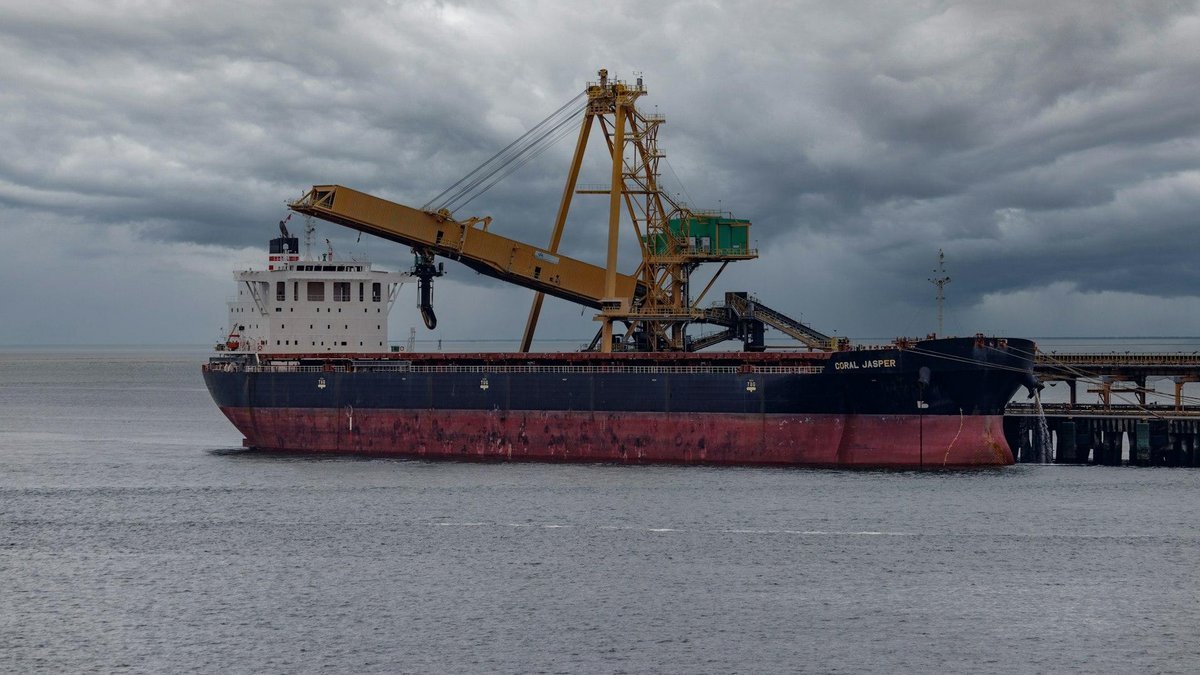
China’s evolution from a dominant importer to a significant exporter of dry cargoes is fundamentally altering trade patterns for geared bulk carriers in the Pacific. Belships CEO Ivar Hansson Myklebust warns that the industry continues to underestimate the trade volumes generated by developing economies, even as fleet supply remains predictable for the next three to four years.
Myklebust, who leads the Norwegian bulk carrier specialist, says the shift in Chinese trading patterns adds new dimensions to the traditional routes that have defined the sector for decades. This transition from an almost sole importer to a large exporter is specifically impacting the handysize and supramax markets, where geared vessels handle a wide variety of minor bulk commodities.
While demand remains volatile, the supply side of the equation is more certain. Myklebust notes that fleet demographics are well-known through 2030 or 2031, leaving the industry to grapple with uncertainties regarding how much cargo will actually move. He also points to ongoing geopolitical disruption, citing the fatal attacks on merchant shipping in the Black Sea and Arabian Gulf as a primary concern for seafarer safety and operational stability.
Why it matters
For owners of geared vessels, the emergence of China as a dry cargo exporter changes the economics of the Pacific basin. This shift likely creates new triangulation opportunities, allowing vessels that previously ballasted away from China after discharging to find outbound employment. However, it also forces a rethink of fleet positioning, as the traditional one-way flow of commodities into China is no longer the only driver of regional rates.
The persistent underestimation of growth in developing economies suggests that minor bulk demand may be more resilient than many shipping forecasts suggest. If trade volumes from these regions continue to exceed expectations, the relatively fixed fleet supply for the next three years provides a floor for the market. Owners who position for this physical trade volume growth in emerging markets stand to benefit from a supply-demand balance that is tighter than the consensus view.
The focus on everyday technological improvements over revolutionary changes indicates a pragmatic shift in how owners manage costs. By prioritizing maintenance planning and freight collection over unproven technologies, companies like Belships are looking to squeeze margins from existing operations rather than waiting for a single technological breakthrough to solve efficiency challenges.
What to watch
The Minor Bulks panel at the Geneva Dry conference on April 28, 2027, will provide the next major data point on whether China’s export role is a permanent structural shift or a temporary market reaction.
Source: Splash247