

China and US Extend Port Fee Waivers to January 2027
China and the US have delayed reciprocal shipping fees until 2027, providing temporary relief for transpacific trade and Chinese-built tonnage.
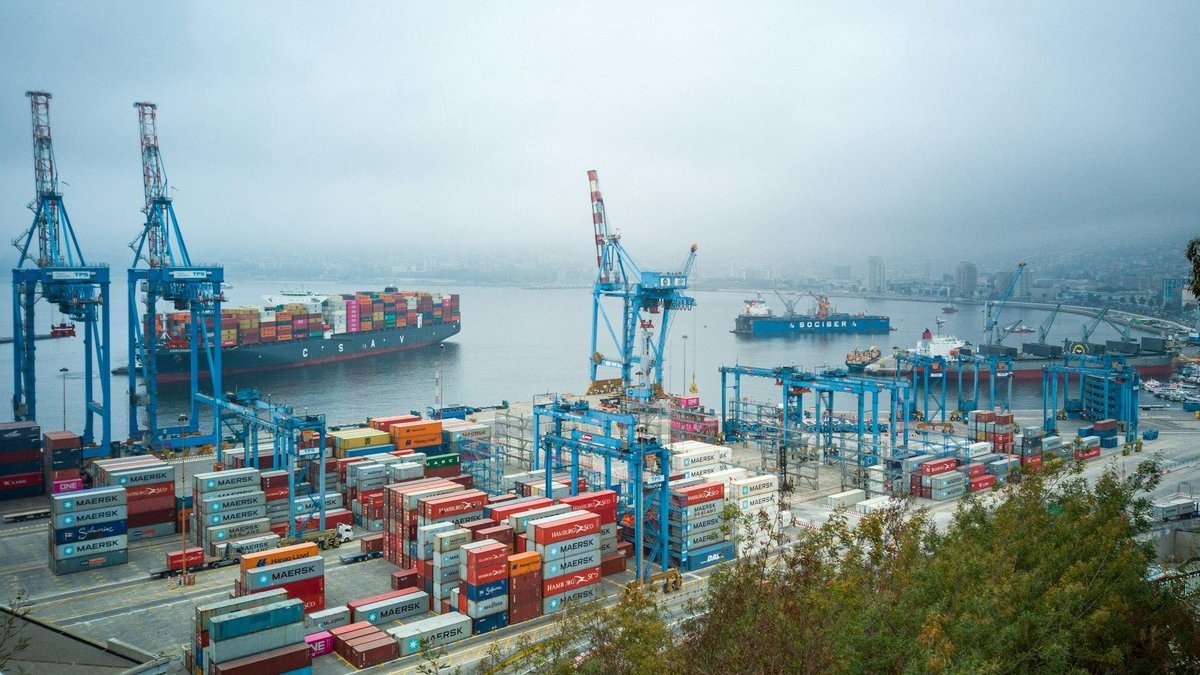
China and the United States have extended the suspension of reciprocal port fees until January 2027, offering a temporary ceasefire in a trade dispute that has already triggered record cargo volumes as shippers rush to beat potential tariffs.
China’s Ministry of Transport confirmed on Monday it will continue to defer special port charges on ships linked to the United States until January 10, 2027. The move follows a similar announcement from the U.S. Trade Representative’s Office (USTR) delaying Section 301 fees on Chinese-built commercial ships and vessels operated by Chinese companies calling at U.S. ports.
The extension coincides with the eighth round of trade consultations between the two nations. Alongside the shipping fee waiver, China’s State Council approved the suspension of a 24 percent additional tariff on U.S. imports and delayed sanctions against five units of Hanwha Ocean. However, Chinese officials noted they will maintain a 10 percent tariff and continue to track U.S. trade actions for potential adjustments.
The U.S. fees originally stemmed from a 2025 investigation into claims that China unfairly subsidizes its shipbuilding industry, which currently accounts for roughly 70 percent of global orders. While the U.S. program targets any international company using Chinese-built ships, China’s reciprocal measures focus more narrowly on U.S.-built and U.S.-flagged commercial shipping.
Why it matters
The 14-month extension provides immediate cost relief for owners of Chinese-built tonnage and operators on transpacific routes. Without this delay, the expiration of waivers this month would have imposed heavy financial penalties on a vast segment of the global fleet. For charterers and cargo owners, the move prevents an immediate spike in landed costs during a period of high inflation.
However, the reprieve comes too late to prevent significant market distortion. Uncertainty over these waivers has already forced an early peak season, with shippers rushing orders to beat the previous deadline. This front-loading has pushed the ports of Los Angeles and Long Beach toward record-breaking years, creating operational strain that may subside now that the immediate threat has moved to 2027.
For shipowners, the long-term risk remains high. The U.S. stance on Chinese shipbuilding subsidies has not changed, and the threat of Section 301 fees returning in 2027 will weigh on newbuild investment decisions. Owners ordering ships today for delivery in late 2026 or 2027 must factor in the possibility that their assets could face discriminatory port fees in the U.S. from day one.
The timing of the extension is tied to political shifts in Washington. Following the recent midterm elections, the U.S. Congress is expected to oppose tariffs that drive up the cost of living. This domestic pressure likely gave the USTR the mandate to delay the fees, providing a window for President Xi Jinping and Donald Trump to seek a broader deal during next week’s APAC Summit.
What to watch
The meeting between Xi and Trump at the 2026 APAC Summit in China next week will determine if this extension is a prelude to a permanent agreement or merely a tactical delay. Any shift in the 10 percent tariff China chose to maintain will signal the true temperature of the negotiations.
Source: The Maritime Executive