Carnival’s Alaska Shore Power Project Boosts Sustainability | Mariner News
Carnival Corporation, a global leader in the cruise industry, is making significant strides toward environmental stewardship with the progression of its Carnival Alaska Shore Power Project in Whittier, Alaska. This ambitious initiative represents a pivotal step in the company’s broader commitment to decarbonization, aiming to drastically reduce emissions from its vessels while docked in one of the world’s most pristine natural environments. By enabling cruise ships to plug into the local power grid, the project signals a cleaner, quieter, and more sustainable future for maritime tourism in the region, aligning perfectly with global efforts to combat climate change and protect sensitive ecosystems.
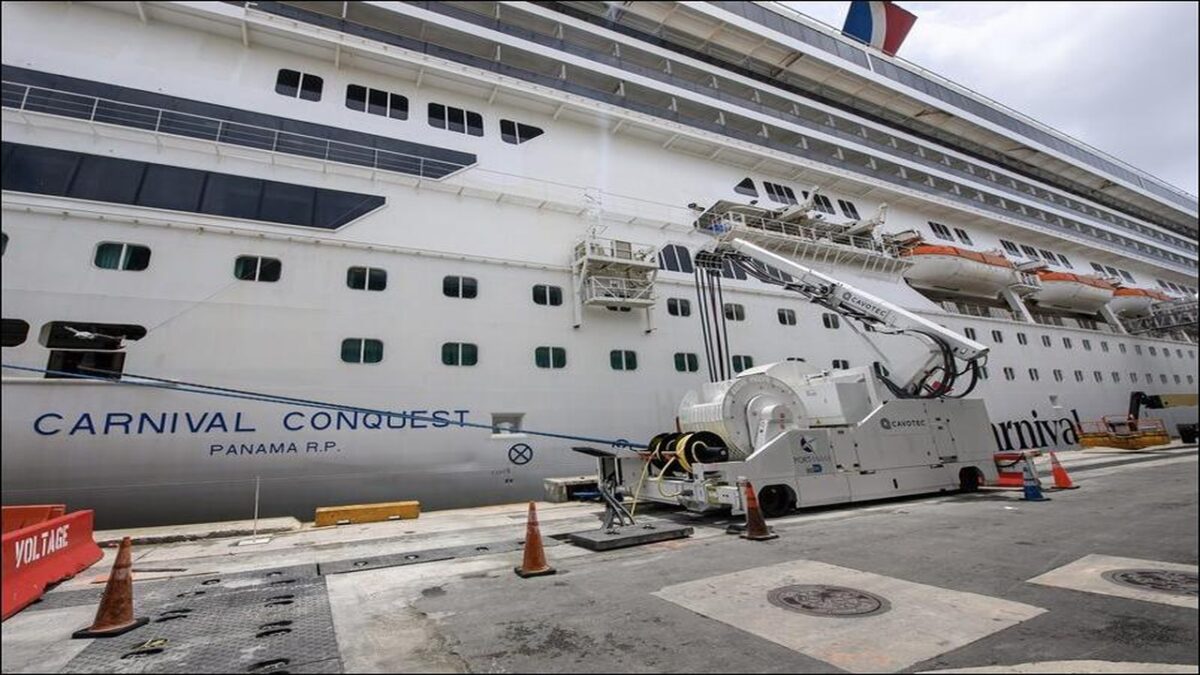
The project, a collaborative effort involving Carnival Corporation, the State of Alaska, and Chugach Electric Association, is designed to allow ships from prominent brands like Holland America Line and Princess Cruises to switch off their engines, effectively eliminating at-berth emissions. This transition to shore power, often referred to as ‘cold ironing,’ is a cornerstone of modern green port technologies. It ensures that while passengers explore the breathtaking landscapes of Alaska, the ships that brought them there leave a minimal environmental footprint in port. The implications of this development are profound, promising cleaner air for local communities and reduced noise pollution, enhancing the overall quality of life and preserving the tranquility of Alaskan wilderness.
Powering a Greener Alaska: The Whittier Electrification Initiative
The Whittier electrification project is a testament to the power of collaboration in achieving environmental goals. Initiated with construction commencing in 2023, this venture is backed by a substantial $12 million in combined funding, demonstrating the serious commitment from all partners involved. The scope of work encompasses critical electrical upgrades and the meticulous installation of state-of-the-art shore-side connection systems, engineered to safely and efficiently deliver power from the local grid to the cruise vessels. Key equipment necessary for these sophisticated operations has already been delivered, marking significant progress towards the project’s expected completion in 2027.
Upon its full operational status, the shore power infrastructure in Whittier will represent a monumental leap forward for sustainable tourism. Instead of burning marine fuel to generate electricity for onboard services—ranging from lighting and air conditioning to galley operations and entertainment systems—ships will draw clean, locally sourced power. This innovative approach directly addresses the challenge of at-berth emissions, which are a concentrated source of air pollutants in port communities. The ability to utilize the existing land-based electrical grid not only mitigates environmental impact but also showcases a forward-thinking approach to integrating maritime operations with local energy solutions.
The partnership with Chugach Electric Association is particularly vital, as it ensures that the power supplied to the cruise ships is generated sustainably and reliably. Such initiatives are crucial for regions like Alaska, where the natural environment is both a key attraction and a sensitive resource requiring utmost protection. The successful implementation of the Whittier shore power system will serve as a powerful model for other port cities grappling with similar environmental considerations, demonstrating that economic activity and ecological preservation can coexist and even mutually reinforce each other through strategic investments in green technology.
Decarbonization at Sea: Carnival’s Commitment to Sustainability
For Carnival Corporation, the Whittier shore power project is far more than an isolated environmental endeavor; it is an integral component of a comprehensive and ambitious decarbonization strategy. As articulated by Robert Morgenstern, senior vice president for Princess and Holland America’s Alaska operations, “Shore power remains an essential part of our decarbonization strategy as we pursue net zero greenhouse gas emissions from our ship operations by 2050.” This declaration underscores the company’s long-term vision and its proactive approach to addressing the global climate crisis within the maritime sector.
The pursuit of net-zero greenhouse gas emissions by 2050 is a formidable target, necessitating a multi-faceted strategy that includes not only shore power but also advancements in propulsion systems, energy efficiency, alternative fuels, and waste management. Shore power offers an immediate and impactful solution for reducing the carbon footprint of ships during their port calls, which can constitute a significant portion of a vessel’s operational time. By minimizing the reliance on fossil fuels while docked, Carnival is actively contributing to the reduction of CO2, nitrogen oxides (NOx), sulfur oxides (SOx), and particulate matter, all of which have detrimental effects on air quality, human health, and ecosystems.
This commitment to environmental responsibility resonates throughout Carnival’s operations, extending beyond individual projects to encompass fleet-wide initiatives aimed at improving fuel efficiency, exploring liquefied natural gas (LNG) as a cleaner-burning marine fuel, and investing in advanced wastewater treatment systems. The Carnival Alaska Shore Power Project serves as a tangible example of how these broader sustainability goals are translated into concrete actions on the ground, or rather, at the pier. It reinforces the message that the cruise industry is not merely adapting to environmental regulations but is actively seeking out innovative solutions to lead the charge towards a more sustainable future for maritime travel.
The Benefits of Shore Power for Alaskan Communities and Ecosystems
The direct beneficiaries of the Whittier shore power project extend far beyond the cruise lines themselves. Alaskan communities, particularly the residents of Whittier, stand to gain significantly from the reduction in ship emissions. Improved air quality is a primary advantage, meaning fewer respiratory issues for residents and a healthier urban environment. The elimination of engine noise from docked ships will also restore a sense of tranquility to the port area, enhancing the quality of life for those living and working nearby.
Moreover, the pristine and unique ecosystems of Alaska, renowned for their stunning glaciers, abundant wildlife, and untouched wilderness, will benefit immensely. Reduced emissions mean less deposition of pollutants that can harm fragile marine life, terrestrial flora, and fauna. Protecting these natural treasures is paramount not only for environmental conservation but also for sustaining Alaska’s vital tourism industry, which relies heavily on the appeal of its unspoiled landscapes. By adopting cleaner port technologies, Carnival is helping to safeguard the very essence of what makes Alaska a world-class destination.
Beyond the environmental advantages, there are potential economic upsides as well. The shore power infrastructure project creates local jobs during its construction phase and supports local utility providers in the long term. It also positions Whittier and Alaska as leaders in sustainable tourism and green port development, potentially attracting more environmentally conscious travelers and investments in eco-friendly infrastructure. This forward-looking approach fosters a symbiotic relationship between economic development and environmental protection, setting a precedent for responsible tourism in environmentally sensitive regions.
Technological Advancements and Future Outlook for Green Ports
The implementation of shore power systems like the one in Whittier is a complex undertaking, involving sophisticated engineering and seamless integration with existing electrical grids. It requires specialized equipment on both the ship and shore sides, including high-voltage cables, transformers, and connection points that can withstand harsh marine environments. The technological advancements in smart grid management and power distribution are crucial in ensuring that ships can reliably and efficiently draw power without disrupting the local supply or compromising safety.
The trend towards shore power is gaining momentum globally, with an increasing number of ports investing in similar infrastructure to meet stricter environmental regulations and industry demands for sustainability. The success of projects like the Carnival Alaska Shore Power Project encourages broader adoption, demonstrating the feasibility and benefits of cold ironing on a larger scale. This collective movement towards electrifying ports is a vital step in the global maritime industry’s journey towards decarbonization and environmental responsibility.
The future outlook for green ports is bright, envisioning a network of interconnected harbors capable of powering ships with renewable energy sources. This requires continued innovation, investment, and collaboration among shipping companies, port authorities, utility providers, and governments. The Whittier project exemplifies this collaborative spirit, paving the way for more comprehensive green port initiatives that will transform maritime operations worldwide. As technology evolves and the push for sustainability intensifies, we can anticipate a future where clean energy solutions are the norm, not the exception, in ports across the globe, significantly reducing the environmental footprint of the shipping industry.
In conclusion, the progression of the Carnival Alaska Shore Power Project in Whittier is a significant milestone for both Carnival Corporation and the broader maritime industry’s sustainability efforts. By investing in this vital infrastructure, Carnival is not only fulfilling its commitment to achieving net-zero greenhouse gas emissions but is also providing tangible environmental benefits to Alaska’s pristine landscapes and local communities. This initiative underscores the critical role of innovation, strategic partnerships, and a resolute focus on decarbonization in shaping a greener, more sustainable future for cruise travel and global shipping. It stands as a shining example of how industry leaders can drive positive change, demonstrating that economic success and environmental stewardship can indeed go hand in hand.