Carlova Maritime Orders Second VLCC in S. Korea | Mariner News
Carlova Maritime’s Strategic Investment: Doubling Down on VLCC Fleet Expansion
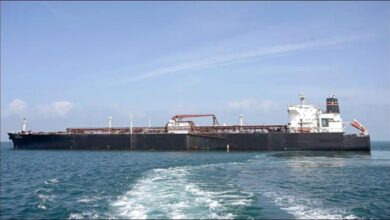
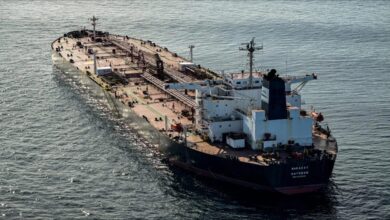
In a significant move poised to reshape its operational capacity and bolster its presence in the global crude oil transportation sector, Carlova Maritime has reportedly placed an order for a second Very Large Crude Carrier (VLCC) from South Korea’s renowned Hanwha Ocean shipyard. This substantial Carlova Maritime VLCC order underscores a clear strategic direction towards fleet expansion and modernization, signaling the company’s confidence in the long-term demand for large-scale oil transport. The news comes as the maritime industry keenly observes key investments and technological advancements, particularly within the tanker segment. This latest newbuild, a 300,000 deadweight tonnage (dwt) behemoth, represents a substantial financial commitment and a critical step in fortifying Carlova Maritime’s position among leading shipping companies.
The decision to commission a second VLCC newbuild within a relatively short timeframe highlights a proactive approach to capitalizing on market opportunities and enhancing operational efficiency. VLCCs are the backbone of international crude oil shipping, capable of transporting massive quantities of crude across continents, linking production hubs with refining centers. By expanding its fleet with state-of-the-art vessels, Carlova Maritime aims to ensure it remains at the forefront of this vital global supply chain. This investment is not merely about increasing numbers but about strategically deploying modern, efficient vessels that meet stringent environmental regulations and operational demands, thereby securing profitable long-term charters and contributing to the stability of energy markets worldwide. The company’s vision for growth is clearly articulated through these high-value shipbuilding contracts, cementing its future trajectory in the competitive maritime industry.
The Economic Powerhouse of South Korean Shipbuilding
The choice of Hanwha Ocean, formerly Daewoo Shipbuilding & Marine Engineering, for this crucial shipbuilding contract further solidifies South Korea’s reputation as a world leader in advanced shipbuilding. South Korean shipyards are renowned for their technological prowess, precision engineering, and capacity to deliver complex, large-scale vessels like VLCCs on time and to the highest quality standards. This second order from Carlova Maritime reinforces the strong commercial ties and trust between the Greek shipping company and the South Korean shipbuilding giant. The first of these colossal tankers is slated for delivery in the final quarter of 2027, with the newly ordered vessel expected to join the fleet in the third quarter of 2029, illustrating the extensive lead times involved in such sophisticated maritime projects.
Financially, the latest newbuild is estimated to cost Carlova Maritime approximately USD 130 million, a slight increase from the first VLCC ordered last August, which was valued at close to USD 125 million. This marginal price difference could be attributed to various factors, including evolving material costs, technological upgrades, or market adjustments within the shipbuilding sector. These investments, totaling over a quarter of a billion dollars for just two vessels, underscore the significant capital expenditure required to maintain and grow a competitive fleet in the global shipping market. The commitment reflects a robust financial strategy and a belief in the sustained profitability of the crude oil tanker segment, especially with modern, fuel-efficient vessels that command premium charter rates and offer enhanced operational flexibility.
Carlova Maritime’s Fleet Modernization and Chartering Success
Carlova Maritime’s current fleet includes a single existing VLCC, built in 2018, with a capacity of 298,000 dwt. This vessel is currently under a lucrative charter agreement with ExxonMobil, fetching an impressive USD 80,000 per day for a period of one year and 18 months. This existing charter arrangement not only provides a stable revenue stream but also highlights the strong market demand for reliable oil transportation services. The addition of two new VLCCs will significantly expand Carlova Maritime’s overall fleet capacity, allowing the company to pursue even larger and more diverse charter opportunities across the globe. The strategic timing of these newbuilds also suggests an anticipation of favorable market conditions in the late 2020s, aligning with projected energy demand forecasts.
Investing in newbuilds allows Carlova Maritime to introduce state-of-the-art vessels equipped with the latest technologies for fuel efficiency, emissions reduction, and operational safety. These modern features are increasingly important as the maritime shipping industry navigates stricter environmental regulations and demands for sustainable practices. By upgrading and expanding its fleet with advanced tanker vessels, Carlova Maritime is positioning itself as a forward-thinking player, capable of meeting future regulatory challenges and client expectations. This strategic approach minimizes the risk associated with older, less efficient vessels and maximizes the long-term value and operational flexibility of its crude carrier fleet.
Navigating the Dynamic Global Tanker Market Landscape
The global tanker market is inherently dynamic, influenced by a confluence of geopolitical events, economic shifts, and evolving energy policies. Carlova Maritime’s substantial investment in VLCCs reflects a calculated risk and a long-term vision within this fluctuating environment. Factors such as global oil demand, refinery outputs, strategic petroleum reserve movements, and the stability of key shipping lanes all play a role in determining freight rates and charter durations for crude carriers. By enhancing its fleet with new, high-capacity vessels, Carlova Maritime aims to optimize its operational leverage and responsiveness to market changes, ensuring it remains a preferred partner for major energy companies.
Furthermore, the increasing focus on energy transition and decarbonization within the shipping industry means that newbuilds must be designed with future fuel readiness and enhanced environmental performance in mind. While the initial report doesn’t detail specific green technologies for these VLCCs, it’s reasonable to assume that modern tanker newbuilds from top-tier yards like Hanwha Ocean incorporate designs that allow for future adaptations or utilize current best-in-class fuel efficiency measures. This proactive approach to fleet development is crucial for maintaining competitiveness and compliance in an industry undergoing profound transformation, ensuring Carlova Maritime’s vessels remain valuable assets for decades to come in the evolving energy transportation landscape.
Future Outlook for Carlova Maritime and Crude Shipping
The expansion of Carlova Maritime’s VLCC fleet with two new orders from South Korea represents a bold and strategic commitment to the future of crude oil transportation. This significant investment underscores the company’s ambition to grow its market share and enhance its operational capabilities within the vital global energy supply chain. With two new 300,000 dwt VLCCs set to join its fleet by 2029, Carlova Maritime is poised for substantial growth, tripling its current VLCC capacity. This expansion will undoubtedly elevate its standing as a major player in the international tanker shipping sector, enabling it to better serve the demands of a complex and ever-changing global energy market.
This move also signals a broader confidence in the sustained need for large-scale crude oil movements for the foreseeable future, despite global efforts towards decarbonization. While the energy landscape is indeed shifting, the transition will be gradual, and oil will continue to be a primary energy source for decades, necessitating robust and efficient maritime transport. Carlova Maritime’s foresight in securing these newbuilds ensures it will possess a modern, competitive, and high-capacity fleet to meet these ongoing demands, reinforcing its long-term profitability and strategic importance in global shipping. As the company strategically positions itself for sustained success, these new VLCCs from Hanwha Ocean will be instrumental in navigating the challenges and opportunities presented by the evolving maritime crude oil market.