Canadian Arctic & Norwegian Sea Become New Shipping ECAs | Mariner News
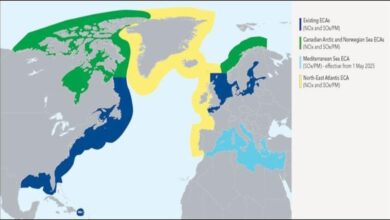
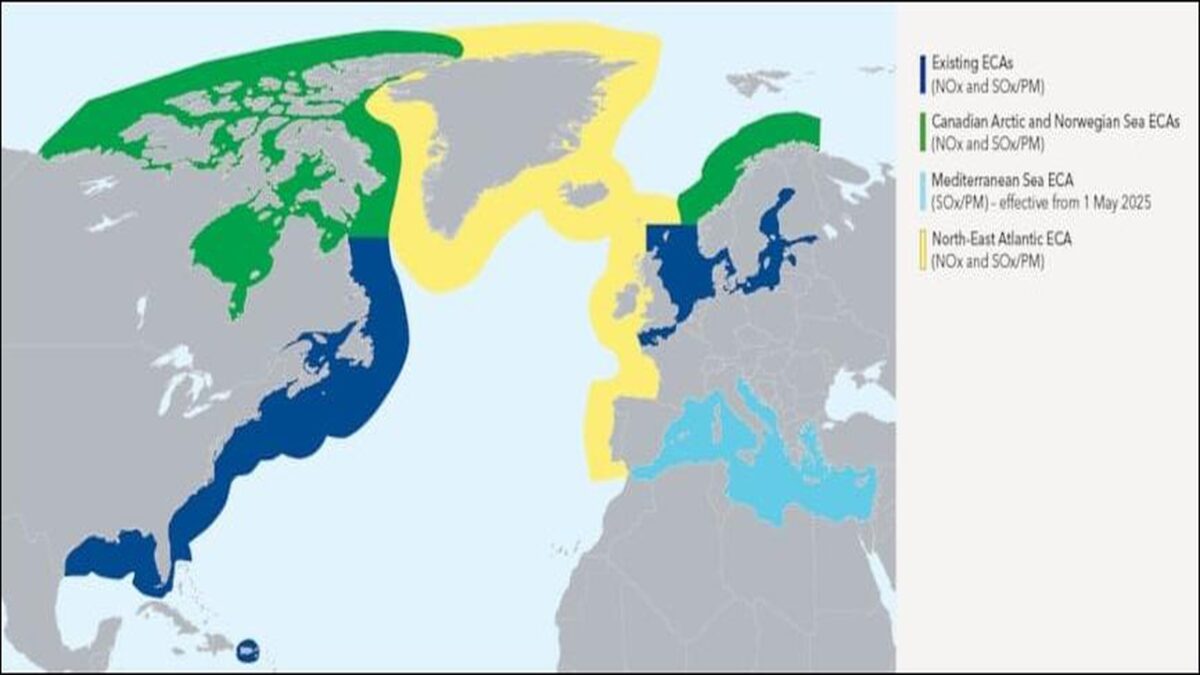
The maritime industry is gearing up for significant environmental changes as the Canadian Arctic and Norwegian Sea are officially designated as new Emission Control Areas (ECAs). These crucial amendments to MARPOL Annex VI, adopted by the IMO’s Marine Environment Protection Committee (MEPC 82), aim to drastically reduce shipping emissions. While the amendments take effect on March 1, 2026, vessel operators have a critical window to prepare for stricter compliance.
Tighter Sulfur Regulations Ahead
A key component of these new ECAs is the stringent 0.10% sulfur fuel limit for ships. This vital requirement will become operational from March 1, 2027, following a 12-month grace period designed to facilitate the establishment of necessary fuel supply infrastructure. From this date, all vessels operating within these marine zones must either use very low sulfur fuel oil or implement approved equivalent arrangements, such as exhaust gas cleaning systems, to meet the new environmental standards.
NOx Tier III Controls for New Builds
In addition to sulfur limits, the new regulations introduce NOx Tier III requirements for specific new ships. For the Canadian Arctic ECA, these apply to vessels constructed on or after January 1, 2025. The Norwegian Sea ECA’s applicability is based on contract, keel-laying, and delivery dates, extending to ships delivered from March 1, 2030. These measures underscore the IMO’s commitment to sustainable shipping practices.
These comprehensive shipping regulations represent a major step forward in protecting vulnerable polar and northern marine environments from harmful emissions. Vessel owners and operators must thoroughly understand and adapt to these new requirements to ensure seamless operations and avoid penalties, contributing to a cleaner, greener future for global shipping.