Bureau Veritas & Ponant Drive Low-Emission Cruise Ships | Mariner News
In a significant stride towards a greener future for maritime travel, industry giants Bureau Veritas and Ponant have officially joined forces on an ambitious low-emission cruise ship project. This groundbreaking collaboration aims to redefine environmental standards within the global cruise sector, propelling the industry towards substantial decarbonization. The partnership underscores a shared commitment to developing and implementing innovative solutions for cleaner cruising, directly addressing the urgent need for sustainable shipping practices and a reduced carbon footprint. This initiative promises to be a pivotal moment for environmentally conscious travelers and the wider marine industry, showcasing a clear pathway to near-zero operational emissions.
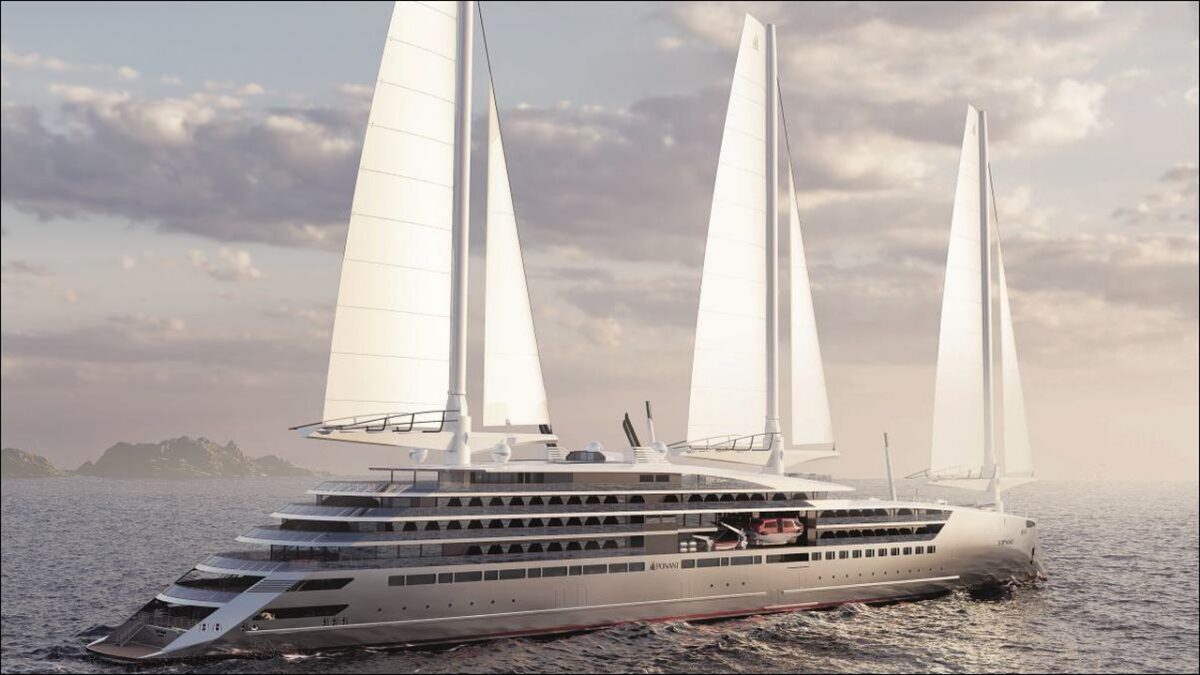
The core of this transformative alliance centers on Ponant’s pioneering Swap2Zero project, a visionary concept for a transoceanic passenger vessel designed to achieve near-zero operational emissions. This ambitious project is not merely an incremental improvement; it represents a paradigm shift, integrating a complex mix of cutting-edge green maritime technologies. Swap2Zero envisions a future where luxury exploration can coexist harmoniously with environmental stewardship. The vessel’s design incorporates advanced solutions such as hydrogen fuel cells, next-generation battery systems, and optimized wind-assisted propulsion, all working in concert to minimize ecological impact. Ponant’s dedication to this bold initiative highlights its leadership in fostering eco-friendly expedition and luxury cruises, setting a formidable benchmark for the industry.
The Swap2Zero concept vessel is being engineered from the keel up with sustainability at its heart. It pushes the boundaries of current marine technology by exploring diverse energy sources and propulsion methods that significantly reduce reliance on conventional fossil fuels. The integration of these various systems, from energy storage to advanced hull designs, requires meticulous planning and rigorous testing. Ponant’s commitment extends beyond mere compliance; it’s about leading the charge in maritime innovation to preserve the pristine environments its ships visit. This holistic approach to design and operation will serve as a powerful case study for how the cruise sector can transition effectively towards a more sustainable and environmentally responsible future.
Bureau Veritas’s Pivotal Role in Green Shipping Advancement
Bureau Veritas, a world leader in testing, inspection, and certification services, brings its extensive expertise to this critical partnership. Its Marine & Offshore division, alongside Bureau Veritas Solutions Marine & Offshore (BVS), will provide comprehensive support across various crucial areas. This includes intricate regulatory work, detailed technical studies, advanced modelling, and robust risk analysis. Such rigorous oversight is indispensable when pioneering new marine technologies that push the boundaries of established norms and operational parameters. The collaboration ensures that every aspect of the Swap2Zero project meets the highest standards of safety, performance, and environmental compliance, reinforcing confidence in these innovative solutions.
BV’s involvement is multifaceted, encompassing everything from classification and certification pathways to guiding the project through the complex landscape of international maritime regulations. Their role extends to supporting the approval and future deployment of these decarbonization solutions, ensuring that revolutionary concepts can be translated into safe, reliable, and commercially viable vessels. This meticulous attention to detail is vital for mitigating risks associated with integrating novel technologies onboard, particularly those related to alternative fuels and propulsion systems. Bureau Veritas’s proven track record in maritime safety and technical excellence provides an essential foundation for Ponant’s ambitious environmental objectives.
The deep collaboration between Bureau Veritas and Ponant is designed to address both immediate technical challenges and long-term strategic goals. By pooling their collective knowledge and resources, they aim to streamline the process of bringing cutting-edge, near-zero emission technologies from concept to reality. This partnership is not just about a single vessel; it’s about establishing new best practices and paving the way for wider adoption of advanced green shipping technologies across the global fleet. Their joint efforts will contribute significantly to the broader maritime industry’s journey towards achieving ambitious climate targets and fostering a more sustainable oceanic environment.
Navigating Regulatory Hurdles and Technical Innovation
One of the most significant challenges in developing low-emission cruise ships and other green vessels is navigating the intricate web of existing and evolving maritime regulations. The introduction of new energy sources like hydrogen, and novel propulsion systems, necessitates comprehensive review and approval by classification societies and flag states. Bureau Veritas’s deep understanding of these regulatory frameworks is invaluable, helping Ponant to ensure that the Swap2Zero project not only meets but potentially influences future international standards for environmental performance and safety. This proactive approach to regulatory compliance is a cornerstone of accelerating decarbonization in shipping.
Beyond regulatory hurdles, the technical integration of diverse new marine technologies presents its own set of complexities. Combining elements such as advanced battery energy storage systems, hydrogen fuel cells, and sophisticated wind-assisted propulsion requires extensive engineering expertise. Each component must seamlessly interact to optimize energy efficiency and minimize emissions, all while maintaining the highest levels of operational safety and reliability. The partnership’s focus on detailed technical studies and predictive modelling is crucial for anticipating potential challenges and developing robust solutions, ensuring the ship’s systems are fully integrated and perform as expected under various operating conditions.
Risk analysis plays a pivotal role in this innovative project. Evaluating potential hazards associated with new fuels and systems, and developing comprehensive mitigation strategies, is paramount. Bureau Veritas’s expertise in this domain ensures that all novel aspects of the Swap2Zero vessel undergo rigorous assessment. This includes fire safety protocols for alternative fuels, ensuring system redundancy, and developing emergency response procedures. By systematically identifying and addressing potential risks, the partnership aims to build a vessel that is not only environmentally exemplary but also supremely safe for passengers and crew, setting new standards for secure and sustainable maritime operations.
Fostering a Sustainable Future for Cruise Travel
This collaborative effort between Bureau Veritas and Ponant extends beyond the development of a single low-emission cruise ship; it aims to catalyze broader change within the entire cruise sector. A key aspect of the agreement includes plans to share knowledge, best practices, and the insights gained from the Swap2Zero project with the wider maritime community. By openly promoting these decarbonization solutions, the partners seek to inspire and facilitate the adoption of similar green maritime technology across other fleets. This commitment to industry-wide advancement is crucial for achieving the collective environmental goals necessary to combat climate change and protect marine ecosystems.
Such partnerships are instrumental in demonstrating that luxury travel and environmental responsibility are not mutually exclusive but can, in fact, be deeply intertwined. The success of the Swap2Zero project will serve as a powerful testament to the feasibility and viability of near-zero emission vessels, proving that passengers can enjoy unparalleled experiences without compromising the planet. It underscores a growing demand for sustainable tourism options and highlights how industry leaders are responding with tangible, impactful solutions. This forward-thinking approach positions Ponant as a pioneer in eco-friendly exploration and Bureau Veritas as a key enabler of sustainable maritime innovation.
Ultimately, the collaboration between Bureau Veritas and Ponant is a beacon of hope for the future of maritime transportation. It showcases the immense potential of strategic partnerships to drive profound change and accelerate the global transition towards a more sustainable shipping industry. As the world increasingly focuses on environmental protection and climate action, projects like the low-emission cruise ship initiative offer a practical and inspiring model for achieving ambitious decarbonization targets. Their shared vision for cleaner oceans and responsible exploration is not just a corporate objective but a vital contribution to the long-term health of our planet and the future of sustainable maritime travel.