Brazilian Foresea Wins $465M Petrobras Rig Contract | Mariner News
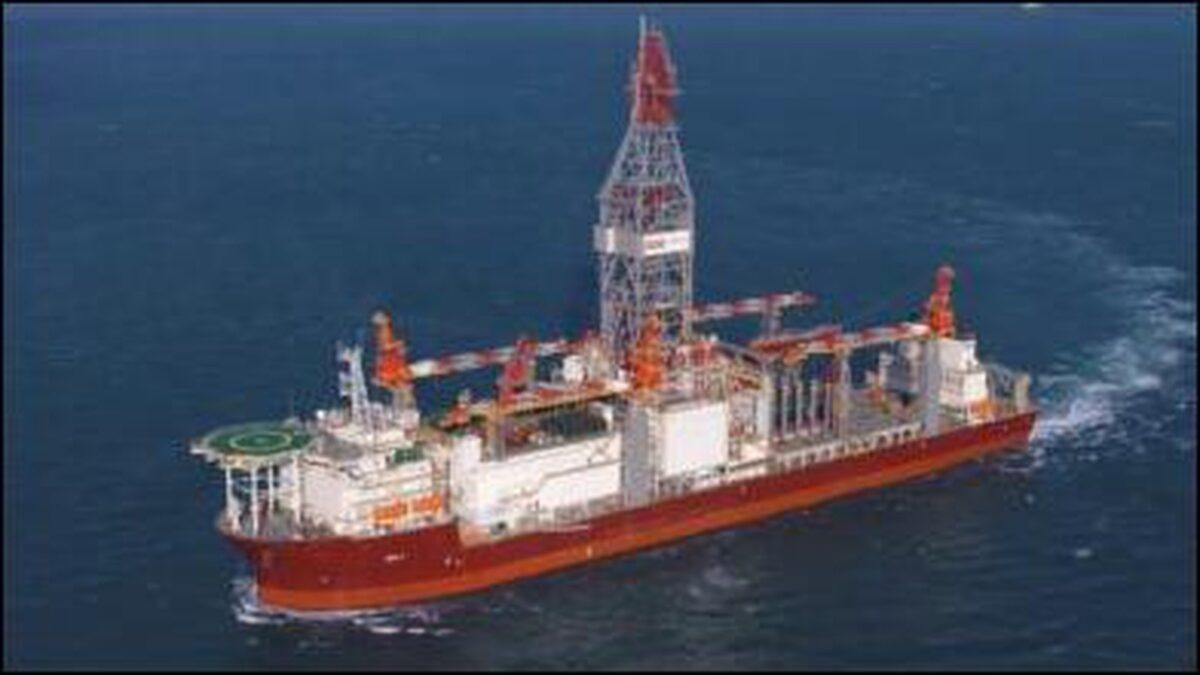
Brazilian offshore drilling contractor Foresea has secured a landmark $465 million rig contract with state-controlled oil giant Petrobras, marking a significant development for the nation’s energy sector. This substantial agreement underscores the continued investment and confidence in Brazil’s prolific pre-salt oil and gas reserves. The deal involves the drillship ODN I, which will undertake critical development drilling operations in the Mero pre-salt field, a key asset in the country’s strategic energy portfolio. This new charter agreement reinforces Foresea’s position as a leading player in the highly competitive Brazilian offshore drilling landscape and signals robust activity in the deepwater exploration and production segment.
Foresea’s Landmark Contract with Petrobras
Foresea, a prominent Brazilian driller, emerged victorious from a competitive bidding process initiated by Petrobras for a high-specification rig. The contract, valued at an impressive $465 million, is for the supply of the drillship ODN I, a crucial asset for deepwater operations. This long-term charter agreement is set to commence in early 2027, immediately following the conclusion of the drillship’s current engagement with Petrobras in the Marlim field. The terms of the 1443-day contract are comprehensive, including a mobilization fee and an early termination option that can be exercised after 1078 days, providing Petrobras with operational flexibility. Furthermore, the deal features an unpriced extension option of 382 days, indicating potential for an even longer collaboration.
This significant investment by Petrobras highlights its strategic focus on developing the Mero field, which is part of the second development wave in the prolific Santos Basin pre-salt province. The tendering process was specifically aimed at securing a state-of-the-art rig capable of meeting the complex demands of drilling in ultra-deepwater, high-pressure, and high-temperature environments characteristic of Brazil’s pre-salt reservoirs. Foresea’s success in securing this substantial Brazilian driller contract with Petrobras demonstrates its operational excellence, technological capabilities, and competitive standing within the global offshore drilling industry, reinforcing its vital role in Brazil’s energy future.
Securing such a high-value contract amidst a dynamic global energy market is a testament to Foresea’s strategic positioning and commitment to operational efficiency. This deal not only ensures a stable revenue stream for the company but also provides significant employment opportunities and fosters technological advancement within the Brazilian energy supply chain. The continued partnership between Foresea and Petrobras is critical for unlocking the full potential of Brazil’s deepwater assets, thereby contributing to national energy security and economic growth through robust offshore drilling activities.
The Strategic Importance of Brazil’s Pre-Salt Fields
Brazil’s pre-salt fields represent one of the world’s most significant hydrocarbon discoveries of the 21st century. These vast oil and natural gas reserves are located deep beneath a thick layer of salt, thousands of meters below the ocean surface, primarily off the coast in the Santos Basin. The Mero field, where the ODN I drillship will operate, is a prime example of these colossal assets. Discovered in 2010, Mero is one of the largest discoveries in the pre-salt cluster, holding billions of barrels of recoverable oil equivalent. Its development is central to Petrobras’s long-term production goals and Brazil’s ambition to maintain its status as a major global oil producer.
Developing these pre-salt reservoirs presents formidable technical and logistical challenges. Drilling operations extend into ultra-deep waters, often exceeding 2,000 meters, followed by several kilometers through rock and then the complex salt layer. These conditions demand highly advanced drilling rigs, specialized equipment, and skilled personnel to ensure safe and efficient extraction. The economic viability of these projects is continually assessed against fluctuating oil prices and the substantial upfront capital expenditure required. Despite these hurdles, the sheer scale of the reserves makes pre-salt development highly attractive for companies like Petrobras and its contractors.
The successful development of the Mero pre-salt field and other similar deepwater projects is crucial for Brazil’s economic stability. Revenue generated from oil and gas production contributes significantly to government coffers through royalties and taxes, which are then channeled into public services and infrastructure development. Moreover, these projects attract foreign investment, stimulate local industry, and create a specialized workforce, thereby fostering broader economic growth. The consistent focus on pre-salt development, exemplified by the $465 million rig contract, underlines its pivotal role in the nation’s strategic energy agenda.
Deep Dive into the ODN I Drillship and Advanced Offshore Operations
The ODN I is a state-of-the-art drillship, embodying the pinnacle of modern offshore drilling technology. These vessels are engineered for efficiency and safety in the most demanding deepwater environments, such as those found in Brazil’s pre-salt provinces. Key features typically include dynamic positioning systems that allow the vessel to maintain its precise location without anchors, even in challenging weather conditions, and dual derrick configurations that enhance drilling efficiency by allowing simultaneous operations. The ODN I’s robust capabilities are essential for tackling the ultra-deepwater depths and the high-pressure, high-temperature reservoirs of the Mero field.
Operating in the pre-salt involves a complex array of advanced technologies and meticulous planning. This includes the deployment of sophisticated subsea Blowout Preventers (BOPs) designed to control well pressure, advanced drilling fluids to manage wellbore stability, and real-time data acquisition systems that provide critical insights into subsurface conditions. Safety protocols are paramount, with continuous monitoring and adherence to stringent international standards to prevent incidents. The expertise of the crew, combined with the technological prowess of the ODN I, will be instrumental in executing the development drilling campaign at Mero safely and effectively.
The transition of the ODN I from the Marlim field in the Campos Basin to the Mero pre-salt field in the Santos Basin represents a strategic redeployment of a high-value asset. The Marlim field, an older but still productive asset, requires different operational approaches compared to the frontier Mero development. This transition will involve rigorous preparatory activities, including potential equipment upgrades and comprehensive operational planning, to ensure seamless continuity and optimized performance in its new role. Foresea’s experience with complex rig moves and its proven track record with Petrobras provide confidence in a successful transition for this critical deepwater drilling asset.
Economic and Regional Impact of Offshore Contracts
Beyond the headline figure of $465 million, a contract of this magnitude generates substantial ripple effects throughout the Brazilian economy. The direct economic impact includes not only the revenue for Foresea but also significant spending on specialized equipment, maintenance, and logistics. Indirectly, this offshore drilling contract stimulates growth across various support industries, including shipbuilding and repair, supply vessel operators, helicopter services, catering, and highly specialized technical consulting firms. This creates a robust ecosystem that supports thousands of jobs, from highly skilled engineers and technicians to logistical support staff.
The requirement for local content, often mandated in Brazilian oil and gas projects, ensures that a significant portion of the goods and services are sourced domestically. This fosters the development of local industries, enhances technological capabilities within Brazil, and creates a virtuous cycle of investment and growth. States like Rio de Janeiro, which serve as hubs for offshore operations, particularly benefit from increased economic activity, job creation, and infrastructure development related to oil and gas exploration and production. This sustained investment strengthens regional economies and provides long-term stability for communities dependent on the energy sector.
Furthermore, the success of such large-scale projects enhances Brazil’s energy independence and its standing in global energy markets. A reliable supply of domestically produced hydrocarbons reduces reliance on imports and stabilizes fuel prices, benefiting consumers and industries alike. The revenue generated by Petrobras from Mero production will further contribute to national development through dividends and taxes, reinforcing the significant role that a Brazilian driller like Foresea and its contracts play in the country’s broader economic framework.
Future Trajectory of Brazil’s Offshore Energy Sector
The future of Brazil’s offshore energy sector remains exceptionally promising, with pre-salt resources continuing to be a cornerstone of the nation’s long-term energy strategy. Petrobras has outlined ambitious investment plans for exploration and production, with a significant portion allocated to developing existing and new pre-salt discoveries. This commitment ensures a steady demand for high-specification drilling rigs, offshore support services, and advanced technologies, providing ample opportunities for companies like Foresea and other international and domestic players in the oilfield services market.
However, the sector also faces evolving challenges, including the imperative for greater environmental sustainability and the global energy transition towards lower-carbon alternatives. While Brazil’s pre-salt oil is considered light and sweet, making it desirable for refining, the industry is under increasing pressure to reduce operational emissions and enhance environmental safeguards. Future contracts and operational strategies will likely incorporate more stringent environmental, social, and governance (ESG) criteria, pushing for innovations in energy efficiency and emissions reduction across the offshore value chain.
Foresea’s ability to secure this major $465 million Petrobras rig contract positions it favorably for future tenders and partnerships as Brazil’s offshore sector continues to evolve. The company’s focus on high-performance assets and a strong safety record will be critical in navigating the complexities of deepwater operations and meeting the expectations of a global market increasingly focused on responsible energy production. The sustained development of Brazil’s pre-salt fields, supported by critical drilling services, will underpin the nation’s energy security and economic prosperity for decades to come, ensuring the country remains a vital player in global hydrocarbon supply.