

Black Sea owners shift from high premiums to total route refusal
Owners are now refusing Black Sea routes entirely, moving beyond the high war-risk premiums that previously defined the region's trade.
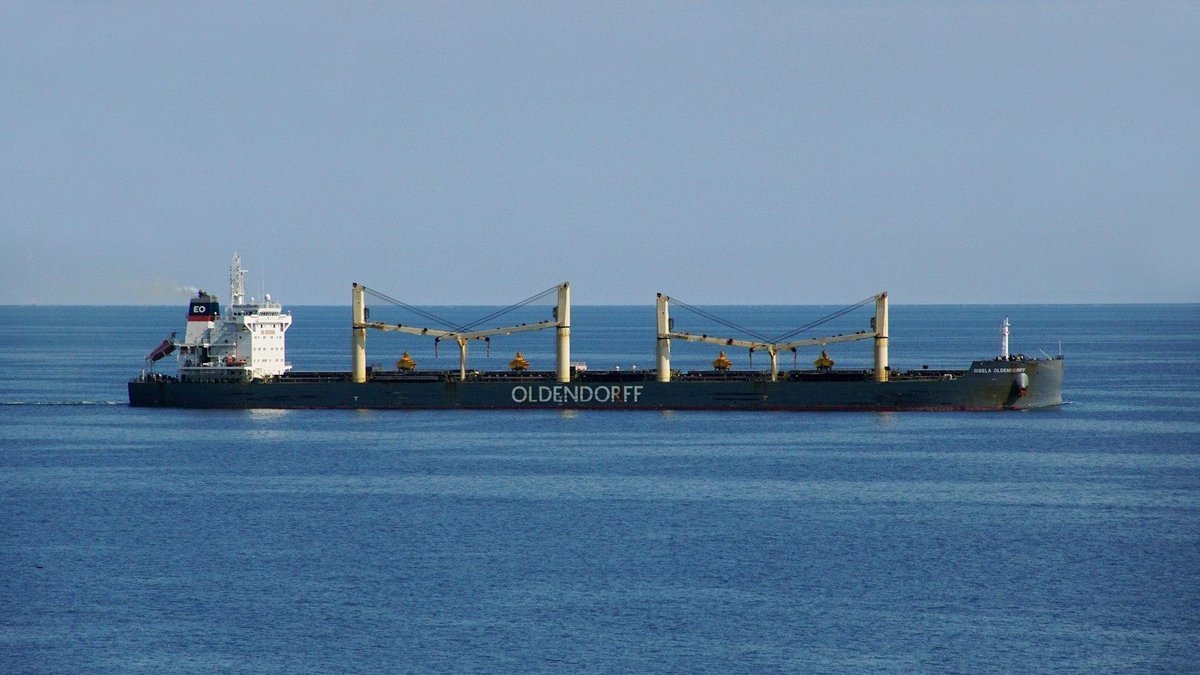
Owners are abandoning Black Sea routes entirely, marking a shift from the high-premium environment that previously governed the region. This transition from expensive transit to total route refusal threatens to sever trade links more effectively than rising insurance costs ever did.
In the Gulf, high war-risk premiums previously priced ships off the route by making voyages economically unviable. However, in the Black Sea, owners are now starting to refuse the route altogether regardless of the insurance terms available.
Why it matters
The economic deterrent of high war-risk premiums has been replaced by a direct refusal of service. In previous maritime flashpoints like the Gulf, the market functioned through price discovery, where high premiums eventually made voyages unviable for some. In the Black Sea, owners are now making a binary choice to avoid the area, suggesting that the physical risk to assets and personnel has surpassed the threshold of commercial incentive.
This development leaves charterers and cargo owners with a shrinking pool of available tonnage. When owners refuse a route, the cost of insurance becomes irrelevant because the underlying capacity has vanished. It signals a breakdown in the traditional relationship between risk and reward, where the threat level prevents the market from setting a price for the voyage.
For the broader maritime industry, this sets a precedent where insurance no longer acts as the primary gatekeeper for trade in volatile regions. Instead, the decision-making power has shifted back to the owners’ risk assessment departments, who are prioritizing asset protection over high-margin freight rates.
Source: Container News