Bahrain’s Hormuz Resolution Faces UN Obstacles | Mariner News
Bahrain’s ambitious effort to secure a United Nations resolution aimed at protecting commercial shipping in the critical Strait of Hormuz has encountered significant fresh obstacles at the UN, underscoring deep international divisions. The proposed resolution, intended to authorize “all necessary means” to safeguard vital maritime routes amidst escalating tensions, has faced resistance from key global powers. This diplomatic standoff highlights the complex geopolitical landscape surrounding the world’s most crucial oil chokepoint and the profound implications for global energy supply and maritime security. The inability to forge a consensus on this pressing issue leaves the international shipping community in a precarious position, emphasizing the urgent need for a unified approach to protect one of the world’s busiest and most strategically important waterways.
Navigating the Strait of Hormuz: A Critical Maritime Chokepoint
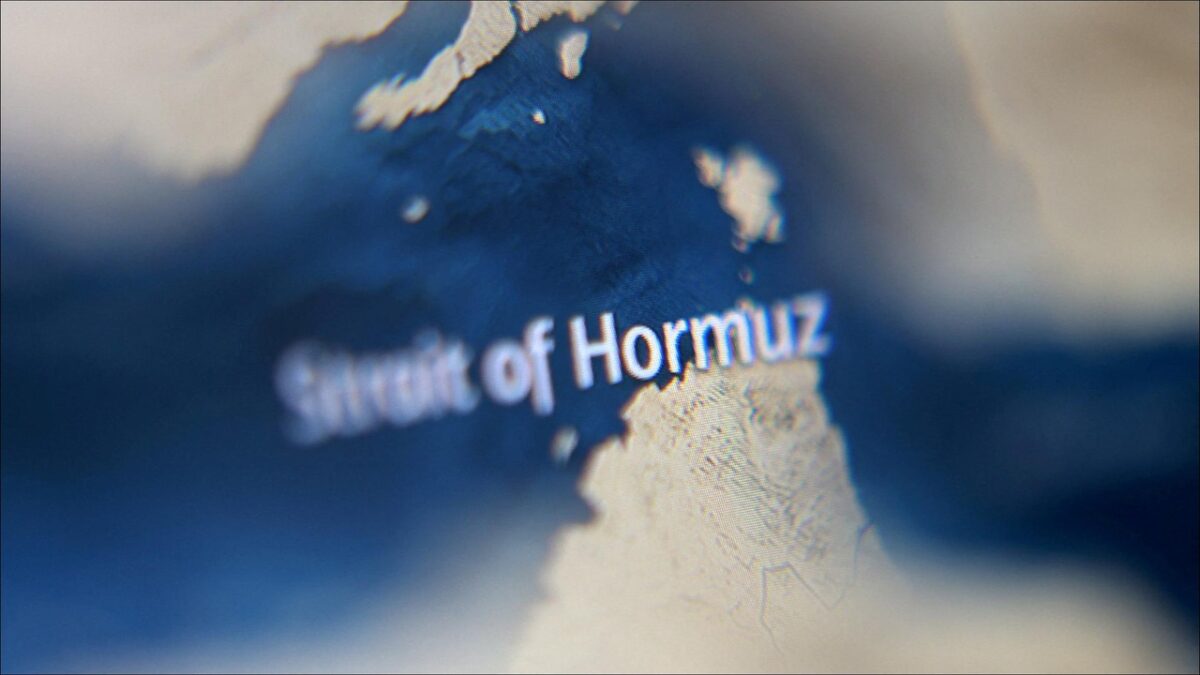
The Strait of Hormuz stands as an indispensable artery for global energy trade, facilitating the passage of roughly one-fifth of the world’s total oil consumption and a significant portion of its liquefied natural gas (LNG) shipments. This narrow waterway, nestled between the Persian Gulf and the Gulf of Oman, is paramount for the transportation of crude oil, petroleum products, and natural gas from major Middle Eastern producers to markets worldwide. The sheer volume and value of goods transiting through this chokepoint render it a primary concern for international maritime security. Any disruption in the Strait directly translates into volatile global energy prices and poses substantial risks to the stability of international trade and supply chains.
Recent geopolitical tensions in the region have only amplified these concerns. The effective closure of the waterway, as a result of ongoing conflicts, has already led to unprecedented energy-supply disruptions, sending shockwaves through global markets. This precarious situation underscores why Bahrain, as the rotating president of the 15-member UN Security Council for April, has prioritized a resolution designed to restore stability and ensure the unhindered flow of commercial shipping. The economic ramifications of sustained disruption would be catastrophic, impacting industries from manufacturing to logistics, and ultimately affecting consumers globally through increased fuel and transportation costs. Safeguarding the Strait of Hormuz is not merely a regional issue but a global economic imperative, central to the functioning of modern economies reliant on stable energy supplies.
The UN Security Council Divide: Diplomacy and Disagreement
Bahrain’s diplomatic initiative sought to rally international support for a robust framework to protect commercial shipping in the Strait. The initial draft of the resolution, which included an explicit reference to “binding enforcement,” faced immediate opposition. In a strategic move to garner broader support, Bahrain circulated a revised version that carefully omitted this contentious phrasing, hoping to overcome objections from nations wary of language that could be interpreted as authorizing military intervention without specific UN mandates. This revision aimed to bridge the gap between states advocating for stronger measures and those prioritizing diplomatic solutions and adherence to existing international legal frameworks.
However, even this softened approach proved insufficient to achieve a consensus. According to UN diplomats, China, Russia, and France raised significant issues with the new draft, preventing its adoption under the “silence procedure” – a mechanism where a resolution is passed if no member objects by a specified deadline. The objections from Russia and China are particularly noteworthy, often stemming from their broader geopolitical alignments and a reluctance to endorse resolutions that might be perceived as confrontational towards certain states in the region. France’s concerns, while not detailed publicly, likely revolve around the legal implications and potential unintended consequences of the proposed measures, emphasizing the complex legal and diplomatic tightrope walk inherent in such resolutions.
These ongoing divisions within the UN Security Council reflect fundamental disagreements over how to effectively address maritime security threats in the Strait of Hormuz, particularly concerning the role of international law and the threshold for intervention. While all nations agree on the importance of freedom of navigation, the methods and mandates for achieving it remain a point of contention. The complex interplay of national sovereignty, regional power dynamics, and international legal interpretations continues to impede a unified international response to the pressing security challenges facing commercial tankers and other vessels navigating this vital maritime artery.
Economic Repercussions: Global Energy Markets Under Pressure
The diplomatic stalemate at the UN has direct and alarming consequences for global energy markets. With the Strait of Hormuz effectively shut down or severely restricted for commercial shipping, the international supply of crude oil and liquefied natural gas has been dramatically curtailed. This reduction in supply, juxtaposed with persistent global demand, inevitably drives up energy prices. Consumers worldwide are already experiencing the ripple effects through increased costs at the pump, higher utility bills, and inflated prices for goods and services due to elevated shipping expenses. The volatility introduced by such disruptions creates an environment of economic uncertainty, deterring investment and potentially stifling global economic growth.
The impact extends beyond immediate price hikes. Businesses reliant on stable energy costs for production and transportation face significant challenges, often forced to absorb higher operational expenses or pass them on to consumers. Furthermore, the reliance on alternative, longer shipping routes to bypass the Strait of Hormuz not only increases transit times and fuel consumption but also adds substantial costs to the global supply chain. This logistical burden affects a vast array of goods, not just energy commodities, highlighting the interconnectedness of global trade. The inability to secure the Strait thus poses a systemic risk to the global economy, threatening to unravel years of progress in trade liberalization and economic integration.
For major oil and gas importing nations, the situation in the Strait of Hormuz represents a critical vulnerability. Their national energy security is directly tied to the free flow of tankers and LNG carriers through this passage. Diversifying energy sources and developing strategic reserves can mitigate some risks, but no single measure can fully compensate for a prolonged disruption of this magnitude. The current situation demands urgent international cooperation to prevent a more severe economic downturn and to restore confidence in the stability of maritime trade routes.
International Law and Maritime Security Challenges
The phrase “all necessary means” within Bahrain’s original draft resolution sparked significant debate regarding its interpretation under international law, particularly concerning the use of force. While the revised draft omitted this explicit reference to binding enforcement, the underlying question of how to legitimately protect commercial shipping and ensure freedom of navigation in a contested zone remains a central challenge. International maritime law, including the United Nations Convention on the Law of the Sea (UNCLOS), provides frameworks for navigation and jurisdiction, but its application in complex geopolitical scenarios, especially those involving non-state actors or ambiguous acts of aggression, often leads to divergent interpretations.
Securing consensus on the permissible scope of action to protect shipping requires navigating a delicate balance between respecting national sovereignty and upholding the principle of freedom of navigation in international waters. Some nations argue for a robust international response, potentially involving naval escorts or other protective measures, to deter threats to commercial vessels. Others emphasize diplomatic solutions and de-escalation, wary of any actions that could exacerbate regional tensions or set precedents for unilateral interventions. The ongoing debate underscores the limitations of existing international legal frameworks when confronted with novel and evolving threats to global maritime trade.
Moreover, the nature of the threats themselves—ranging from direct attacks on tankers to the effective closure of the waterway through various means—complicates the international legal response. Distinguishing between acts of war, piracy, or other forms of interference is crucial for determining the appropriate international legal framework and permissible countermeasures. The lack of a clear, universally agreed-upon legal and operational strategy to protect shipping in the Strait of Hormuz creates an environment of legal ambiguity, making it harder for the international community to present a united front and effectively address the escalating maritime security challenges.
Seeking a Path Forward: Diplomacy Amidst Deadlock
Despite the current deadlock, Bahrain’s UN ambassador, Jamal Fares Alrowaiei, has indicated that the resolution still requires “a lot of work,” signaling a continued commitment to finding a viable path forward. This persistence reflects the acute awareness among Gulf and Western powers of the critical need for a solution, even in the absence of a concrete plan to reopen the waterway that has been significantly impeded for over a month. The diplomatic channels remain open, but the challenges of reconciling diverse national interests and geopolitical objectives are formidable. The immediate priority is to de-escalate tensions and restore the unimpeded flow of oil tankers and LNG carriers through the Strait of Hormuz.
One potential avenue for future progress could involve a multi-pronged approach that combines continued diplomatic negotiations with enhanced regional security dialogues. Engaging all relevant stakeholders, including those currently expressing objections, will be crucial to building trust and finding common ground. Furthermore, exploring alternative, non-binding declarations or resolutions that focus on specific confidence-building measures or enhanced international monitoring of the Strait could serve as interim steps. The international community must also consider long-term strategies for diversifying energy transport routes and strengthening resilience against future disruptions, although these are complex undertakings with significant financial and logistical hurdles.
The ongoing impasse at the UN Security Council concerning Bahrain’s Hormuz resolution serves as a stark reminder of the complexities of modern international relations and the critical importance of effective multilateral diplomacy. The stakes for global energy security, maritime trade, and economic stability are exceptionally high. Without a unified and actionable plan, the risks to commercial shipping in the Strait of Hormuz will persist, with potentially severe and far-reaching consequences for the global economy. The international community must redouble its efforts to navigate these diplomatic obstacles and secure the vital arteries of global trade, ensuring the freedom of navigation for all vessels.