AYK Energy Supplies Battery for German Polarstern Vessel | Mariner News
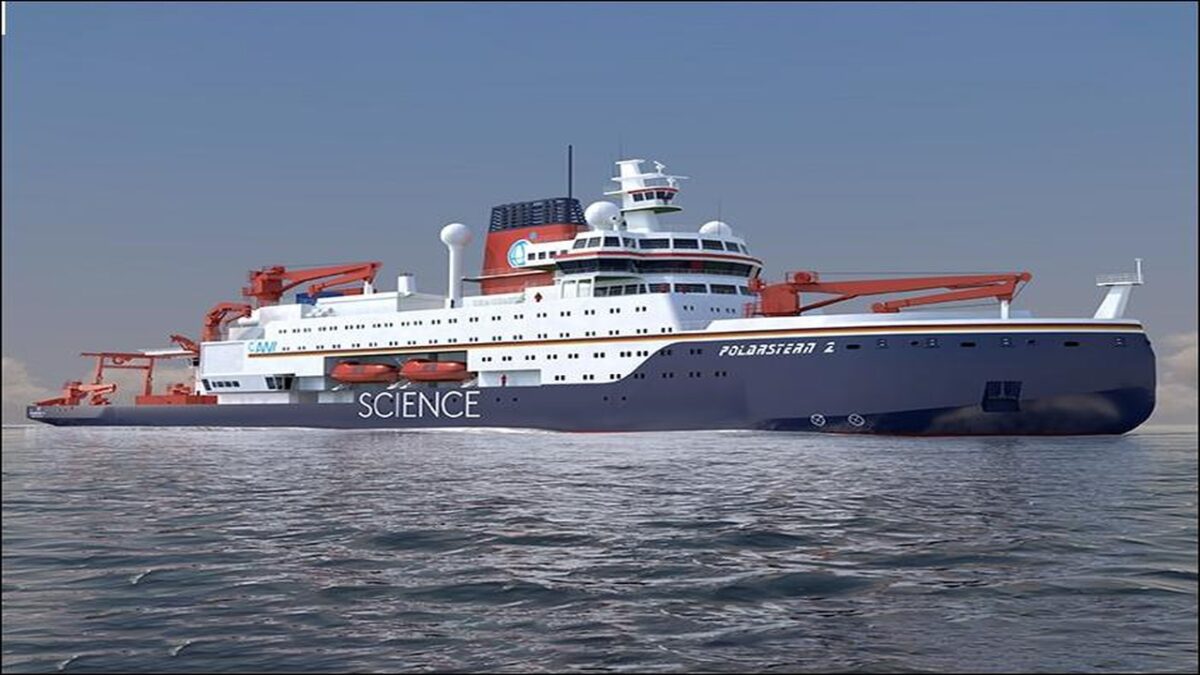
In a significant stride towards sustainable maritime operations, marine battery technology leader AYK Energy has announced a landmark contract to supply a state-of-the-art battery system for Germany’s new Polarstern polar research vessel. This ambitious project underscores a growing global commitment to decarbonizing the shipping industry and leveraging advanced marine battery solutions for enhanced operational efficiency and environmental protection. The agreement, forged directly with Wartsila, positions AYK Energy at the forefront of powering next-generation scientific exploration vessels with its robust and innovative hybrid diesel-electric architecture. The German research vessel, destined to replace its predecessor, represents a critical investment in year-round polar scientific endeavors, making the integration of a powerful and reliable energy storage solution paramount.
AYK Energy’s role involves delivering a substantial 16 megawatt-hour (MWh) battery system, weighing an impressive 131 tonnes. This cutting-edge technology is not merely an auxiliary power source but a central component designed to optimize the vessel’s energy consumption. Scheduled for delivery in 2028, with the vessel projected to enter service in 2030, this battery system will facilitate crucial functions such as peak shaving, load optimization, and lower-emission operations during sensitive scientific missions in the pristine, fragile environments of the Arctic and Antarctic. The choice of AYK Energy highlights confidence in its capability to meet the rigorous demands of an ice-class vessel operating in some of the world’s harshest marine conditions, solidifying its reputation in advanced marine technology for sustainable shipping.
Powering Germany’s Next-Generation Research Vessel: The Polarstern Project
The new Polarstern, an ice-class vessel, is being developed for the renowned Alfred Wegener Institute, Helmholtz Centre for Polar and Marine Research (AWI). This institution is a global leader in polar and marine research, and its fleet, including the current Polarstern, has been instrumental in groundbreaking scientific discoveries. The new German research vessel will continue this legacy, providing scientists with an advanced platform for year-round expeditions in both the Arctic and Antarctic regions, including extended deployments in heavy ice conditions. This demanding operational profile necessitates an extremely reliable and resilient power system. The vessel’s construction by TKMS, a prominent shipbuilding company, further emphasizes the project’s scale and strategic importance, aligning with Germany’s broader scientific and environmental objectives in polar research.
Beyond its scientific capabilities, the new Polarstern is designed with a keen eye on environmental responsibility. The integration of a sophisticated battery system into its hybrid diesel-electric propulsion marks a significant step towards minimizing its ecological footprint. Traditional diesel-electric systems, while efficient, still rely solely on fossil fuels. By incorporating a large-scale marine battery, the vessel can achieve substantial reductions in fuel consumption and emissions, particularly during operations where variable power demands are common. This is especially crucial when conducting research in ecologically sensitive polar regions, where even minor disturbances can have profound impacts on fragile ecosystems, reinforcing the commitment to sustainable shipping practices.
AYK Energy’s Advanced Marine Battery Technology
AYK Energy’s selection for this prestigious project underscores its expertise in developing high-performance marine battery solutions tailored for demanding applications. The 16 MWh battery system is a testament to the company’s engineering prowess, designed to integrate seamlessly into the vessel’s complex hybrid diesel-electric architecture. This system’s primary functions—peak shaving and load optimization—are pivotal for enhancing efficiency. Peak shaving allows the vessel to store excess energy during periods of low demand and release it during high demand, reducing the need for diesel generators to run at inefficient partial loads or to suddenly ramp up power, thus saving fuel and reducing wear and tear on machinery.
Load optimization ensures that the vessel’s power generation operates within its most efficient range, further contributing to fuel savings and lower emissions. For a research vessel like the Polarstern, operating in remote areas with strict environmental regulations, the ability to conduct operations with significantly reduced noise and emissions is invaluable. This not only protects the marine environment but also enhances the accuracy of sensitive acoustic and biological research. The collaboration with Wartsila, a global leader in smart technologies and complete lifecycle solutions for the marine and energy markets, further validates the robustness and reliability of AYK Energy’s battery system, promising a state-of-the-art energy solution for the advanced German research vessel.
The Imperative of Sustainable Shipping and Maritime Decarbonization
The contract for the Polarstern project is a powerful indicator of the wider trend towards maritime decarbonization and sustainable shipping. The International Maritime Organization (IMO) has set ambitious targets for reducing greenhouse gas emissions from international shipping, driving innovation in propulsion systems and alternative fuels. Hybrid-electric solutions, featuring advanced marine battery systems, are emerging as a vital pathway to achieve these goals, particularly for vessels with variable operational profiles or those requiring periods of zero-emission operation.
Investing in a battery system for a German research vessel like the Polarstern showcases a proactive approach to environmental stewardship within the scientific community. It demonstrates that advanced research can be conducted with a minimized ecological footprint, setting a precedent for other sectors of the maritime industry. The technology allows for silent operations, which is critical for acoustic research and minimizing disturbance to marine wildlife. Furthermore, the reduced reliance on fossil fuels contributes directly to air quality improvements and a decrease in greenhouse gas emissions, aligning with global climate action efforts. This move by the Alfred Wegener Institute and the German government is a clear statement on the importance of leading by example in environmental protection and technological innovation.
Operational Advantages and Environmental Impact of Hybrid-Electric Propulsion
The operational advantages of a hybrid diesel-electric system powered by a substantial battery system are multifaceted, especially for a vessel like the Polarstern. Beyond emission reduction, these systems offer enhanced reliability and redundancy, crucial for operations in extreme and remote polar regions. Should one power source encounter issues, the other can provide backup, ensuring continuous operation and safety. The ability to perform ‘silent cruising’ or ‘silent research’ for extended periods is invaluable for scientific missions involving sensitive marine biology or underwater acoustics, where engine noise can interfere with data collection or disturb marine life.
Moreover, the optimized load management provided by the battery system leads to improved fuel efficiency and reduced maintenance costs for the diesel engines, as they can operate closer to their optimal performance curves. This translates into significant cost savings over the vessel’s lifespan, offsetting the initial investment in the battery technology. The positive environmental impact extends to local air quality in port areas, as vessels can operate on battery power while docked, eliminating localized emissions and noise pollution. This comprehensive approach to energy management makes the new Polarstern not just a research vessel, but a beacon of sustainable shipping and maritime innovation.
Looking Ahead: The Future of Marine Battery Systems and Green Shipping
AYK Energy’s contract for the German research vessel Polarstern is more than just a single deal; it’s a testament to the growing momentum behind marine electrification and a glimpse into the future of green shipping. As regulatory pressures intensify and environmental consciousness rises, the demand for sophisticated marine battery solutions is expected to surge across various vessel types, from ferries and offshore support vessels to container ships and tankers. Companies like AYK Energy, with their proven track record in delivering high-capacity, reliable battery systems, are well-positioned to capitalize on this expanding market.
The adoption of hybrid diesel-electric and fully electric propulsion systems will play a crucial role in achieving the ambitious maritime decarbonization targets. The success of projects like the Polarstern will serve as a powerful case study, encouraging further investment and innovation in sustainable marine technology. This trend is not only about compliance but also about competitive advantage, operational resilience, and corporate responsibility. AYK Energy’s partnership with Wartsila and the Alfred Wegener Institute sets a benchmark for what is possible when cutting-edge technology meets a vision for a cleaner, more sustainable maritime future. As the new Polarstern prepares to embark on its missions, it will carry with it not just scientific instruments, but also the promise of a greener horizon for global shipping, powered by advanced battery systems and a collective commitment to environmental excellence.