Asian Carriers Dominate Transpacific Container Trade | Mariner News
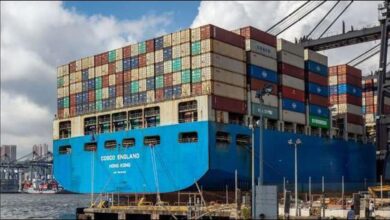
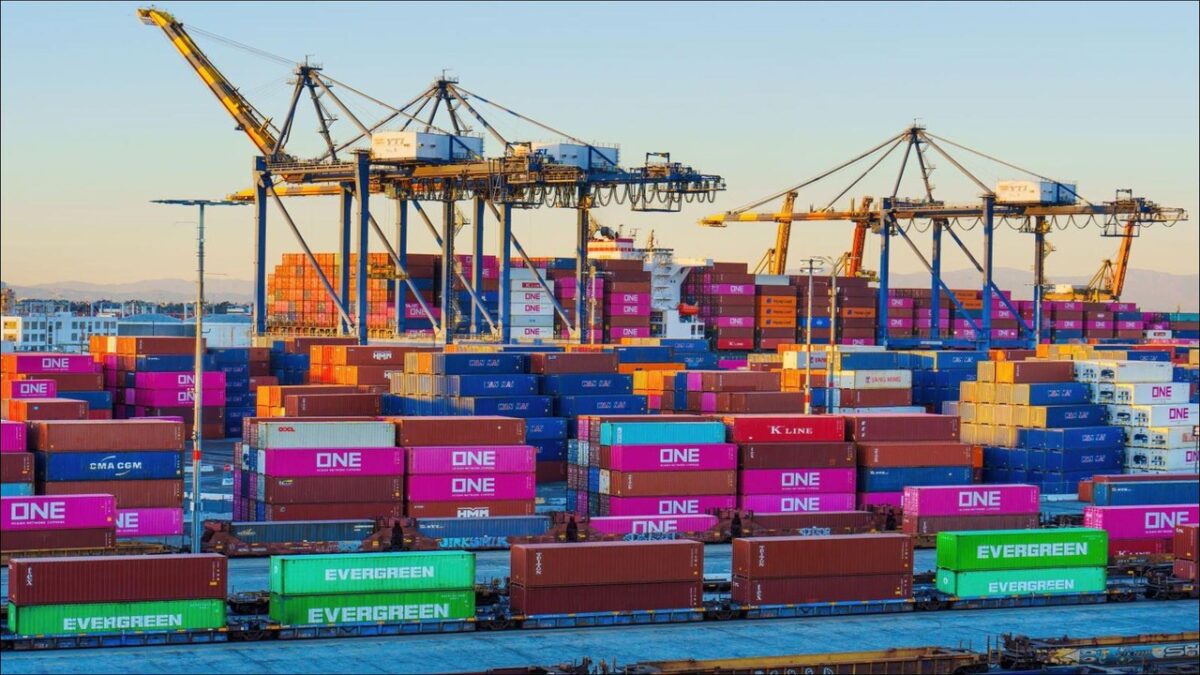
The vibrant and increasingly critical Asia-North America container shipping trade remains firmly under the robust command of Asian carriers. This lucrative Transpacific trade lane is a foundational pillar of global commerce, connecting the manufacturing powerhouses of Asia with the vast consumer markets of North America. Recent data underscores the undeniable influence and strategic positioning of key players such as Cosco Shipping Group, Ocean Network Express (ONE), and Evergreen Marine, which consistently deploy the largest fleets on this essential maritime corridor.
At the start of 2026, these maritime giants were at the forefront, showcasing a competitive landscape that, while dynamic, has solidified around established Asian leadership. The continuous monitoring of fleet deployments, shipping capacity, and strategic alliances provides crucial insights into the health and future direction of international trade. For businesses and stakeholders deeply invested in global logistics and the integrity of their supply chains, understanding this dominance is not merely academic—it is a strategic imperative.
The Unwavering Command of Asian Shipping Giants
Asian carriers have cultivated an unyielding command over the Transpacific container shipping route, a testament to their strategic investments, extensive networks, and deep understanding of regional trade dynamics. Firms like Cosco Shipping Group, ONE, and Evergreen Marine have systematically built formidable fleets and operational capabilities, positioning them as indispensable architects of global cargo movement. Their proximity to key manufacturing hubs in the Far East grants them unparalleled agility and insight into supply chain fluctuations, enabling rapid adaptation to market demands.
According to sector specialist Alphaliner, these major container lines continued to top fleet deployment figures on the Far East-North America route in January 2026. This sustained presence is a result of decades of strategic expansion, encompassing the development of mega-vessels, investment in state-of-the-art port infrastructure, and the cultivation of robust logistical ecosystems across Asia. Their operational excellence and efficiency play a pivotal role in ensuring the smooth flow of goods across the vast Pacific Ocean, underpinning the stability of global supply chains.
This strong foothold is not accidental but rather a reflection of deliberate long-term strategies. These carriers have optimized their services to cater specifically to the high-volume export demands from Asia, offering diverse routes, frequent sailings, and reliable transit times that are critical for just-in-time inventory management in North America. Their expertise in managing complex cargo flows across diverse regulatory environments further solidifies their competitive edge in the highly contested container shipping industry.
Dynamics of the Transpacific Container Shipping Route
The Transpacific container shipping route is arguably the world’s most vital artery for merchandise trade, serving as a critical conduit for countless goods ranging from electronics to apparel. In January 2026, this route saw approximately 532 ships in operation, collectively offering about 5.2 million TEU (Twenty-foot Equivalent Unit) of capacity. While this represents a robust operational scale, it also marked a 3.2% decrease in capacity year-on-year, indicating a period of recalibration within the maritime transport sector.
This dip in capacity can be attributed to a confluence of factors, including global economic slowdowns, adjustments in retailer inventory levels post-pandemic surges, and ongoing geopolitical considerations impacting trade flows. Despite these fluctuations, the fundamental competitive structure of the Transpacific trade has largely remained unchanged, with Asian carriers retaining their dominant positions. This resilience underscores the deeply entrenched nature of their market leadership and the immense capital required for new entrants to significantly challenge the status quo.
Understanding these capacity dynamics is crucial for shippers and logistics providers. A reduction in available TEU can influence freight rates, lead to potential service disruptions, or necessitate more strategic booking practices. Conversely, efficient capacity management by shipping lines is key to maintaining profitability in a capital-intensive industry. The balance between deployed capacity and actual demand is a delicate equilibrium that continually shapes the landscape of ocean freight, making the Transpacific route a prime indicator of global trade health.
The Strategic Chessboard of Shipping Alliances
In the complex world of container shipping, strategic alliances are pivotal in shaping market dynamics, allowing carriers to pool resources, optimize vessel utilization, and offer broader service networks. On the Transpacific container shipping route, three major alliances effectively control a significant portion of the total capacity, demonstrating a highly consolidated and integrated operational environment. These partnerships enable members to achieve economies of scale and enhance their global reach far beyond what individual carriers could accomplish alone.
Leading the charge is the OCEAN Alliance, a powerful consortium comprising CMA CGM, Cosco, and Evergreen. This alliance holds the largest share of capacity on the route, commanding an impressive 35.3%. Their combined strength allows for extensive service coverage, flexible scheduling, and the deployment of some of the industry’s largest vessels, making them a formidable force in the Asia-North America trade lane. The synergies created within the OCEAN Alliance contribute significantly to the efficiency and reliability of their collective services, offering shippers robust options for cargo movement.
Emerging as a significant new collaboration is the Gemini Cooperation, formed between shipping giants Maersk and Hapag-Lloyd. This new partnership accounts for approximately 884,500 TEU, or roughly 17% of the market. This capacity level is comparable to Maersk’s former 2M partnership, signaling a strategic realignment aimed at leveraging the strengths of both carriers for enhanced service offerings and operational efficiency across the Transpacific shipping trade. The Gemini Cooperation represents a forward-looking strategy to adapt to evolving market conditions and technological advancements.
Further solidifying the alliance structure is the Premier Alliance, grouping ONE, HMM, and Yang Ming. This trio collectively holds about 21.4% of the capacity, underscoring their substantial presence in the Asia-North America container shipping sector. Notably, ONE increased its deployed capacity by 10.3% year-on-year, a strategic expansion that helped offset reductions seen elsewhere in their broader network. This growth highlights ONE’s commitment to strengthening its position on this critical route and adapting its fleet deployment to meet specific market demands, reinforcing the competitive yet cooperative nature of modern maritime logistics.
Capacity Management and Market Adaptation
The capacity decisions made by container lines are critical indicators of market sentiment and future expectations. While alliances dominate, individual carrier strategies for capacity management and market adaptation also play a significant role. MSC, for instance, ranks fifth among operators on the Transpacific trade lane, holding about 10.3% market share. Notably, MSC has been actively raising its standalone Transpacific capacity, often operating independently of the major alliances, showcasing a distinct strategy to capture market share through direct service offerings.
This independent approach allows MSC greater flexibility in routing and scheduling, potentially appealing to shippers seeking alternatives to alliance services. The ability of carriers to adjust their deployed capacity is influenced by a myriad of factors, including global economic forecasts, consumer demand trends, port congestion levels, and the cost of bunker fuel. These operational decisions directly impact freight rates, service reliability, and ultimately, the profitability of ocean carriers.
Moreover, the introduction of new, larger vessels into service and the phasing out of older tonnage continually reshape the available capacity. Carriers must skillfully navigate these dynamics, balancing competitive pressures with the need for sustainable profitability. The container shipping industry remains highly susceptible to shifts in global trade patterns, making agile capacity management a core competency for maintaining market leadership and providing consistent service levels to customers on the Asia-North America shipping trade.
Future Outlook and Global Supply Chain Implications
The continued dominance of Asian carriers in the Asia-North America container shipping trade has profound implications for global supply chains and international commerce. This concentration of power suggests that the operational efficiencies, technological advancements, and strategic foresight of these maritime carriers will continue to shape the industry’s future. For importers and exporters, understanding the strategies of these key players and their alliances is essential for navigating the complexities of global freight transport.
Looking ahead, the container shipping industry faces evolving challenges and opportunities, including the imperative for decarbonization, accelerated digitalization, and the impact of geopolitical shifts on trade routes. These factors will likely influence future capacity decisions, alliance structures, and the overall competitive landscape. The resilience and adaptability demonstrated by Asian carriers to date suggest they are well-positioned to lead these transitions, potentially further solidifying their influence.
For businesses reliant on efficient and reliable Asia-North America trade lanes, monitoring these developments is critical. The strategic choices made by Cosco, ONE, Evergreen, and other major shipping lines will continue to dictate pricing, service availability, and the overall stability of international logistics. Their ongoing evolution will be a key determinant in how global supply chains respond to future disruptions and seize new opportunities.
In conclusion, the Asian carriers firmly hold the reins of the Asia-North America container shipping trade, a vital route underpinning global economic activity. Through strategic alliances and individual capacity management, these shipping giants – led by Cosco, ONE, and Evergreen – continue to dictate the rhythm of the Transpacific trade. For all stakeholders in the global supply chain, recognizing and adapting to this sustained dominance remains paramount for success in an ever-evolving maritime landscape.