

Apache North Sea platforms hit by continuing intermittent strikes
On-and-off strikes continue to disrupt Apache's North Sea platforms, creating production risks and logistical challenges for the offshore sector.
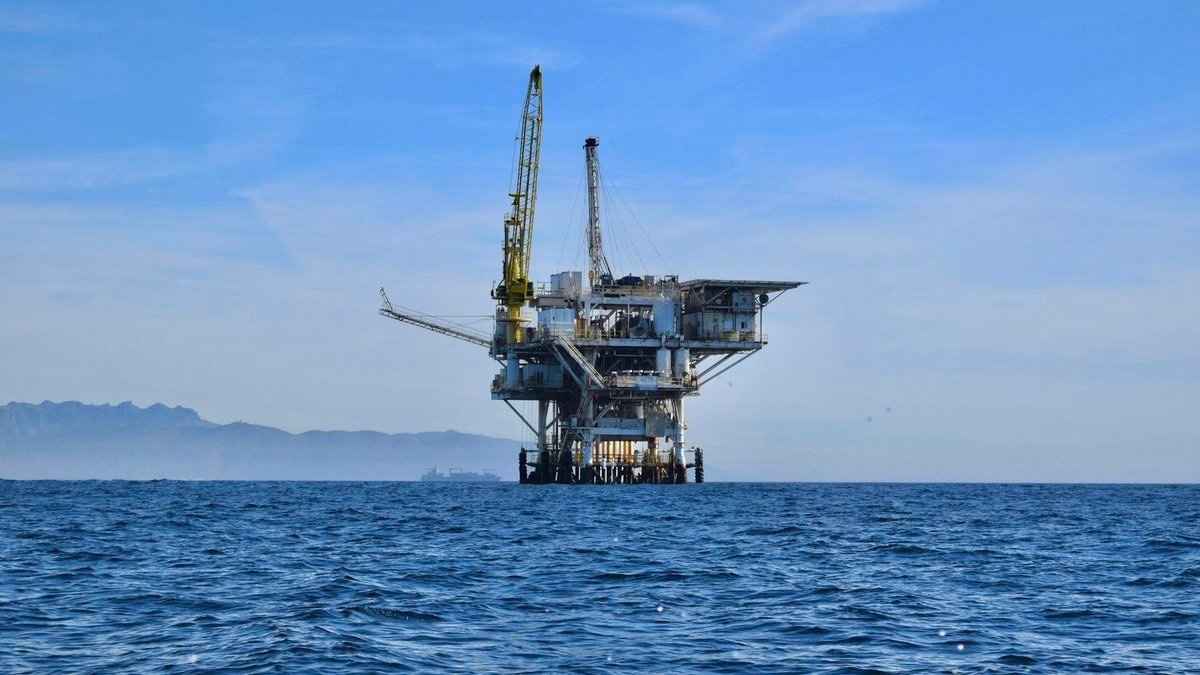
Apache’s North Sea operations face a prolonged schedule of on-and-off strikes. This industrial action threatens production stability and creates a cycle of operational uncertainty for the operator’s offshore assets. The persistent disruptions mean the company must manage its platforms around fluctuating staffing levels, impacting both output and routine maintenance.
The strikes are characterized by intermittent stoppages rather than a single continuous walkout. This strategy makes it harder to maintain steady technical operations and complete essential work programs. Apache has not yet reached a resolution with the workforce, and the continuation of the action points to a continuing dispute over operational changes.
Why it matters
For shipowners and charterers, the primary concern is the impact on North Sea crude production. Apache is an operator in the region, and on-and-off strikes create uncertainty for lifting schedules. If platforms are forced to shut in or reduce output during strike windows, it risks delaying tankers and complicating terminal logistics for North Sea grades. This unpredictability makes it harder for traders to manage supply commitments and vessel arrivals.
The move toward intermittent strikes is a tactical choice that maximizes operational disruption. Restarting production and stabilizing pressure after a stoppage requires precise technical coordination. Frequent interruptions increase the risk of equipment fatigue and operational errors, making the on-and-off nature of this action more operationally complex than a single, predictable shutdown. The risk is that the operator must choose between costly skeleton-crew operations or temporary production halts.
Offshore service providers must also contend with the fallout. Supply vessel schedules and crew change logistics rely on predictable windows. On-and-off strikes disrupt this cycle, likely leading to increased standby time and higher costs for the logistics chain supporting Apache’s platforms. For vessel owners, this means assets may be tied up in standby roles rather than being available for the spot market, potentially tightening vessel availability in the sector.
The dispute also shows the operational risks inherent in mature offshore basins. As infrastructure ages, it requires more consistent maintenance and monitoring. On-and-off strikes disrupt these essential activities, potentially increasing the risk of technical failures. For the broader North Sea market, the persistence of this action suggests that labor stability can no longer be taken for granted by those managing aging assets.
What to watch
The next concrete trigger is the announcement of further strike dates or a move toward a formal resolution between Apache and the workforce. Production data from the affected platforms will reveal the extent to which these intermittent stoppages are leading to actual output reductions.
Source: The Maritime Executive