Ammonia Bunkering Vessel Planned for Singapore | Mariner News
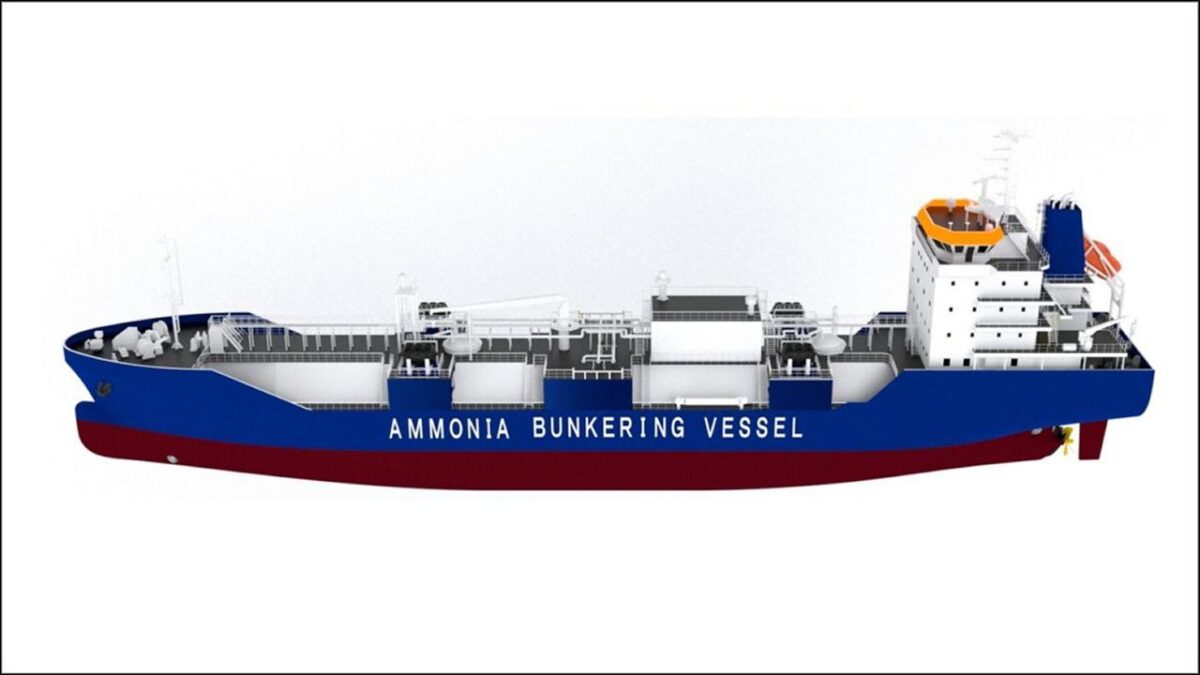
The global maritime industry is rapidly moving towards decarbonization, with ammonia emerging as a key alternative marine fuel. In a significant step for sustainable shipping, a powerful consortium — Sumitomo Corporation, Kawasaki Kisen Kaisha (“K” LINE), and NYK Bulkship (Asia) Pte — has announced plans for a front-end engineering design (FEED) study for a pioneering ammonia bunkering vessel for Singapore. This collaborative initiative is crucial for establishing the infrastructure needed for widespread ammonia adoption as a clean marine fuel. Singapore, already a premier global bunkering hub, is poised to lead the green maritime revolution with this innovative project. The commitment from these industry leaders highlights a collective understanding that achieving ambitious decarbonization targets requires bold investments in new technologies and robust supply chains for low-carbon fuels. This venture is set to be a beacon of progress, demonstrating how strategic partnerships can propel the sector towards a more environmentally responsible future.
Spearheading Ammonia Bunkering in Singapore
The collaboration between Sumitomo, “K” LINE, and NYK Bulkship (Asia) Pte focuses on a comprehensive FEED study for the proposed ammonia bunkering vessel. This critical phase will detail vessel design, specifying technical configurations for safe and efficient ammonia handling. It will also address stringent safety requirements, ensuring adherence to the highest international standards for hazardous cargo operations, and explore potential ownership structures for long-term operational viability. This undertaking aligns perfectly with Singapore’s national strategy to develop an ammonia value chain, spearheaded by the Maritime and Port Authority of Singapore (MPA) and the Energy Market Authority (EMA). These governmental bodies are actively fostering an ecosystem supporting the expanded use of ammonia for marine fuel and power generation, showcasing a holistic approach to national energy transition.
The formalization of this collaboration through a memorandum of understanding (MoU) highlights the strategic importance of the partnership. Sumitomo Corporation, part of a Keppel-led consortium appointed in 2025, will lead the FEED study, aiming for an ammonia bunkering demonstration in Singapore by 2027. This ambitious timeline positions Singapore as a global leader in piloting and implementing advanced decarbonization solutions. The city-state’s unparalleled connectivity and strategic location make it an ideal testbed and future operational hub for innovative ammonia fuel supply chains, setting a precedent for other global ports to follow in their pursuit of sustainable maritime practices.
Ammonia: A Promising Yet Challenging Marine Fuel
Ammonia (NH3) is increasingly recognized as a frontrunner among alternative marine fuels due to its compelling environmental benefits. When produced using renewable energy (green ammonia), it offers a near-zero carbon footprint during combustion, making it a powerful tool for maritime decarbonization. Its relatively high energy density per unit volume, compared to liquid hydrogen, offers logistical advantages for storage and transport. Existing global infrastructure for ammonia, primarily for agricultural and industrial uses, also provides a head start for scaling up its adoption in shipping. With ammonia engines becoming commercially available from leading manufacturers and shipowners ordering ammonia-ready vessels, the industry’s confidence in this fuel is growing.
However, significant challenges remain. Ammonia’s toxicity demands strict safety protocols, advanced containment systems, and rigorous crew training to mitigate risks during bunkering, storage, and engine operation. Concerns regarding potential nitrous oxide (N2O) emissions, a potent greenhouse gas, during ammonia combustion also require ongoing research and engine design improvements. Developing comprehensive ammonia bunkering infrastructure, like Singapore’s planned vessel, requires substantial investment and clear regulatory frameworks for specialized vessels, storage facilities, and safe transfer systems. Furthermore, the energy required for its synthesis means the entire lifecycle emissions of green ammonia must be carefully considered to ensure true sustainability, differentiating it from fossil fuel-derived alternatives.
Collaborative Drive Towards Sustainable Shipping
The multi-party collaboration between Sumitomo Corporation, “K” LINE, and NYK Bulkship (Asia) Pte exemplifies the collective action essential for navigating the complexities of maritime decarbonization. Each partner contributes distinct expertise: Sumitomo in infrastructure development and project coordination, “K” LINE in vessel operations and logistics, and NYK Bulkship (Asia) in bulk carrier management. Such cross-sectoral alliances are critical, as no single entity can unilaterally address the monumental challenges involved in transitioning to new marine fuels. This project underscores how shared vision and combined resources accelerate technological advancements and infrastructural build-out.
Crucially, governmental support from Singapore further strengthens this initiative. The grant received by Sumitomo last year specifically to advance ammonia bunkering signifies a strategic national commitment to fostering a sustainable maritime ecosystem. The proactive stance of the Maritime and Port Authority of Singapore (MPA) and the Energy Market Authority (EMA) in developing an ammonia value chain provides the necessary regulatory and enabling environment for such ambitious projects to thrive. This integrated approach, blending private sector innovation with robust public sector support, creates powerful synergy. The involvement of the Keppel-led consortium, of which Sumitomo is a part, highlights a broader, coordinated strategy to position Singapore as a global pioneer in green shipping solutions and a hub for alternative marine fuels, ensuring the feasibility and wider adoption of ammonia as a marine fuel.
Building Robust Ammonia Infrastructure and Safety
The successful development and deployment of an ammonia bunkering vessel in Singapore will establish a vital blueprint for future maritime infrastructure globally. A primary focus of the FEED study will be to meticulously address the inherent safety challenges associated with handling ammonia. This includes designing robust containment systems for the fuel, developing highly reliable transfer technologies to minimize leakage risks, and implementing comprehensive emergency response protocols. Extensive crew training will be paramount, ensuring all personnel involved in bunkering operations are thoroughly educated on ammonia’s properties, safe handling procedures, and emergency measures.
Compliance with evolving international codes and standards for the safe use of alternative fuels will be a central consideration, setting critical precedents for future regulatory frameworks. Beyond technical aspects, the project will also inform the development of necessary operational guidelines for ammonia bunkering at scale. Given ammonia’s toxicity, a new paradigm of safety management is required, extending from the design of bunkering terminals to the training of seafarers and port workers. Lessons learned from this pioneering Singaporean project will be invaluable for the entire global shipping industry, contributing significantly to best practices and the standardization of ammonia fuel infrastructure, paving the way for wider replication and ensuring a safe and efficient transition to alternative marine fuels.
Singapore’s Vision for a Green Maritime Future
Singapore’s proactive commitment to developing an ammonia bunkering vessel is a clear statement of its ambition to lead the global green maritime transition. As one of the world’s busiest ports and a strategic bunkering hub, its embrace of ammonia as a marine fuel sends a powerful signal to the international shipping community. This project is not merely about local infrastructure; it’s about establishing a scalable, replicable model for sustainable port operations worldwide. The long-term impact on global shipping routes and supply chains could be profound, influencing investment decisions and operational strategies across the industry.
By fostering innovation and collaboration between industry giants and government bodies, Singapore is effectively building a new standard for maritime sustainability. This comprehensive vision includes not only the bunkering of vessels but also the broader integration of ammonia into the energy mix, potentially for power generation, creating a resilient and future-proof energy infrastructure. This landmark initiative is critical for accelerating the maritime sector’s journey towards net-zero emissions, solidifying Singapore’s reputation as a vanguard of maritime decarbonization and a key enabler of a cleaner, more sustainable future for global shipping.
The ambitious plan by Sumitomo, “K” LINE, and NYK Bulkship (Asia) Pte to develop an ammonia bunkering vessel for Singapore marks a pivotal moment in the maritime industry’s journey towards deep decarbonization. This initiative transcends mere technological advancement; it signifies a strategic commitment from leading entities to build the foundational infrastructure required for a sustainable future. By addressing critical safety considerations, leveraging collaborative expertise, and operating within a supportive regulatory environment, this project is poised to unlock the significant potential of ammonia as a clean marine fuel. Singapore’s proactive embrace of this green technology firmly positions it as a vanguard in the global shift towards environmentally responsible shipping. The successful realization of this vision will not only transform the bunkering landscape in one of the world’s busiest ports but will also inspire and accelerate the adoption of similar green shipping solutions worldwide, charting a clear course for a cleaner, more sustainable maritime future.